
- There are three ways to sell a house in Connecticut: list it with an agent, sell it yourself, or sell it directly for cash. Each one trades price against time, work and certainty.
- Connecticut closings are handled by attorneys, whichever way you sell. Budget about $1,000 to $1,500 for yours (est.).
- The seller pays the conveyance tax: 1% of the price in most towns and 1.25% in sixteen cities, on homes up to $800,000.
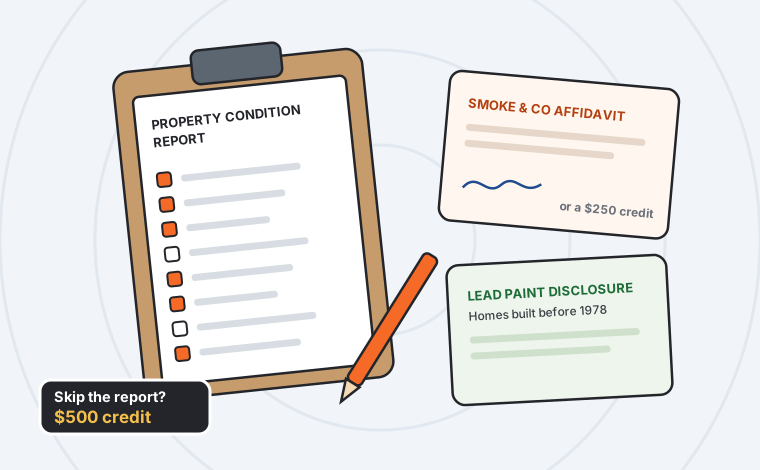
- Two forms carry a built-in penalty: skip the Property Condition Disclosure Report and you credit the buyer $500; skip the smoke and carbon monoxide affidavit and you credit $250.
- Property taxes are paid in arrears, so most sellers credit the buyer at closing instead of getting money back.
- A typical listing takes three to five months from getting ready to the closing table; a direct cash sale can close in about two weeks.
How do I sell my house in Connecticut?
To sell your house in Connecticut, choose one of three routes (a listing agent, selling it yourself, or a direct cash sale), estimate what you will net after the conveyance tax and other costs, prepare the house and the state disclosures, accept an offer, and close with a Connecticut real estate attorney. Most listed sales take three to five months; a cash sale can close in about two weeks.
Every guide that ranks for this question gives you the same seven generic steps. This one is written for Connecticut: the attorney closing, the conveyance tax your town charges, the forms with a penalty attached, taxes paid in arrears, and the old houses, oil tanks and foundations that shape what buyers will pay. Each step below links to a full guide on that topic, so you can go as deep as you need.
We buy houses for cash, so read this knowing that. When listing would leave you with more, this guide says so, and so will we.
Which way of selling a house in Connecticut fits you?
The way of selling a house in Connecticut that fits you depends on the house’s condition, your timeline and how much work you want to do. A listing agent usually gets the highest price for a ready house. Selling it yourself saves the listing commission if you have time and the house sells easily. A direct cash sale wins when repairs, a deadline, tenants, an estate or a foreclosure would eat the difference.
| On a $400,000 house in a 0.25% town (est.) | Listing agent | Sell it yourself | Direct cash sale |
|---|---|---|---|
| Sale price | $400,000 | $400,000 (if you price and negotiate as well) | Below retail; the buyer pays for repairs, risk and resale |
| Commission | About $21,000 (5.25%) | About $10,000 (buyer’s agent, 2.5%) + $400 flat-fee MLS | None |
| Conveyance tax (CGS 12-494) | $4,000 | $4,000 | 1% of the cash price |
| Seller’s attorney | $1,200 | $1,200 | $1,200 |
| Repairs and cleaning | Usually expected | Your choice | None |
| Months of carrying costs | 3 to 5 | 3 to 5 | About half a month |
| Showings | Many | Many, run by you | One walkthrough |
| Risk the deal falls through | Financing, appraisal, inspection | Financing, appraisal, inspection | Low |
| Best for | Ready houses, sellers with time | Ready houses, hands-on sellers | Repairs, deadlines, estates, tenants, foreclosure |
Still not sure which way to go? Two minutes with this self-check will tell you, honestly.
Is a cash sale right for you, or should you list?
Seven quick questions. There is no wrong answer, and we will tell you honestly if listing would leave you more.
- Does the house need repairs you would rather not pay for or manage?
- Do you need to close by a certain date, or within the next month or two?
- Would showings be hard: tenants, belongings, privacy, or you live out of state?
- Is there a complication: an estate or probate, a divorce, foreclosure, liens or back taxes?
- Could you comfortably cover the mortgage, taxes and utilities for three or more months?
- Is getting the highest possible price more important to you than speed and certainty?
- Would a buyer's bank lend on the house as it is (no major roof, foundation, oil tank or code issues)?
Deeper reading: how to sell a house without a realtor in Connecticut, and cash buyer vs. realtor in Connecticut, side by side.
What are the steps to sell a house in Connecticut?
The steps to sell a house in Connecticut are: pick your timing, estimate your net, decide what to fix, complete the disclosures, gather your documents, set the price and choose your route, accept an offer and sign an attorney-reviewed contract, get through inspection and appraisal, close with the attorneys, and handle the taxes afterwards.
Pick your timing
In Connecticut, more homes close in summer than in winter, at higher prices, because buyers start shopping in spring. If you are listing, getting the house on the market in spring usually helps. If you are selling for cash, or a deadline such as a Law Day, a probate schedule or a job move decides for you, the season matters far less. Read the best time to sell a house in Connecticut, with the state’s own monthly sales numbers.
Estimate what you will walk away with
Start from a realistic price, then subtract the commission, the conveyance tax, your attorney, your mortgage payoff, the property tax credit and the months you will carry the house. The calculator further down this page does it for your town. The full breakdown is in the cost of selling a house in Connecticut and the Connecticut conveyance tax by town.
Decide what to fix, credit or leave
Fix what a lender or an inspector will flag (leaks, broken heat, missing smoke and CO detectors, safety items) and what photographs badly. Skip big remodels; they rarely pay back. In Connecticut, know the status of your oil tank, septic, well and radon, and, in the north-central and eastern part of the state, your foundation. See what to fix before selling, the oil tank, septic, well and radon guide and selling with a crumbling foundation.
Complete the Connecticut disclosures
Fill in the Residential Property Condition Report before the buyer signs a contract (CGS 20-327b), and the federal lead paint disclosure for homes built before 1978. In towns on the crumbling-foundation list, the report’s foundation questions matter most; the separate Foundation Condition Report is only for foreclosure, deed-in-lieu and town sales there. Skipping the condition report costs you a $500 credit to the buyer (CGS 20-327c). Read the Connecticut property condition disclosure, explained.
Gather your documents
Your deed, mortgage statement, recent tax bills, any permits, warranties, surveys, septic and well reports, and for an estate the fiduciary certificate from the Probate Court. Having them ready speeds up the attorneys. See the documents you need to sell a house in Connecticut.
Set the price and choose your route
Price from closed sales of similar houses near you in the last three to six months. Each town page on this site shows that town’s median sale price and number of sales from state records. Then choose: an agent, selling it yourself through a flat-fee MLS listing, or a direct cash sale (the comparison above helps).
Accept an offer and sign an attorney-reviewed contract
Compare offers on what you will actually net and how likely they are to close: financing type, down payment, contingencies, closing date and any credits asked for. In Connecticut, attorneys draft or review the purchase contract. See how to compare offers on a house.
Get through inspection, appraisal and title
The buyer inspects (expect a repair or credit request), the lender appraises, and the buyer’s attorney searches title. Old mortgages that were paid but never released, unpaid sewer charges and estate signatures are common Connecticut fixes. This is where most deals wobble; why houses do not sell, and what to do covers the usual causes.
Close with the attorneys
At closing you sign the deed, the conveyance tax return (Form OP-236) and the smoke and carbon monoxide affidavit (or give a $250 credit, CGS 29-453). The tax year is prorated, the buyer reimburses you for heating oil left in the tank, your mortgage is paid off and the rest is wired to you. Read the Connecticut closing process for sellers.
Handle the taxes after the sale
The conveyance tax is paid at closing. On your main home, up to $250,000 of gain ($500,000 for a married couple) is usually excluded from federal tax; Connecticut taxes any taxable gain as income. Rentals and second homes are different. See taxes when selling a house in Connecticut.
Prefer one list to work from? The first-time home seller checklist for Connecticut puts every task in order, with boxes to tick.
How long does it take to sell a house in Connecticut?
Selling a house in Connecticut takes about three to five months from preparing the house to the closing table when you list it, with 30 to 45 days of that between a signed contract and the closing when the buyer has a mortgage. A direct cash sale can close in about two weeks, or on the date you choose.
Typical shapes, not promises. The full step-by-step clock for each route, and what slows Connecticut closings down (title problems, probate, mortgage commitments, appraisals), is in how long it takes to sell a house in Connecticut.
How much does it cost to sell a house in Connecticut?
Selling a house in Connecticut usually costs about 7% to 9% of the price with a listing agent: roughly 5% to 6% in commissions, 1% to 1.25% in conveyance tax on most homes, $1,000 to $1,500 for your attorney, plus the property tax credit and the months you carry the house. Selling it yourself cuts the listing commission; a cash sale removes commissions and repairs.
Use the calculator to see your own numbers, with your town’s conveyance tax rate.
How much would you walk away with?
Slide the numbers to match your house. It works in your browser; nothing is saved or sent.
Estimates for planning. Conveyance tax per CGS 12-494 (state 0.75% up to $800,000, 1.25% to $2.5M, 2.25% above, plus the town rate). Seller attorney about $1,200 to $1,500; flat-fee MLS about $400; listings include three months of taxes, insurance and utilities, a cash sale about two weeks. Your attorney gives you the final numbers.
Every line explained, with worked examples: seller closing costs in Connecticut and the conveyance tax by town.
What does Connecticut law require when you sell a house?
When you sell a house in Connecticut, the law requires the Residential Property Condition Report before the buyer signs (or a $500 credit), a smoke and carbon monoxide affidavit at closing for one- and two-family homes and condo units (or a $250 credit), the federal lead paint disclosure for homes built before 1978, the foundation condition report in listed towns, and payment of the conveyance tax before the deed is recorded.
| Requirement | When | Rule |
|---|---|---|
| Residential Property Condition Report | Before the buyer signs a contract | CGS 20-327b; $500 credit if not delivered (20-327c) |
| Lead-based paint disclosure | Before the contract, homes built before 1978 | Federal rule (EPA/HUD), with a 10-day testing window for the buyer |
| Residential Foundation Condition Report | Before the contract | Only for houses in crumbling-foundation towns sold after a foreclosure or deed in lieu, or by a town (CGS 20-327b(g)-(h)). Other owners there answer the foundation questions on the main report. |
| Smoke and carbon monoxide affidavit | Closing | CGS 29-453; $250 credit if not provided |
| Conveyance tax and Form OP-236 | Closing, before the deed is recorded | CGS 12-494 |
The details: the property condition disclosure, the documents you need and the closing process and your attorney.
How do you sell a house in Connecticut in a hard situation?
To sell a house in Connecticut in a hard situation (an inherited house in probate, a foreclosure with a Law Day, a divorce, tenants who will not leave, or a house that needs major repairs), start with the deadline and who has the authority to sign, then compare a listing with a direct sale. Each situation has its own Connecticut rules and its own guide.
Foreclosure
Strict foreclosure, Law Day and the Foreclosure Mediation Program.
Inherited house or probate
Who can sign, Probate Court approval and the probate fee lien.
Repairs, code or condition
As-is sales, oil tanks, crumbling foundations and code violations.
Selling a house in your Connecticut town
Selling a house in your Connecticut town depends on its conveyance tax rate, its prices and how fast its homes sell. Most towns charge a 0.25% town conveyance tax and sixteen cities charge 0.50%. Here is every town we cover, with its median sale price and number of sales from state records.
| Town | County | Town conveyance rate | Median sale price | Homes sold | Typical year built |
|---|---|---|---|---|---|
| Ansonia | New Haven | 0.25% | $390,000 | 185 | 1954 |
| Avon | Hartford | 0.25% | $515,000 | 298 | – |
| Beacon Falls | New Haven | 0.25% | $350,000 | 85 | 1973 |
| Berlin | Hartford | 0.25% | $410,000 | 255 | 1968 |
| Bethany | New Haven | 0.25% | $483,000 | 67 | 1971 |
| Bloomfield | Hartford | 0.50% | $340,000 | 263 | 1959 |
| Branford | New Haven | 0.25% | $363,000 | 411 | 1960 |
| Bridgeport | Fairfield | 0.50% | $374,500 | 1,166 | 1949 |
| Bristol | Hartford | 0.50% | $317,500 | 882 | 1962 |
| Canton | Hartford | 0.25% | $442,000 | 170 | 1972 |
| Cheshire | New Haven | 0.25% | $521,098 | 382 | 1972 |
| Cromwell | Middlesex | 0.25% | $350,000 | 244 | 1969 |
| Danbury | Fairfield | 0.25% | $443,000 | 959 | 1972 |
| Derby | New Haven | 0.25% | $329,990 | 157 | 1959 |
| East Granby | Hartford | 0.25% | $400,000 | 64 | – |
| East Hartford | Hartford | 0.50% | $282,750 | 614 | – |
| East Hartland | Hartford | 0.25% | $371,000 | 21 | 1974 |
| East Windsor | Hartford | 0.25% | $310,000 | 155 | 1963 |
| Easton | Fairfield | 0.25% | $900,000 | 105 | 1969 |
| Enfield | Hartford | 0.25% | $310,000 | 659 | 1960 |
| Essex | Middlesex | 0.25% | $591,500 | 118 | – |
| Fairfield | Fairfield | 0.25% | $879,500 | 812 | 1955 |
| Farmington | Hartford | 0.25% | $436,000 | 408 | 1977 |
| Glastonbury | Hartford | 0.25% | $540,000 | 477 | 1975 |
| Groton | New London | 0.25% | $347,500 | 462 | 1960 |
| Guilford | New Haven | 0.25% | $593,000 | 378 | 1975 |
| Haddam | Middlesex | 0.25% | $441,500 | 106 | 1972 |
| Hamden | New Haven | 0.50% | $339,950 | 810 | 1952 |
| Hartford | Hartford | 0.50% | $290,000 | 825 | – |
| Killingworth | Middlesex | 0.25% | $485,000 | 71 | 1983 |
| Ledyard | New London | 0.25% | $385,000 | 257 | 1970 |
| Madison | New Haven | 0.25% | $660,000 | 289 | 1973 |
| Manchester | Hartford | 0.25% | $315,000 | 724 | 1953 |
| Meriden | New Haven | 0.50% | $300,000 | 749 | – |
| Milford | New Haven | 0.25% | $450,000 | 780 | 1955 |
| Monroe | Fairfield | 0.25% | $525,000 | 274 | 1970 |
| Naugatuck | New Haven | 0.25% | $330,000 | 470 | 1969 |
| New Britain | Hartford | 0.50% | $300,000 | 768 | 1953 |
| New Haven | New Haven | 0.50% | $350,000 | 1,022 | 1930 |
| Newington | Hartford | 0.25% | $336,000 | 433 | 1965 |
| Newtown | Fairfield | 0.25% | $610,000 | 385 | 1974 |
| North Haven | New Haven | 0.25% | $439,500 | 244 | 1961 |
| Norwalk | Fairfield | 0.50% | $605,000 | 1,033 | 1955 |
| Norwich | New London | 0.50% | $261,000 | 712 | 1953 |
| Old Saybrook | Middlesex | 0.25% | $670,000 | 187 | 1961 |
| Orange | New Haven | 0.25% | $560,000 | 143 | 1960 |
| Oxford | New Haven | 0.25% | $540,000 | 156 | 1987 |
| Plainville | Hartford | 0.25% | $304,500 | 276 | 1964 |
| Putnam | Windham | 0.25% | $289,500 | 157 | – |
| Rocky Hill | Hartford | 0.25% | $350,000 | 233 | 1976 |
| Seymour | New Haven | 0.25% | $350,000 | 186 | 1966 |
| Shelton | Fairfield | 0.25% | $500,000 | 536 | 1976 |
| Simsbury | Hartford | 0.25% | $474,900 | 371 | 1969 |
| South Windsor | Hartford | 0.25% | $397,000 | 389 | 1969 |
| Southbury | New Haven | 0.25% | $367,000 | 475 | 1979 |
| Southington | Hartford | 0.50% | $382,000 | 631 | 1972 |
| Stamford | Fairfield | 0.35% / 0.50% | $699,000 | 1,493 | 1956 |
| Stratford | Fairfield | 0.25% | $435,000 | 699 | 1952 |
| Suffield | Hartford | 0.25% | $400,000 | 237 | 1977 |
| Trumbull | Fairfield | 0.25% | $620,000 | 407 | 1962 |
| Vernon | Tolland | 0.25% | $300,000 | 388 | 1961 |
| Wallingford | New Haven | 0.25% | $345,000 | 515 | 1963 |
| Waterbury | New Haven | 0.50% | $270,000 | 1,305 | 1955 |
| Waterford | New London | 0.25% | $389,052 | 296 | 1959 |
| West Hartford | Hartford | 0.25% | $485,100 | 831 | 1951 |
| Westbrook | Middlesex | 0.25% | $544,500 | 108 | 1969 |
| Westport | Fairfield | 0.25% | $1,900,000 | 448 | 1963 |
| Wethersfield | Hartford | 0.25% | $395,000 | 331 | 1957 |
| Windsor | Hartford | 0.25% | $340,000 | 393 | 1965 |
| Windsor Locks | Hartford | 0.25% | $300,000 | 227 | 1959 |
| Wolcott | New Haven | 0.25% | $357,000 | 224 | 1966 |
| Woodbridge | New Haven | 0.25% | $670,000 | 128 | 1964 |
How does selling your house for cash work with us?
Selling your house for cash with us works in three steps: tell us about the house (online, by photos or by phone), walk through it with us, and get a written cash offer with the math behind it, usually within 30 minutes of the walkthrough. If you accept, a Connecticut closing attorney handles the paperwork and you pick the closing date.
The full explanation of how we calculate an offer, with a real case study, is right below this guide: how our cash offer works, step by step.
Get your cash offer
without anyone coming over.
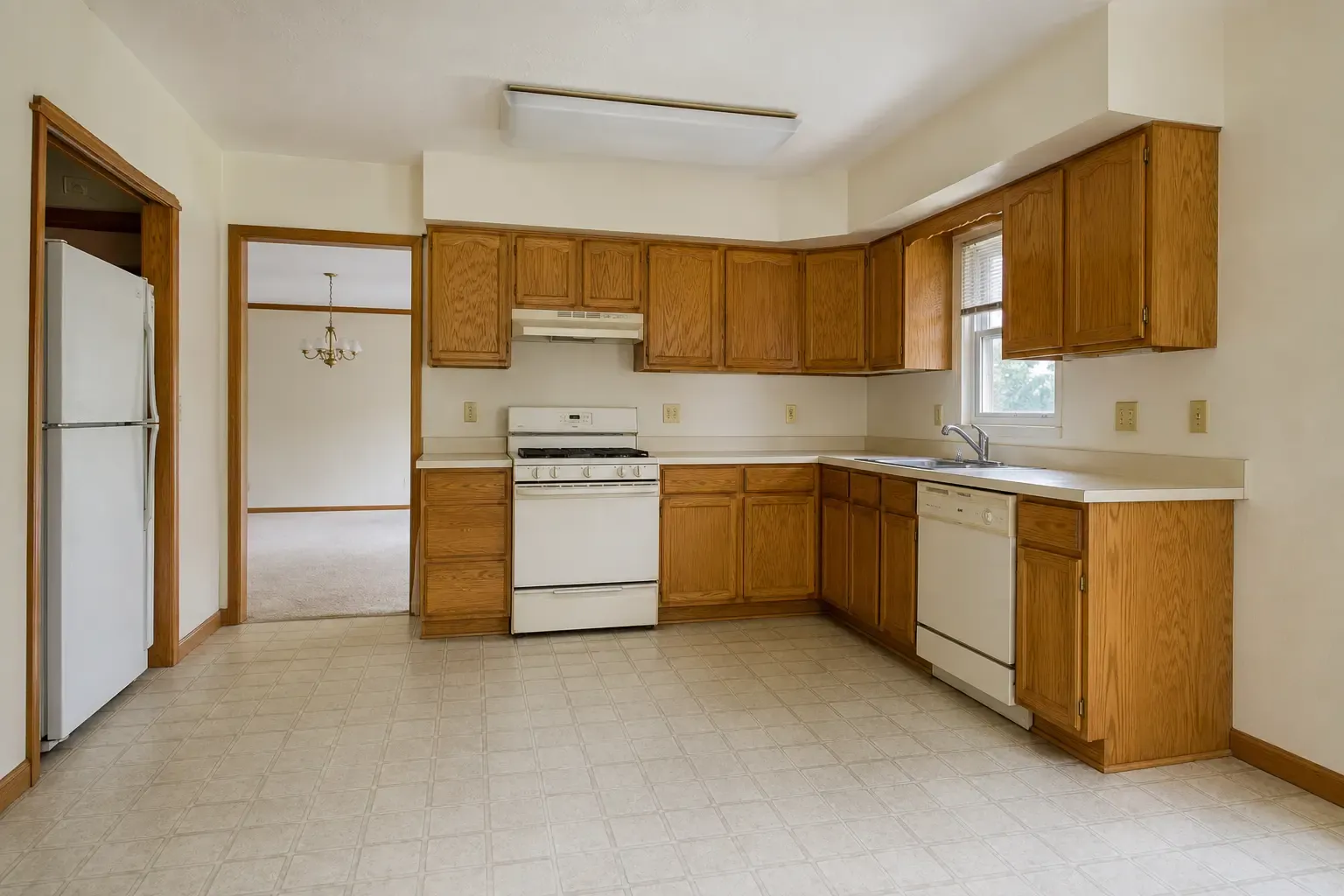
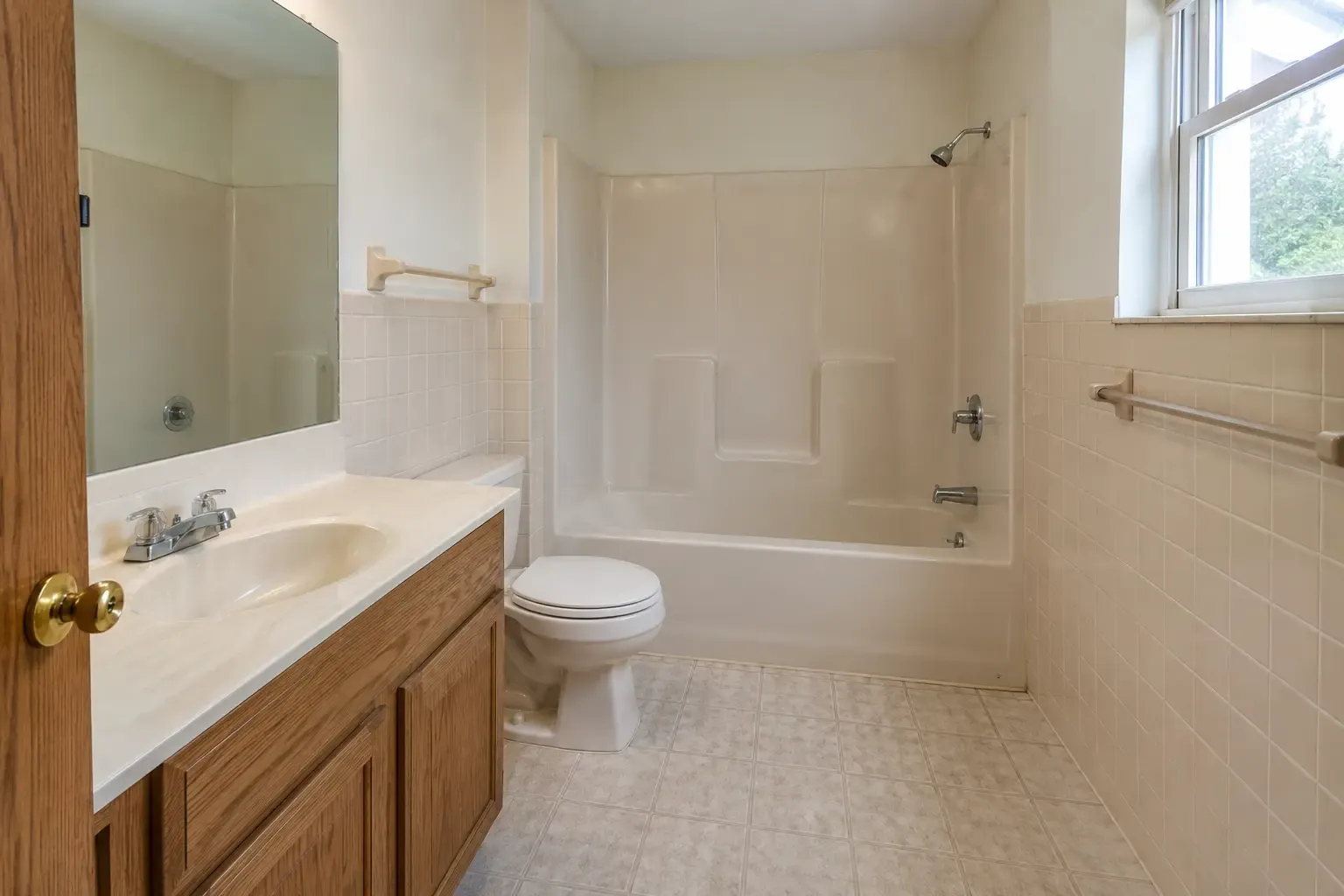
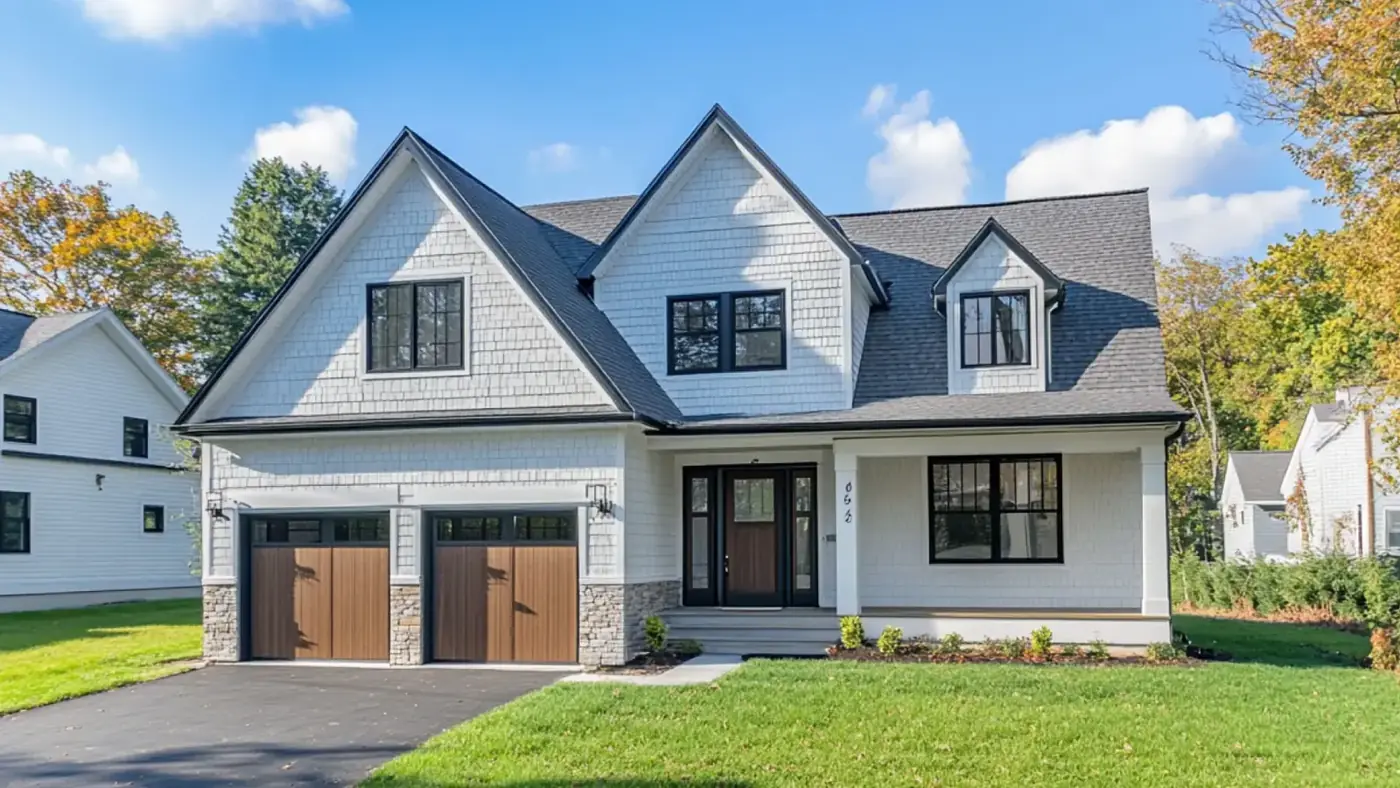
Want your offer faster, or rather not talk to anyone yet? Send a few phone photos of each room. We price the repairs from them, line by line, and send your cash offer back, so you see a real number before you ever meet us or pick up the phone.
 CabinetsFlooring
 Tub & tile
 Floors
 Roof
We may bring in a partner buyer to close. Your price and terms don't change.
Questions people ask about selling a house in Connecticut
How do I sell my house in Connecticut?
To sell your house in Connecticut, choose a route (a listing agent, selling it yourself or a direct cash sale), estimate your net after the conveyance tax and other costs, prepare the house and the state disclosures, accept an offer, and close with a Connecticut real estate attorney.
How long does it take to sell a house in Connecticut?
Selling a house in Connecticut usually takes three to five months from preparing the house to closing when you list it, including 30 to 45 days from contract to closing with a mortgage buyer. A direct cash sale can close in about two weeks.
How much does it cost to sell a house in Connecticut?
Selling a house in Connecticut usually costs about 7% to 9% of the price with a listing agent: commissions of roughly 5% to 6%, the 1% to 1.25% conveyance tax on most homes, $1,000 to $1,500 for your attorney, and carrying costs while the house is for sale.
Do I need a lawyer to sell my house in Connecticut?
Yes, in practice you need a lawyer to sell your house in Connecticut: closings are handled by attorneys, the buyer's lender requires one, and your attorney prepares the deed, the conveyance tax return and the payoff of your mortgage.
Who pays the conveyance tax in Connecticut?
In Connecticut the seller pays the conveyance tax, at closing, before the deed can be recorded: 0.75% to the state on homes up to $800,000 (more above that) plus 0.25% to the town, or 0.50% in sixteen cities including Hartford, New Haven, Bridgeport and Waterbury.
What do I have to disclose when I sell my house in Connecticut?
When you sell your house in Connecticut you disclose what you know about its condition on the Residential Property Condition Report (or credit the buyer $500), known lead paint for homes built before 1978, and, in listed towns, the foundation condition.
What is the best time to sell a house in Connecticut?
The best time to sell a house in Connecticut is usually spring, so it is on the market when the most buyers are looking; closings and prices peak in summer. If you sell for cash or face a deadline, the season matters much less.
Do I have to make repairs before selling my house in Connecticut?
No, you do not have to make repairs before selling your house in Connecticut. You must disclose known problems, and lenders may require some safety fixes for a mortgage buyer, but you can sell as-is, give the buyer a credit, or sell for cash.
Can I sell my house in Connecticut if I am behind on my mortgage?
Yes, you can sell your house in Connecticut if you are behind on your mortgage, as long as the sale closes before your Law Day in a strict foreclosure. Talk to your lender early and compare a listing with a direct cash sale.
Can I sell an inherited house in Connecticut before probate is finished?
Often you can sell an inherited house in Connecticut before probate is finished: the executor or administrator signs, sometimes with Probate Court approval, and the probate fee lien is cleared at closing.
Do I pay capital gains tax when I sell my house in Connecticut?
Usually you do not pay capital gains tax when you sell your main home in Connecticut: if you owned and lived in it for two of the last five years, up to $250,000 of gain ($500,000 for married couples) is excluded from federal tax. Connecticut taxes any taxable gain as income.
Is it better to sell my house for cash or list it?
Selling your house for cash is better when repairs, a deadline, tenants, an estate or a foreclosure would cost you more than the difference in price. Listing is usually better for a ready house when you have time. Compare your net with the calculator on this page.
Sources
- CGS chapter 223, § 12-494 (conveyance tax) and OLR Report 2020-R-0020.
- CGS § 20-327b and § 20-327c (property condition disclosure; $500 credit).
- CGS § 29-453 (smoke and carbon monoxide affidavit; $250 credit).
- EPA lead-based paint disclosure rule.
- IRS Publication 523 (home sale exclusion) and Connecticut Department of Revenue Services.
- Town sales, mill rates and housing data: Connecticut Office of Policy and Management, on data.ct.gov.
See the house together.
Pick a time that works.
Choose a time for us to walk through the property with you, or ask for a quick call first. We confirm every request personally.
Tuesday, January 13
No open times in the next few weeks. Please call us.
We will confirm by email. Nothing is booked until we do.
View my request
Who wrote this
Jerryll Noorden
Jerryll has bought and sold Connecticut houses since 2016 and has sat at more closing tables than he can count, on both sides. Before real estate he was a robotics scientist at NASA, IHMC and IIT. He wrote this guide because the national sites that rank for it skip the Connecticut rules that cost sellers money. When listing or selling it yourself would get you more than a cash offer, he says so.
This guide explains Connecticut rules in plain English. It is not legal or tax advice. Laws change; for your sale, talk to a Connecticut real estate attorney and a tax professional.
