
Connecticut seller's guide · Facts checked October 25, 2026
Cash Buyer vs. Realtor in Connecticut: Which Leaves You With More?
The honest Connecticut comparison: the same house sold both ways, what each route really costs you, the questions that hold most sellers back, and when listing is the better call.

Listing with a realtor usually gets you the higher price. Selling to a cash buyer usually gets you done faster, as-is and with certainty: no repairs, no showings, no commission and no buyer’s loan that can fall through. On a $300,000 Hartford house that needs $15,000 of work, listing nets about $15,000 more on paper, if it sells on time. The more repairs, deadlines or months of payments you face, the smaller that gap gets.
- Listing usually gets the higher price. Selling for cash usually gets you done faster, as-is and with certainty. Which one leaves you better off depends on the house, your deadline and what each month of waiting costs you.
- A cash offer is below full market value. Anyone who tells you otherwise is not being straight with you. The real question is the gap after repairs, commission, closing costs and the months you keep paying.
- On a $300,000 Hartford house that needs $15,000 of work, listing nets about $15,000 more on paper, if it sells on time and the buyer’s loan holds.
- Connecticut rules apply either way: an attorney closing, the conveyance tax, the disclosure report, and Law Day if you are in foreclosure.
- Check any cash buyer the same way: proof of funds, a Connecticut closing attorney holding the money, no upfront fees, and reviews with real names and towns.
If you are reading this, the house is already costing you
Most people do not search for “cash buyer vs realtor” on a quiet Sunday. They search because something changed. A parent passed and the house is full. The tenants stopped paying. The roof is leaking and the estimate made your stomach drop. Or you are simply tired: of the mortgage on a place nobody lives in, of the lawn, of the phone calls.
And you are stuck between two fears. The first is leaving money on the table: what if a cash buyer takes advantage of you? The second is months of showings, repairs and strangers walking through, with no guarantee it ever closes. Both fears are reasonable. This guide takes them one at a time, with Connecticut numbers, so you can decide with your eyes open.
I am Jerryll Noorden. My company buys houses for cash, so you might expect me to tell you cash always wins. It does not. Below is the same house worked out both ways, the honest trade-offs, and the cases where listing with an agent is the better call. If that is your situation, we will tell you.
The math: one Hartford house, sold two ways
Take a house that would sell for about $300,000 once it is fixed up, but needs around $15,000 of work first. Hartford charges a 0.50% town conveyance tax on top of the state’s 0.75%. Here is roughly what the owner walks away with each way.
Listing with an agent
about $252,000after 4 to 5 months, if the buyer’s loan closes
- $300,000 sale price
- −$16,500 agent commission (5.5%)
- −$15,000 repairs to get it market-ready
- −$4,500 seller credits and closing costs
- −$8,000 four months of mortgage, taxes, insurance and utilities
- −$3,750 conveyance tax (1.25%)
Selling to us for cash
about $237,000in about two weeks, on the date you pick
- $240,000 cash offer, as-is
- $0 commission
- $0 repairs, cleaning or staging
- $0 seller closing costs (we pay them)
- No extra months of payments
- −$3,000 conveyance tax (1.25%)
On paper, listing nets about $15,000 more. That $15,000 is the price of skipping the repairs, the showings, the four extra months of payments, and the risk that the buyer’s financing or appraisal falls through. If the house needs more work than this, if the market is slow, or if you are paying a mortgage on an empty house, that gap shrinks fast. If the house is in great shape and you have time, listing usually wins.
Illustration only. Every house and every market is different. When we make you an offer, we show you your own numbers in writing, line by line.
Run it with your own numbers
Put in your price, your repairs and your town. The calculator uses your town’s conveyance tax and shows what you would keep selling it yourself, with an agent, or to a cash buyer.
How much would you walk away with?
Slide the numbers to match your house. It works in your browser; nothing is saved or sent.
Estimates for planning. Conveyance tax per CGS 12-494 (state 0.75% up to $800,000, 1.25% to $2.5M, 2.25% above, plus the town rate). Seller attorney about $1,200 to $1,500; flat-fee MLS about $400; listings include three months of taxes, insurance and utilities, a cash sale about two weeks. Your attorney gives you the final numbers.
What this looks like for a real Connecticut seller
The situation below is a composite of cases we see often, not one specific customer. The numbers are typical, not a promise.
Picture a two-family in Hartford’s South End. It was Mom’s house. A tenant lives downstairs, the upstairs unit has been empty since she moved to assisted living, and the roof is at the end of its life. The owner, her son, lives in North Carolina and has flown up three times this year. Every month he pays the mortgage, the taxes and the heat on a unit nobody lives in.
An agent tells him the house could sell for $340,000 after a new roof, a paint job and a cleaned-out upstairs. That is roughly $30,000 of work, managed from 700 miles away, then a listing, showings around a tenant’s schedule, and a buyer who needs an FHA loan and an appraisal. Realistic timeline: six months, if nothing goes wrong.
A cash buyer offers less, with the tenant staying in place, nothing to fix or clean, and a closing by mail through his Connecticut attorney. When he lays the two offers side by side, after the repairs, the commission, six months of carrying costs and three more flights, the difference is much smaller than the two price tags suggest. He takes the certain number and gets his weekends back.
Another owner, with the same house but the time, the money and a contractor she trusts, should list it. That is the honest answer, and it is why we show the math first.
“My aunt needed money for medical expenses and the house was an absolute wreck! They came along, and the house was sold. Got the money I needed. Every time I think about it I want to hug you!”
Cindy, Meriden, CT (Google review)
The questions that stop most people, answered straight
“Will a cash buyer lowball me?”
A cash offer is lower than the full market price of a fixed-up house. That is how it works: the buyer takes on the repairs, the holding costs, the risk and the resale. What you should never accept is a number you cannot check. Ask for the math: the after-repair value, the repair list, the costs and the margin. If a buyer will not show you how they got there, walk away. We put every line in writing so you can compare it with a listing or another buyer’s offer.
“How do I know this is not a scam?”
Connecticut has honest cash buyers and some you should avoid. Check any of them, including us, against this list:
- Proof of funds before you sign anything
- A Connecticut closing attorney holds the money and records the deed, never the buyer
- No upfront fees, no “application” charges
- A written offer with the math shown, not just a number on the phone
- Reviews from real sellers, with names and towns, that you can find on Google
- A registered Connecticut business you can look up
- No pressure to sign the same day
We welcome every one of these checks. See our Connecticut registration and paperwork, read our reviews, or read the full guide on how to check a cash home buyer in Connecticut.
“Am I leaving money on the table?”
Sometimes, yes. If the house is updated, priced right and you can wait, listing will usually put more in your pocket. Use this to decide:
Sell for cash if…
- The house needs repairs you cannot or do not want to pay for
- You face a deadline: a Law Day, probate, a move or a divorce
- You inherited the house and live out of state
- There are tenants, or the house is full of belongings
- You are paying a mortgage on a house nobody lives in
- You value certainty and a date you pick over the last dollar
List with an agent if…
- The house is updated and in good condition
- You have several months and no deadline
- You can keep it clean and ready for showings
- Getting the highest possible price matters most
- The buyers in your area can easily get a mortgage for it
“What about the tenants, the furniture, the mess?”
With a listing, the house usually has to be empty or show-ready, and tenants have rights that can slow everything down. A cash buyer can take the house as it stands: tenants in place, leases and deposits handled at closing, and anything you leave behind dealt with after you hand over the keys. Take what matters to you and leave the rest.
“What if I am behind on payments?”
Then the clock matters more than the price. Most Connecticut foreclosures are strict foreclosures: if the loan is not paid off by Law Day, the house goes to the lender and your equity is gone. A listing that takes five months may not beat that date; a cash sale usually can. If you live in the house, you can also ask the court for free foreclosure mediation. Read selling before foreclosure in Connecticut.
“Will I be pressured into a decision?”
Not by us. You get the offer in writing and you take as long as you need. Nobody follows up unless you ask us to. Compare it with a listing, show it to your attorney or your family, or put it in a drawer. A no is always an OK answer.
What is the same either way in Connecticut
- Conveyance tax. The seller pays it at closing: a state portion of 0.75% on homes up to $800,000 (higher above that), plus a town portion of 0.25%, or 0.50% in Hartford, New Haven, Bridgeport and 13 other towns. You pay it whether you list or sell for cash.
- Attorney closings. Connecticut closings are handled by attorneys, who run the title search, pay off the mortgage and liens, and record the deed. Selling for cash does not skip this; it protects you.
- Property condition disclosure. Connecticut sellers normally give the buyer a Residential Property Condition Report, or credit the buyer $500 at closing if they do not. Many cash buyers, including us, accept the house as-is.
- Foreclosure and Law Day. In a strict foreclosure, the debt has to be paid by Law Day or the lender takes the title. A cash sale can usually close in time; a listing often cannot.
- Probate. An executor or administrator can sell once the Probate Court has appointed them. A cash buyer can sign while court approval is pending and close once the court allows it.
More detail: the Connecticut conveyance tax, the Connecticut closing process and closing costs in Connecticut.
Not sure yet? Two ways to decide without committing
If you want a real number without anyone coming over, send a few phone photos of each room. We price the repairs from them and send your cash offer back, in writing.
Get your cash offer
without anyone coming over.
Want your offer faster, or rather not talk to anyone yet? Send a few phone photos of each room. We price the repairs from them, line by line, and send your cash offer back, so you see a real number before you ever meet us or pick up the phone.
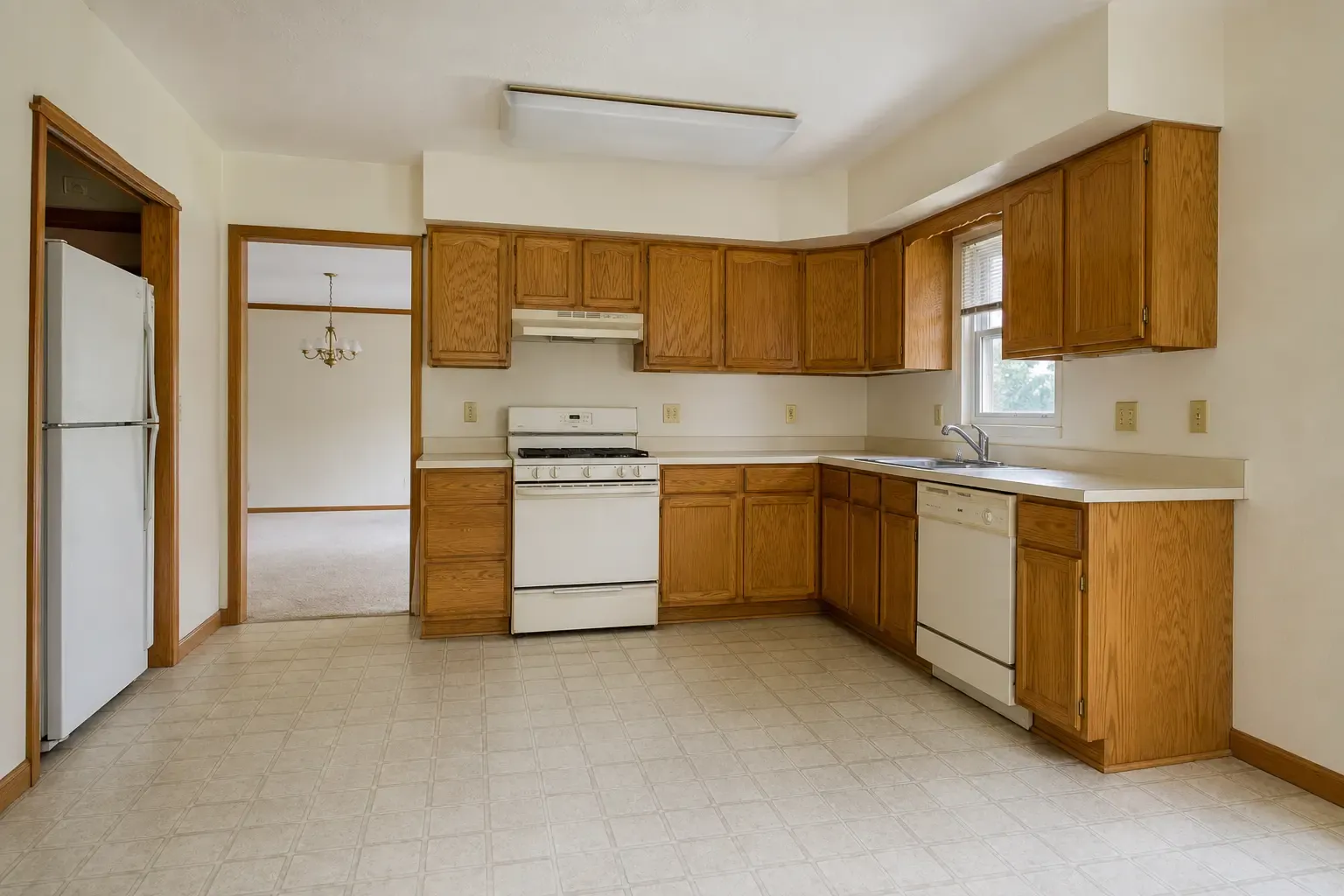 CabinetsFlooring
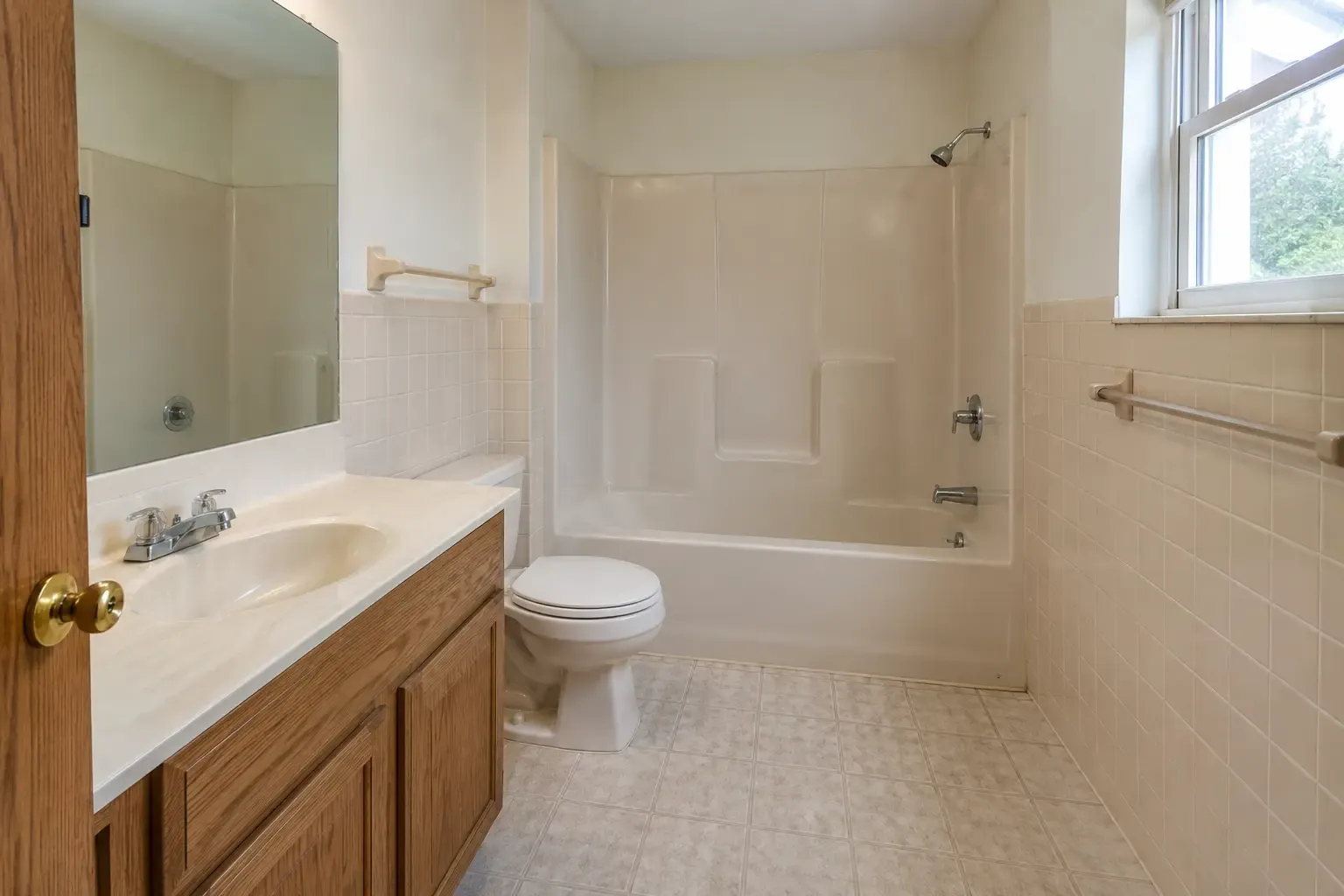 Tub & tile
 Floors
 Roof
We may bring in a partner buyer to close. Your price and terms don't change.
If you are not ready to sell at all, get your free Home Forecast: your likely sale price, how long a listing would take, and what you would keep each way.
Know where you stand,
on your own time.
Watch what homes around you sell for and how fast, so when you are ready, you already know your options.
Follow your numbers as the market moves, and decide when the timing is right.
Cash buyer vs. realtor: common questions
Is it better to sell my house for cash or with a realtor?
It depends on the house and your timeline. Listing with a realtor usually gets a higher price for a house in good shape when you can wait several months. Selling for cash is usually better when the house needs repairs, you face a deadline, or every month of waiting costs you money.
How much less do cash buyers pay?
Cash offers are below the full market value of a fixed-up house, because the buyer pays for the repairs, the holding costs and the resale. The gap that matters is what you keep after commission, repairs, closing costs and months of payments, which is often much smaller than the difference in price.
Do I pay a commission when I sell to a cash buyer?
No. When you sell directly to a cash buyer there is no agent and no commission. You still pay the Connecticut conveyance tax, and your own attorney if you hire one; we pay the normal closing costs.
How long does it take to sell a house to a cash buyer in Connecticut?
Usually about two weeks, through a Connecticut closing attorney, or later on the date you pick. A listing typically takes several months from listing to closing.
Can I get a cash offer and still list my house?
Yes. Many owners get a written cash offer first, then compare it with what an agent expects. There is no obligation to accept it.
Is it safe to sell my house for cash?
Yes, if you check the buyer: proof of funds, a Connecticut closing attorney holding the money and recording the deed, no upfront fees, and reviews from real sellers with names and towns.
Do I have to fix or clean the house before selling for cash?
No. A cash buyer buys the house as it stands. You take what you want and leave the rest.
Can I sell for cash if I am in foreclosure in Connecticut?
Yes, any time before Law Day. The sale pays the lender off at closing, and whatever equity is left is yours.
Sources
- Connecticut General Statutes, chapter 223, § 12-494 (real estate conveyance tax).
- CGS § 20-327b (Uniform Property Condition Disclosure Act; $500 credit).
- Connecticut Judicial Branch: Foreclosure Mediation Program.
- Connecticut Probate Courts.
Who wrote this
Jerryll Noorden
Jerryll has bought and sold Connecticut houses since 2016 and has sat at more closing tables than he can count, on both sides. Before real estate he was a robotics scientist at NASA, IHMC and IIT. He wrote this guide because the national sites that rank for it skip the Connecticut rules that cost sellers money. When listing or selling it yourself would get you more than a cash offer, he says so.
This guide explains Connecticut rules in plain English. It is not legal or tax advice. Laws change; for your sale, talk to a Connecticut real estate attorney and a tax professional.
