
- Yes, it is legal to sell a Connecticut house without a real estate agent. About 5% of U.S. homes sell this way (NAR 2025).
- Connecticut is an attorney state. You can skip the agent, but you still want a Connecticut real estate attorney for the contract and the closing.
- You save the listing commission, not every commission. Most buyers still have an agent, and you will usually offer that agent a fee.
- Some costs never go away: the conveyance tax (1% to 1.25% on most homes, more in some cities), your attorney, and prorated property taxes.
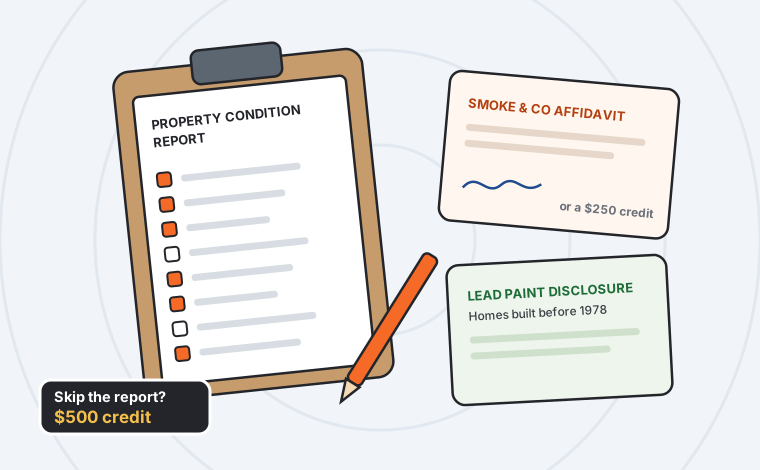
- Three state rules trip up owners: the Property Condition Disclosure Report (or a $500 credit), the smoke and carbon monoxide affidavit (or a $250 credit), and the lead paint disclosure for homes built before 1978.
- Selling by owner works best for a move-in-ready house, in a busy market, with an owner who has time. If the house needs work or time is short, a flat-fee listing, an agent or a cash buyer can leave you with more.
Can you sell a house without a realtor in Connecticut?
Yes, you can sell a house without a realtor in Connecticut. No Connecticut law requires a real estate agent: you can price, market, show and negotiate the sale yourself. What Connecticut does expect is a real estate attorney at the closing, the state’s property condition disclosure, and a few signed statements that national FSBO guides rarely mention.
Selling a house yourself is called a sale “by owner”, or FSBO (for sale by owner). It has become rare: in the National Association of Realtors’ 2025 profile of buyers and sellers, about 5% of U.S. homes sold by owner, the lowest share on record, and 91% of sellers used an agent. In the early 1980s the by-owner share was around one in five sales.
That does not mean it cannot work. It means most owners decide the savings are not worth the work or the risk. The rest of this guide gives you the honest numbers for Connecticut so you can decide for yourself, and walks you through every step if you go ahead.
Why Connecticut is different from most “how to sell by owner” guides
Most guides that rank for this question are national templates with the state name added. They skip the Connecticut parts that cost owners money:
- Attorney closings. In Connecticut, real estate closings are run by attorneys, and in practice the buyer and the seller each have their own. The buyer’s lender will not fund without one. That is a cost, but it is also your safety net when you have no agent.
- The conveyance tax. Connecticut charges the seller a state and town tax on the sale price, paid before the deed can be recorded (CGS 12-494). On a typical house that is several thousand dollars, agent or no agent.
- Required disclosures with built-in penalties. Skip the Property Condition Disclosure Report and you owe the buyer a $500 credit (CGS 20-327c). Skip the smoke and carbon monoxide affidavit and you owe a $250 credit (CGS 29-453).
- Property taxes paid in arrears. Connecticut towns bill after the fact, so at closing the seller usually credits the buyer for taxes the seller has not paid yet. Owners who expect a refund are often surprised by a charge instead.
- Housing stock. Many Connecticut houses are old: in towns like Hartford, New Haven and Waterbury, most single-family homes were built before 1960. Old oil tanks, septic systems, lead paint and, in the north-central and eastern part of the state, crumbling concrete foundations all come up in inspections and disclosures.
What national guides get wrong about Connecticut
Most pages that rank for this question are one nationwide template with the state name swapped in. Below are sentences quoted word for word from national “sell by owner in Connecticut” guides that ranked on Google when we checked them on October 24, 2026, each followed by what Connecticut law actually says. We do not name the sites; the point is the facts, not the publishers.
| What a national guide says (quoted) | What is true in Connecticut |
|---|---|
You’ll meet with a closing agent virtually or at a title or escrow company office. | Connecticut has no escrow-company closings. A Connecticut attorney must conduct the closing (CGS 51-88a, as amended by Public Act 19-88). |
Most FSBO sellers opt for a title company to manage the paperwork, handle funds, and file documents with the relevant government agencies. | In Connecticut the closing, the funds and the recording are handled by attorneys. Title insurance is issued through attorney agents, but the title company does not run your closing. |
The title company will record the new deed with the county clerk. | Connecticut abolished county government in 1960, so there is no county clerk. Deeds are recorded on the land records of the town clerk where the house is. |
Visit the Connecticut Department of Revenue Services for tax records, property surveys, and deeds. | DRS keeps none of these. Deeds and recorded surveys are at your town clerk, assessments at the town assessor, tax bills at the tax collector. DRS only receives the conveyance tax return (Form OP-236). |
…an affidavit proving you aren’t a foreign citizen and, therefore, exempt from certain property sales taxes. | The non-foreign affidavit is the federal FIRPTA certificate. It is about federal income tax withholding when the seller is a foreign person (not citizen), and it has nothing to do with sales or conveyance taxes. |
City or county disclosures. | There are no county disclosures in Connecticut. The seller’s disclosure duties come from state law (the Residential Property Condition Report, CGS 20-327b) and federal law (lead paint for homes built before 1978). |
Sellers usually cover their own closing costs in Connecticut, like escrow fees, HOA, etc. | The seller’s biggest Connecticut closing cost after commission is the conveyance tax: 0.75% state plus 0.25% or 0.50% town on most homes (CGS 12-494). There are no escrow fees at an attorney closing. |
Fill out the seller’s disclosure form for Connecticut to comply with state laws. | True, and the cost of skipping it is specific: a $500 credit to the buyer at closing (CGS 20-327c). Skipping the smoke and carbon monoxide affidavit costs another $250 (CGS 29-453). |
Should you sell your house without a realtor?
You should sell your house without a realtor in Connecticut if the house is ready to show, your price is in line with recent sales near you, you have a few months, you have time to answer calls and run showings, and you are comfortable negotiating with a buyer’s agent. If any of those is missing, a flat-fee listing, a full-service agent or a direct cash sale usually leaves you better off.
Selling by owner fits if…
- The house is clean, updated and easy to finance
- Similar houses near you sell quickly
- You have three months or more
- You can take calls and run showings yourself
- You have sold a house before, or you already have a buyer (a neighbor, a tenant, family)
- You will hire a Connecticut attorney
Think twice if…
- The house needs major repairs, or has an oil tank, septic or foundation issue
- You need to close by a date (a job move, Law Day, a probate deadline)
- You live out of state or work long hours
- You are selling during a divorce or with family who disagree
- There are tenants in the house
- Negotiating with an agent sounds stressful
Is selling by owner right for you?
- Is the house ready to show without repairs?
- Have similar houses near you sold within about two months?
- Can you wait three months or more to close?
- Can you take calls and run showings yourself?
- Are you comfortable negotiating with a buyer’s agent?
- Is the house free of tenants, probate, divorce or foreclosure issues?
What do you really save by selling without a realtor in Connecticut?
Selling without a realtor in Connecticut saves you the listing agent’s share of the commission, usually about 2.5% to 3% of the price, minus a few hundred dollars for a flat-fee listing. You still pay the conveyance tax, your attorney and, in most sales, the buyer’s agent. On a $350,000 house, selling without a realtor saves roughly $8,000 to $10,000 before you count your time, your negotiating and any difference in the sale price.
How commissions work in Connecticut after the 2024 NAR settlement
Commissions have always been negotiable. Since the National Association of Realtors settlement took effect on August 17, 2024, two things changed: offers of pay to the buyer’s agent can no longer be posted on the MLS, and buyers must sign a written agreement with their own agent before touring homes. Buyers’ agents still expect to be paid. Their buyer pays them, or, much more often, the buyer asks the seller to cover the fee in the offer.
So when you sell by owner you save the listing side. Whether you also save the buyer’s side depends on who walks in. A buyer without an agent saves you both sides. A buyer with an agent (most of them) will usually ask you to pay their agent, often 2% to 2.5% of the price.
The costs that stay the same with or without an agent
| Cost | Who pays in Connecticut | Typical amount |
|---|---|---|
| State conveyance tax | Seller | 0.75% of the price up to $800,000; 1.25% from $800,000 to $2.5 million; 2.25% above $2.5 million |
| Town conveyance tax | Seller | 0.25% in most towns; 0.50% in 16 cities including Hartford, New Haven, Bridgeport and Waterbury; Stamford has its own rates |
| Seller’s attorney | Seller | About $1,000 to $1,500 for a straightforward sale (est.) |
| Mortgage payoff and release | Seller | Your loan balance plus interest to the payoff date |
| Prorated property taxes | Usually a seller credit to the buyer | Taxes for the time you owned the house that have not been billed or paid yet |
| Oil left in the tank | Buyer pays the seller | The value of the heating oil left in the tank at closing, a Connecticut custom |
| Buyer’s agent fee | Negotiable; usually the seller | Often 2% to 2.5% (est.) |
A worked example: a $350,000 house in Hartford County
Say your house sells for $350,000 in a town with the standard 0.25% town rate, and the buyer’s agent asks for 2.5%.
Sell it yourself
$8,750buyer’s agent (2.5%)
- $3,500 conveyance tax
- $1,200 attorney (est.)
- $400 flat-fee MLS (est.)
With a listing agent
$18,375both agents (5.25%)
- $3,500 conveyance tax
- $1,200 attorney (est.)
- no MLS fee
The difference
about $9,200saved by selling yourself, if you sell for the same price in the same time.
- That “if” is the whole question.
That last line matters. National data has long shown by-owner homes selling for less on average than agent-listed homes, partly because they tend to be cheaper homes to begin with and partly because of pricing and negotiating mistakes. You do not have to be average, but you should price your time and your risk into the decision. Use the calculator to run your own numbers.
Where the money goes on a $350,000 sale
Same house, three routes. The green part is what you keep before paying off your mortgage. Carrying costs are three months of property tax, insurance and utilities while a listing is on the market (est.).
The listing routes assume the house is ready to show. If it needs work first, the repairs come out of the listing numbers too; the cash route skips them. The example cash offer is illustrative, not a quote.
How much would you walk away with?
Slide the numbers to match your house. It works in your browser; nothing is saved or sent.
Estimates for planning. Conveyance tax per CGS 12-494 (state 0.75% up to $800,000, 1.25% to $2.5M, 2.25% above, plus the town rate). Seller attorney about $1,200 to $1,500; flat-fee MLS about $400; listings include three months of taxes, insurance and utilities, a cash sale about two weeks. Your attorney gives you the final numbers.
How to sell a house by owner in Connecticut: the 10 steps
To sell a house by owner in Connecticut, follow these 10 steps: check your title and mortgage payoff, hire a Connecticut real estate attorney, price the house from recent sales, fix only what buyers will pay for, complete the state disclosures, list it with good photos (ideally on the MLS through a flat-fee service), show it safely, screen offers for financing, sign a contract your attorney writes, and close with both attorneys.
Check what you owe and what you own
Ask your lender for a payoff estimate and look up your deed at the town clerk. Make sure everyone on the title can sign: a spouse, a co-owner, or the estate of a parent who died. If the house is in probate, the executor sells it, often with court approval (see our guide to selling an inherited house in Connecticut). If you owe more than the house will sell for, talk to your lender before you list.
Hire a Connecticut real estate attorney now, not at the end
Without an agent, your attorney is your only professional on the deal. Hire one before you take offers. They draft or review the contract, order the payoff, fix title problems, prepare the deed and conveyance tax forms, and run the closing. Ask for a flat fee in writing. The Connecticut Bar Association runs a lawyer referral service if you do not have one.
Set the price from real Connecticut sales
Pull sales from the last 3 to 6 months within about a mile of your house, with similar size, age, bedrooms and condition. Public sales are on the state’s open data portal and on Zillow and Redfin. A pre-listing appraisal costs a few hundred dollars and gives you a defensible number. We cover pricing in detail below.
Fix what buyers will pay for, and nothing else
Clean, declutter and repair anything that would scare a lender or an inspector: active leaks, broken heat, exposed wiring, missing smoke and CO detectors. Skip big remodels; they rarely pay back. In Connecticut, know the status of your oil tank (above or below ground), septic and well before buyers ask. See what repairs cost and which ones pay back.
Complete the Connecticut disclosures
Fill in the Residential Property Condition Report from the Department of Consumer Protection (revised July 2025, now with a flood section) and the federal lead paint disclosure if the house was built before 1978. If your town is on the state’s crumbling-foundation list, answer the report’s foundation questions carefully; the separate Residential Foundation Condition Report is only for houses there sold after a foreclosure or deed in lieu, or by a town. Prepare the smoke and carbon monoxide affidavit for closing. Every form is in the paperwork section.
Take great photos and write an honest listing
Shoot on a bright day with lights on, from corners, at chest height. Include every room, the yard, the street, and the mechanicals buyers ask about (heating system, electrical panel, water heater). List facts buyers filter by: bedrooms, baths, square feet, lot size, year built, heating fuel, taxes, sewer or septic, and the school district.
Get on the MLS and the big portals
Most Connecticut buyers and their agents search SmartMLS, the state’s main multiple listing service, and the sites it feeds, such as Zillow, Realtor.com and Redfin. You cannot join the MLS yourself, but a flat-fee MLS company will enter your listing for a few hundred dollars. Add a yard sign and a simple one-page flyer.
Show the house safely
Ask for the buyer’s name and a pre-approval letter before a private showing, keep valuables and medications out of sight, and have someone with you. Open houses work for busy streets; keep a sign-in sheet.
Screen offers and negotiate
Compare the net, not the price: financing type, down payment, contingencies, closing date, and what they ask you to pay. Verify the pre-approval with the lender. Counter in writing. When you agree, your attorney writes the contract.
Close with both attorneys
After the contract, the buyer inspects, the bank appraises, the buyer’s attorney searches title and your attorney clears what is needed. At closing you sign the deed, conveyance tax return and affidavits; the money is wired; your attorney pays off your mortgage and sends you the rest.

The by-owner sales that go wrong in Connecticut almost never go wrong on the listing. They go wrong in the 30 to 60 days between “we have a deal” and the closing: a contract written from an internet template, a buyer whose financing was never real, or a title problem nobody looked for. Hire the attorney first, and verify every buyer’s financing before you take the house off the market.
Your by-owner checklist for Connecticut
This by-owner checklist covers every task in a Connecticut sale, in order. Tick the items off as you go; your progress is saved on this device.
- Get a mortgage payoff estimate and check who is on the deed
- Hire a Connecticut real estate attorney and get the fee in writing
- Pull 3 to 6 recent sales near you (or order an appraisal)
- Decide your list price and your walk-away number
- Price the repairs and decide what to fix and what to disclose
- Fill in the Residential Property Condition Report
- Lead paint disclosure and EPA pamphlet (built before 1978)
- Foundation questions on the report, if your town is on the crumbling-foundation list
- Check the oil tank, septic, well and radon status
- Deep clean, declutter and fix safety items
- Take daylight photos of every room, the yard and the mechanicals
- List on SmartMLS through a flat-fee service; add a yard sign
- Require a pre-approval letter before private showings
- Verify every pre-approval with the lender before accepting
- Have your attorney draft or review the contract
- Schedule the inspection, appraisal and title search dates
- Order oil, water and sewer final readings
- Sign the smoke and carbon monoxide affidavit at closing
What paperwork do you need to sell a house by owner in Connecticut?
To sell a house by owner in Connecticut, you need the Residential Property Condition Report (or a $500 credit to the buyer), the federal lead paint disclosure for homes built before 1978, a purchase contract, the deed, the conveyance tax return, the smoke and carbon monoxide affidavit (or a $250 credit), your mortgage payoff and release, and the closing statements. Your attorney prepares most of them.
| Document | When | Who prepares it | Connecticut rule |
|---|---|---|---|
| Residential Property Condition Report | Before the buyer signs a contract | You (Department of Consumer Protection form) | CGS 20-327b; if you do not deliver it, you credit the buyer $500 at closing (CGS 20-327c). Covers 1-4 unit homes and condos, with or without a broker. Some transfers are exempt; ask your attorney. |
| Residential Foundation Condition Report | Before the contract | The seller | Only for houses in crumbling-foundation towns sold after a foreclosure or deed in lieu, or by a town (CGS 20-327b(g)-(h)). Other owners there answer the foundation questions on the main report. |
| Lead-based paint disclosure and pamphlet | Before the contract, homes built before 1978 | You | Federal rule: disclose known lead paint, give the EPA pamphlet, and offer the buyer a 10-day window to test. |
| Purchase and sale agreement | When you accept an offer | Your attorney (or the buyer’s, reviewed by yours) | Must include the $500 disclosure credit clause where the report applies. |
| Mortgage payoff statement | A week or two before closing | Your attorney requests it from your lender | Paid from your proceeds at closing; the lender records a release. |
| Deed (usually a warranty deed) | Closing | Your attorney | Recorded at the town clerk’s office after the conveyance tax is paid. |
| Conveyance tax return (Form OP-236) | Closing | Your attorney | The state and town tax is paid when the deed is recorded (CGS 12-494). |
| Smoke and carbon monoxide affidavit | Closing | You sign it | One- and two-family homes and condo units; if you do not provide it, you credit the buyer $250 (CGS 29-453). |
| Closing statement (settlement statement) | Closing | The attorneys | Shows the price, tax proration, oil adjustment, payoffs and your net. |
| Final water, sewer and oil readings | Day of closing | You and the utilities | Unpaid municipal water and sewer charges can become liens; settle them at closing. |
Some owners skip the Property Condition Disclosure Report and simply give the buyer the $500 credit. It is legal, and the report is “to the best of your knowledge”, not a warranty. But a missing report makes buyers and their attorneys nervous, and it does not protect you from claims about defects you knew about and hid. Fill it in honestly.
How do you price a house when you sell it yourself?
To price a house when you sell it yourself in Connecticut, start from what similar houses near you actually sold for in the last three to six months, adjust for size, condition and features, and list close to that number. Overpricing is the most expensive by-owner mistake: the house sits, buyers assume something is wrong, and you end up below where you would have sold with the right price on day one.
Build your own comparable sales
- Use sold prices, not asking prices. Connecticut publishes recorded sales on data.ct.gov; Zillow and Redfin show recent solds.
- Stay close: same town and, if possible, the same neighborhood, within about a mile.
- Match the basics: style (Cape, Colonial, Ranch, Raised Ranch, two-family), bedrooms, baths, square feet and lot size.
- Adjust for condition honestly. A dated kitchen or an old roof is a real discount to a buyer.
- Weight the newest sales most. Connecticut prices rose sharply from 2020 to 2025, so a year-old sale can be far off.
Know your town’s numbers
Every town page on this site lists the median sale price, the number of homes sold, the mill rate and the age of the housing in that town, from state records. See the town table below. A house priced far above its town’s recent sales needs a reason a buyer can see.
Should you pay for an appraisal before listing?
If you are unsure, yes. A licensed appraiser’s report costs a few hundred dollars (est.), gives you a defensible number, and tells you what the buyer’s bank appraiser is likely to see. A low bank appraisal is one of the most common reasons Connecticut deals are renegotiated.
What is your house worth as it stands today?
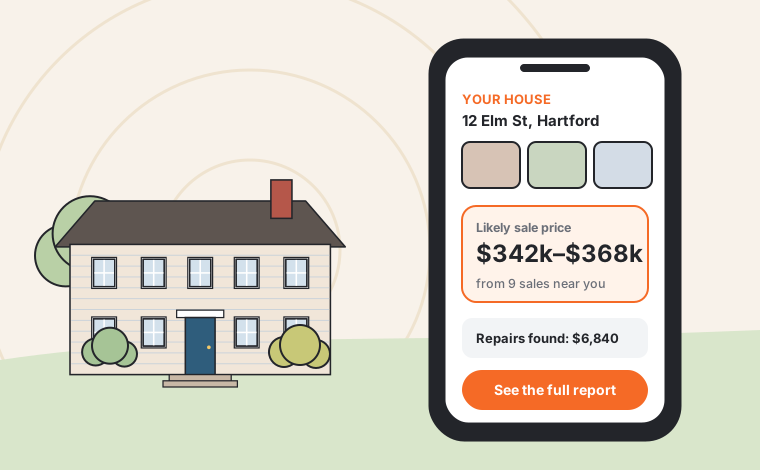
Online estimates cannot see your kitchen, your roof or your basement. Add the address and a few photos and we compare your house with recent sales near you and price the repairs we see, so you start from a realistic range. Free, and no calls unless you ask.
Photograph each room.
See what your house is worth.
Add the address and a few photos. As each room fills in, we compare your house with recent sales near you and price the repairs we see, so you get a realistic value range, not an online guess. No calls unless you ask.
We may bring in a partner buyer to close. Your price and terms don't change.
What will repairs cost before you sell, and which ones pay back?
Before you sell a house in Connecticut, the repairs that pay back are the small, visible ones: paint, cleaning, broken items and anything a lender or inspector will flag. Big projects such as a new roof or a kitchen remodel rarely pay back. Price the work before you decide; a few thousand dollars of the right repairs can be worth more than a new kitchen nobody asked for.
| Repair or prep | Typical cost in Connecticut (est.) | Pays back before a sale? |
|---|---|---|
| Deep clean and declutter | $300 – $900 | Almost always |
| Interior paint, one room | $400 – $900 | Usually, in neutral colors |
| Fix leaks, broken fixtures, doors, windows | $100 – $1,500 | Yes: inspectors and lenders flag them |
| Smoke and CO detectors | $50 – $400 | Yes: required for the closing affidavit |
| Yard cleanup and trimming | $300 – $1,500 | Usually: first impressions and photos |
| Refinish hardwood floors | $3 – $8 per sq ft | Often, if the floors are visibly worn |
| Water heater | $1,200 – $2,500 | If it has failed or leaks |
| Electrical panel or old wiring | $1,500 – $4,000+ | If an insurer or lender requires it |
| Radon mitigation | $1,000 – $2,500 | If a test is high; buyers will ask |
| Underground oil tank removal | $1,500 – $5,000+ | Often required by buyers’ lenders and insurers |
| New roof (asphalt) | $10,000 – $25,000 | Rarely: price it in or credit the buyer |
| Kitchen or bath remodel | $15,000 – $60,000+ | Rarely: buyers want to choose their own |
| Crumbling foundation replacement | $100,000+ | No: disclose it and price it in |
Not sure which repairs your house needs, or what they would cost? You have two ways to find out without anyone coming over.
Text us photos of the room.
Get every repair priced.
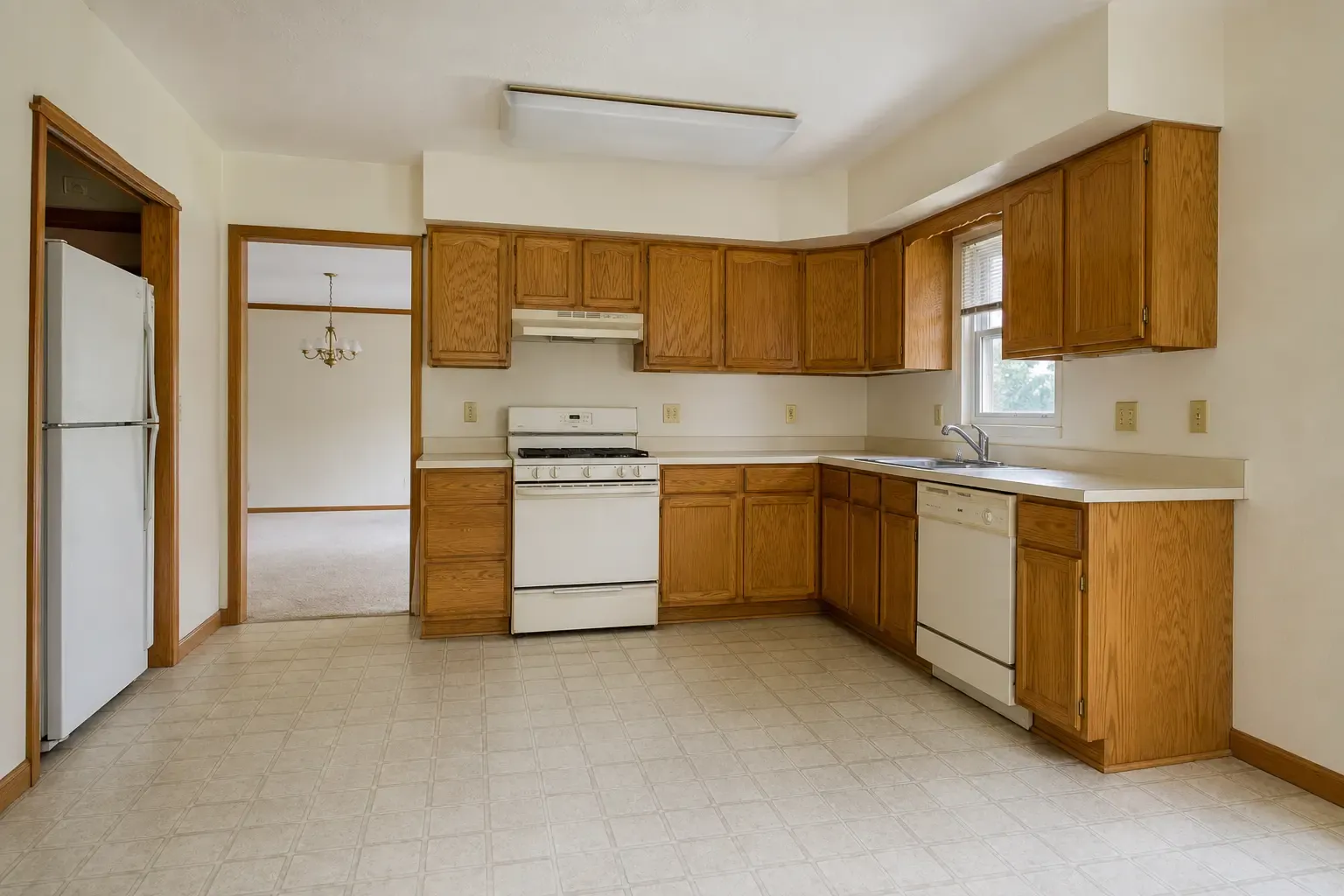
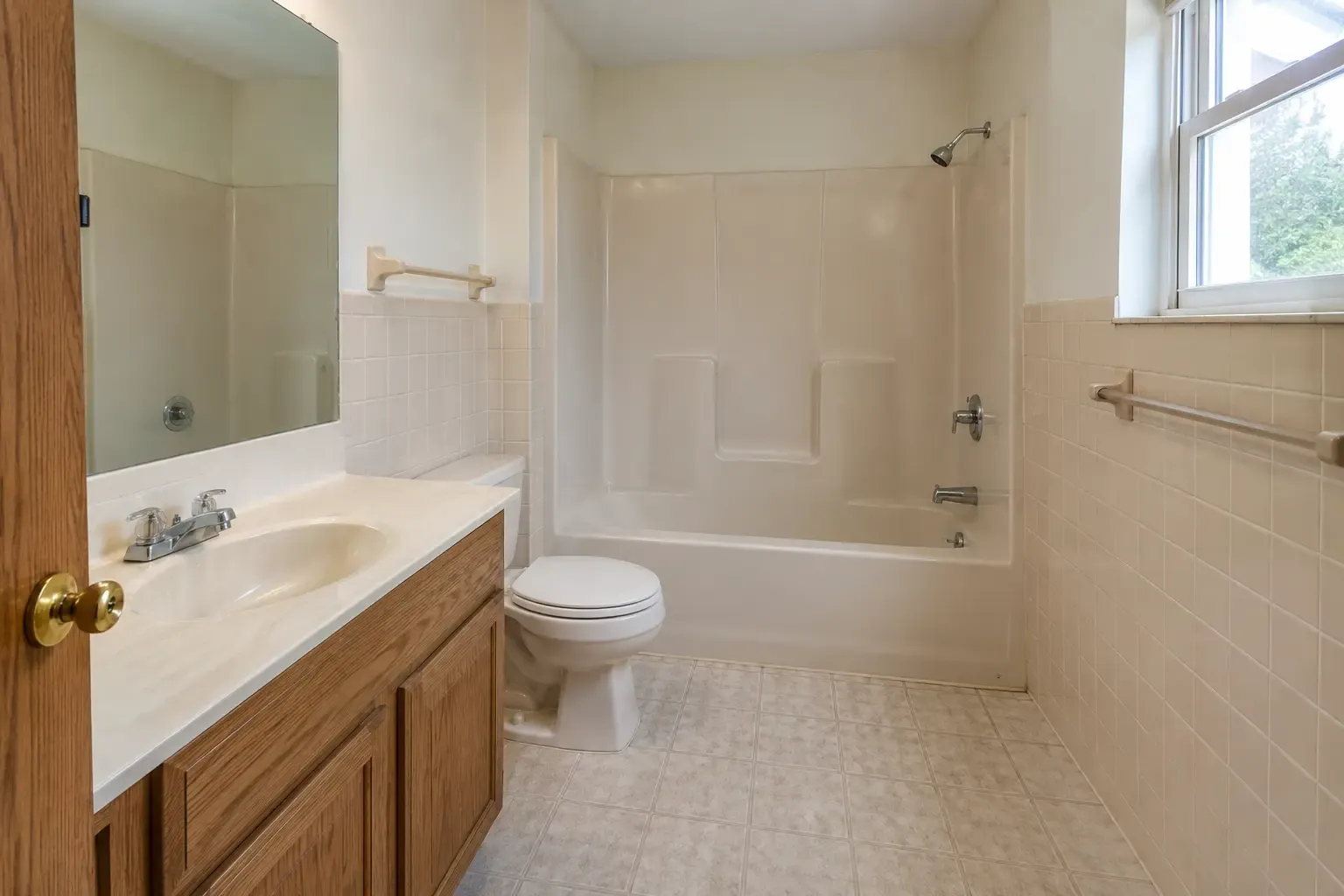
Not sure what to fix before you list? Send photos the way you would send them to a friend. We name the repairs we see and reply with each one priced, so you know what is worth fixing and what to leave for the buyer. No visit, and no calls unless you ask.
We may bring in a partner buyer to close. Your price and terms don't change.

How do you get buyers when you sell by owner in Connecticut?
To get buyers when you sell by owner in Connecticut, put the listing on SmartMLS through a flat-fee service so it reaches buyer agents and the big home sites, add strong photos, a yard sign and an open house, and answer every inquiry fast. The MLS matters most, because most buyers search with an agent.
| Channel | Cost (est.) | Reach | Notes |
|---|---|---|---|
| Flat-fee MLS listing (SmartMLS) | About $100-$500 | Highest | Feeds buyer agents’ searches and portals like Zillow, Realtor.com and Redfin. |
| Zillow “For Sale By Owner” listing | Free | High | Shown separately from agent listings on some views. |
| Yard sign and flyer box | $30-$80 | Local | Still works on busy streets. |
| Open house | Free | Local | Use a sign-in sheet; ask for pre-approval before private showings. |
| Facebook Marketplace and neighborhood groups | Free | Local | Expect investors and lowball messages; screen them. |
Showings without an agent
- Get a full name, phone number and pre-approval letter before a private showing.
- Lock away valuables, medications, mail and paperwork.
- Have another adult present.
- Do not discuss your reasons for selling or your lowest price.
- Follow up within a day; ask what they liked and what held them back.
How do you handle offers and the contract without an agent?
To handle offers and the contract without an agent in Connecticut, compare offers on what you will actually net and how likely they are to close (price, financing type, down payment, contingencies, the closing date and any credits the buyer asks for), verify the buyer’s financing, and let your Connecticut attorney write or review the contract before anyone signs.
What to look at in every offer
| Term | What it means for you |
|---|---|
| Price and credits | Subtract seller concessions and any buyer’s agent fee you agree to pay. |
| Financing | Cash closes fastest. Conventional loans are common. FHA and VA loans have stricter property condition rules that can force repairs. |
| Mortgage contingency | The buyer can walk away if the loan is not approved by a date. Shorter is better for you. |
| Inspection contingency | Usually a short window; expect a repair or credit request afterwards. |
| Appraisal | If the bank appraisal comes in low, the buyer may ask you to drop the price. |
| Deposit | Often a small deposit with the offer and more when the contract is signed (common practice, not law). Held in an attorney’s escrow account. |
| Closing date | Make sure it works for your move and your own purchase. |
Online purchase agreements are written for other states. Connecticut sales have their own customs (attorney review, the disclosure credit clause, tax proration in arrears, the oil adjustment). Have your attorney draft or review the contract. It is the cheapest insurance in the whole sale.
What happens between the contract and the closing in Connecticut?
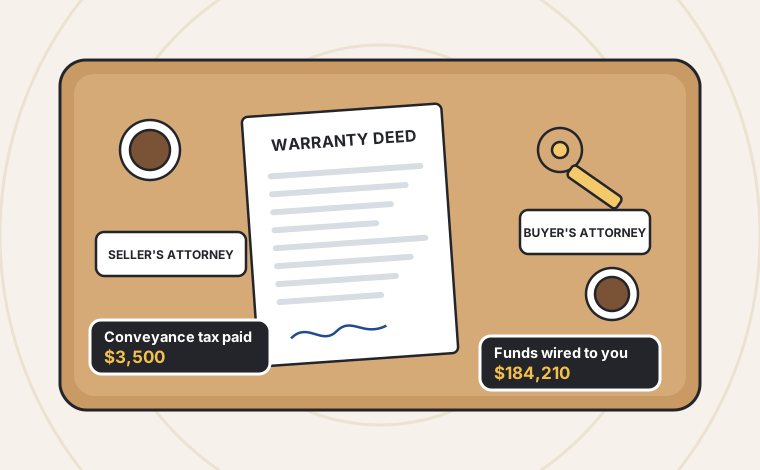
Between the contract and the closing in Connecticut, the buyer inspects and appraises, the buyer’s attorney searches title, your attorney orders the mortgage payoff and prepares the deed and conveyance tax return, and both attorneys prepare the closing statements. Expect 30 to 45 days with a mortgage buyer, sometimes less with cash.
- Inspection (first week or two). Expect a list. Negotiate credits rather than doing repairs yourself where you can.
- Appraisal for the buyer’s lender.
- Title search by the buyer’s attorney. Old mortgages that were paid but never released, unpaid sewer charges or a missing signature from an estate are common Connecticut fixes.
- Mortgage commitment for the buyer, by the date in the contract.
- Payoff and statements. Your attorney orders the payoff and computes the tax proration and oil adjustment.
- Final walkthrough by the buyer, usually a day before closing.
- Closing. You sign the deed, the conveyance tax return and the smoke/CO affidavit; funds are wired; your attorney pays your mortgage and sends you the balance.
Property taxes at closing: why you usually pay, not get paid
Connecticut towns tax property in arrears: the bill you pay covers a period that has already started. At closing, the attorneys split the current tax year between you and the buyer by the day. Depending on where your town’s billing cycle is, you will usually credit the buyer for the part of the year you owned the house that has not been paid. Ask your attorney to show you this line early so it is not a surprise.
The heating oil adjustment
If the house heats with oil, the buyer normally reimburses you for the oil left in the tank at closing, at the current price per gallon. Get a tank reading or receipt from your oil company before closing.
Do you owe taxes when you sell a house in Connecticut?
Yes, you owe some taxes when you sell a house in Connecticut: you always pay the conveyance tax at closing. Income tax on the gain usually does not apply to your main home: if you owned and lived in it for 2 of the last 5 years, up to $250,000 of gain ($500,000 for a married couple) is excluded from federal tax. Gains above that, and gains on rentals or second homes, are taxed federally and by Connecticut as regular income.
- Conveyance tax: paid by the seller at closing (state plus town).
- Federal capital gains: the home-sale exclusion covers most owner-occupants.
- Connecticut income tax: Connecticut taxes capital gains as part of your income, at rates up to 6.99%.
- Rentals: depreciation you took is taxed when you sell (“recapture”). Talk to a tax professional before you sell a rental.
What mistakes do Connecticut owners make when they sell by owner?
The mistakes Connecticut owners make when they sell by owner are pricing above recent sales, skipping the MLS, not verifying the buyer’s financing, using an out-of-state contract template, forgetting the state disclosures and affidavits, and being surprised by the conveyance tax and the property tax proration at closing.
- Pricing from hope, not sales. Price from closed sales near you.
- Staying off the MLS. Most buyers have agents who search it.
- Taking the house off the market for an unverified buyer. Call the lender on the pre-approval letter.
- A template contract. Use a Connecticut attorney.
- Missing disclosures. $500 and $250 credits, plus the lead paint rule.
- Budgeting without the conveyance tax. It is 1% or more of your price.
- Ignoring the oil tank, septic or foundation. Inspectors find them; disclose and price them.
- Negotiating emotionally. Decide your walk-away number before the first offer.
When is selling by owner the wrong choice, and what are the alternatives?
Selling by owner is the wrong choice in Connecticut when the house needs significant work, the sale is urgent, you live out of state, or an estate, a divorce, tenants or a foreclosure is involved. The alternatives are a flat-fee MLS listing, a full-service listing agent or a direct cash sale; for a move-in-ready house in a busy market, selling by owner can still be the best deal.
How long each route takes
Typical shapes, not promises: a well-priced, ready house can sell in days; a hard-to-finance house can sit for months. Contract to closing with a mortgage buyer usually takes 30 to 45 days.
| By owner | Flat-fee MLS | Listing agent | Cash buyer | |
|---|---|---|---|---|
| Commission | Buyer’s agent only (usually) | Flat fee + buyer’s agent | Both sides, about 5% to 6% total (est.) | None |
| Conveyance tax and attorney | Yes | Yes | Yes | Yes (tax); many cash buyers pay the other closing costs |
| Repairs and cleaning | Your choice | Your choice | Usually expected | None, sold as-is |
| Showings | You run them | You run them | Agent runs them | One walkthrough |
| Time to close | Weeks to months | Weeks to months | Weeks to months | About 2 weeks, or your date |
| Price | Market price, if priced and negotiated well | Market price | Market price, professionally negotiated | Below retail: the buyer pays for repairs, risk and resale |
| Best for | Ready house, time, experience | Ready house, wants MLS exposure | Most owners of ready houses | Houses that need work, deadlines, estates, tenants, foreclosure |
Our honest take
We buy houses for cash, so read this knowing that. If your house is updated, you have time, and you are comfortable negotiating, listing it (by owner or with an agent) will usually get you more money than a cash offer, and we will tell you so. A cash sale is the better deal when the repairs, the months of carrying costs, the showings or a deadline would eat more than the difference. Our cash buyer vs. realtor comparison shows the math side by side.
Facing something specific? See selling a house in foreclosure in Connecticut or selling an inherited house.
Not ready to decide?
Get a free Home Forecast: your likely sale price from recent sales near you, how long each route would take, and what you would walk away with either way. It follows the market, so you can decide when the timing is right.
Know where you stand,
on your own time.
Watch what homes around you sell for and how fast, so when you are ready, you already know your options.
Follow your numbers as the market moves, and decide when the timing is right.
Get your cash offer
without anyone coming over.
Want your offer faster, or rather not talk to anyone yet? Send a few phone photos of each room. We price the repairs from them, line by line, and send your cash offer back, so you see a real number before you ever meet us or pick up the phone.
CabinetsFlooringTub & tileFloors Roof
We may bring in a partner buyer to close. Your price and terms don't change.
Connecticut town by town: conveyance tax and market data
The conveyance tax and the market in Connecticut depend on your town. Most towns add 0.25% to the state’s 0.75%, for 1% on a typical house; sixteen cities add 0.50%, for 1.25%. Here are the conveyance tax rate, median sale price, homes sold and mill rate for every town we cover, from state records.
| Town | County | Town conveyance rate | Median sale price | Homes sold | Mill rate | Conveyance tax on a median single-family sale |
|---|---|---|---|---|---|---|
| Ansonia | New Haven | 0.25% | $390,000 | 185 | 29.46 | $3,800 |
| Avon | Hartford | 0.25% | $515,000 | 298 | 31.8 | $6,200 |
| Beacon Falls | New Haven | 0.25% | $350,000 | 85 | 23.67 | $3,500 |
| Berlin | Hartford | 0.25% | $410,000 | 255 | 31.15 | $4,150 |
| Bethany | New Haven | 0.25% | $483,000 | 67 | 29.99 | $4,814 |
| Bloomfield | Hartford | 0.50% | $340,000 | 263 | 34.4 | $4,200 |
| Branford | New Haven | 0.25% | $363,000 | 411 | 22.16 | $5,470 |
| Bridgeport | Fairfield | 0.50% | $374,500 | 1,166 | 27.95 | $4,794 |
| Bristol | Hartford | 0.50% | $317,500 | 882 | 35.3 | $4,125 |
| Canton | Hartford | 0.25% | $442,000 | 170 | 33.2 | $4,750 |
| Cheshire | New Haven | 0.25% | $521,098 | 382 | 31.36 | $5,430 |
| Cromwell | Middlesex | 0.25% | $350,000 | 244 | 29.28 | $4,550 |
| Danbury | Fairfield | 0.25% | $443,000 | 959 | 25.23 | $4,725 |
| Derby | New Haven | 0.25% | $329,990 | 157 | 38.44 | $3,575 |
| East Granby | Hartford | 0.25% | $400,000 | 64 | 31.1 | $4,200 |
| East Hartford | Hartford | 0.50% | $282,750 | 614 | 47.24 | $3,562 |
| East Hartland | Hartford | 0.25% | $371,000 | 21 | 23.75 | $3,710 |
| East Windsor | Hartford | 0.25% | $310,000 | 155 | 26.64 | $3,280 |
| Easton | Fairfield | 0.25% | $900,000 | 105 | 33.15 | $9,500 |
| Enfield | Hartford | 0.25% | $310,000 | 659 | 33.11 | $3,110 |
| Essex | Middlesex | 0.25% | $591,500 | 118 | 19.26 | $6,710 |
| Fairfield | Fairfield | 0.25% | $879,500 | 812 | 19.19 | $10,100 |
| Farmington | Hartford | 0.25% | $436,000 | 408 | 27.36 | $5,200 |
| Glastonbury | Hartford | 0.25% | $540,000 | 477 | 33.73 | $6,150 |
| Groton | New London | 0.25% | $347,500 | 462 | 25.29 | $3,725 |
| Guilford | New Haven | 0.25% | $593,000 | 378 | 28.4 | $6,060 |
| Haddam | Middlesex | 0.25% | $441,500 | 106 | 24.98 | $4,415 |
| Hamden | New Haven | 0.50% | $339,950 | 810 | 53.67 | $4,438 |
| Hartford | Hartford | 0.50% | $290,000 | 825 | 69.95 | $3,250 |
| Killingworth | Middlesex | 0.25% | $485,000 | 71 | 28.47 | $4,850 |
| Ledyard | New London | 0.25% | $385,000 | 257 | 25.87 | $3,900 |
| Madison | New Haven | 0.25% | $660,000 | 289 | 23.06 | $7,138 |
| Manchester | Hartford | 0.25% | $315,000 | 724 | 41.0 | $3,205 |
| Meriden | New Haven | 0.50% | $300,000 | 749 | 29.99 | $3,950 |
| Milford | New Haven | 0.25% | $450,000 | 780 | 28.67 | $5,150 |
| Monroe | Fairfield | 0.25% | $525,000 | 274 | 29.88 | $5,600 |
| Naugatuck | New Haven | 0.25% | $330,000 | 470 | 40.44 | $3,450 |
| New Britain | Hartford | 0.50% | $300,000 | 768 | 39.18 | $3,562 |
| New Haven | New Haven | 0.50% | $350,000 | 1,022 | 39.962 | $4,118 |
| Newington | Hartford | 0.25% | $336,000 | 433 | 29.41 | $3,600 |
| Newtown | Fairfield | 0.25% | $610,000 | 385 | 29.26 | $6,250 |
| North Haven | New Haven | 0.25% | $439,500 | 244 | 30.56 | $4,450 |
| Norwalk | Fairfield | 0.50% | $605,000 | 1,033 | 32.0 | $9,375 |
| Norwich | New London | 0.50% | $261,000 | 712 | 34.15 | $3,415 |
| Old Saybrook | Middlesex | 0.25% | $670,000 | 187 | 15.77 | $6,990 |
| Orange | New Haven | 0.25% | $560,000 | 143 | 27.4 | $5,750 |
| Oxford | New Haven | 0.25% | $540,000 | 156 | 20.55 | $4,870 |
| Plainville | Hartford | 0.25% | $304,500 | 276 | 35.86 | $3,300 |
| Putnam | Windham | 0.25% | $289,500 | 157 | 18.5 | $3,025 |
| Rocky Hill | Hartford | 0.25% | $350,000 | 233 | 31.7 | $4,250 |
| Seymour | New Haven | 0.25% | $350,000 | 186 | 28.64 | $3,720 |
| Shelton | Fairfield | 0.25% | $500,000 | 536 | 15.51 | $5,465 |
| Simsbury | Hartford | 0.25% | $474,900 | 371 | 33.67 | $5,100 |
| South Windsor | Hartford | 0.25% | $397,000 | 389 | 37.01 | $4,600 |
| Southbury | New Haven | 0.25% | $367,000 | 475 | 25.4 | $5,900 |
| Southington | Hartford | 0.50% | $382,000 | 631 | 23.29 | $5,003 |
| Stamford | Fairfield | Stamford rates | $699,000 | 1,493 | 28.47 | $10,384 |
| Stratford | Fairfield | 0.25% | $435,000 | 699 | 37.73 | $4,490 |
| Suffield | Hartford | 0.25% | $400,000 | 237 | 24.1 | $4,505 |
| Trumbull | Fairfield | 0.25% | $620,000 | 407 | 37.42 | $6,350 |
| Vernon | Tolland | 0.25% | $300,000 | 388 | 36.31 | $3,225 |
| Wallingford | New Haven | 0.25% | $345,000 | 515 | 24.57 | $3,750 |
| Waterbury | New Haven | 0.50% | $270,000 | 1,305 | 43.34 | $3,500 |
| Waterford | New London | 0.25% | $389,052 | 296 | 24.54 | $3,950 |
| West Hartford | Hartford | 0.25% | $485,100 | 831 | 46.77 | $5,200 |
| Westbrook | Middlesex | 0.25% | $544,500 | 108 | 23.25 | $5,850 |
| Westport | Fairfield | 0.25% | $1,900,000 | 448 | 13.2 | $26,000 |
| Wethersfield | Hartford | 0.25% | $395,000 | 331 | 39.98 | $4,150 |
| Windsor | Hartford | 0.25% | $340,000 | 393 | 28.88 | $3,500 |
| Windsor Locks | Hartford | 0.25% | $300,000 | 227 | 22.25 | $3,000 |
| Wolcott | New Haven | 0.25% | $357,000 | 224 | 28.9 | $3,600 |
| Woodbridge | New Haven | 0.25% | $670,000 | 128 | 33.99 | $6,650 |
Questions Connecticut owners ask about selling without a realtor
Is it legal to sell my house without a realtor in Connecticut?
Yes, it is legal to sell your house without a realtor in Connecticut. No Connecticut law requires a real estate agent. You do need to follow the state's disclosure rules, and in practice you will want a Connecticut real estate attorney to write the contract and handle the closing.
Do I need a lawyer to sell my house by owner in Connecticut?
Yes, in practice you need a lawyer to sell your house by owner in Connecticut. Connecticut closings are handled by attorneys, the buyer's lender requires one, and without an agent your attorney is the only professional protecting you. Expect roughly $1,000 to $1,500 for a straightforward sale (est.).
How much does it cost to sell a house by owner in Connecticut?
Selling a $350,000 house by owner in Connecticut costs about $3,500 in conveyance tax (in a town with the standard rate), about $1,200 for your attorney (est.), a few hundred dollars for a flat-fee MLS listing, and usually 2% to 2.5% for the buyer's agent if the buyer has one, plus your own prep and carrying costs.
Who pays the conveyance tax in Connecticut?
In Connecticut, the seller pays the conveyance tax. It is paid at closing before the deed can be recorded: 0.75% of the price up to $800,000 to the state (more above that), plus 0.25% to the town, or 0.50% in Bloomfield, Bridgeport, Bristol, East Hartford, Hamden, Hartford, Meriden, Middletown, New Britain, New Haven, New London, Norwalk, Norwich, Southington, Waterbury and Windham.
Do I have to pay the buyer's agent if I sell by owner?
No, you do not have to pay the buyer's agent when you sell by owner in Connecticut; no law requires it. Since August 2024, buyers sign their own agreement with their agent and that agent's pay is negotiated. In practice, most buyers ask the seller to cover it in the offer, and refusing can shrink your pool of buyers.
What disclosures does a Connecticut seller have to give?
A Connecticut seller has to give the Residential Property Condition Report (or a $500 credit to the buyer), the federal lead paint disclosure for homes built before 1978, the foundation questions on that report if your town is on the state's crumbling-foundation list, and a smoke and carbon monoxide affidavit at closing (or a $250 credit).
What happens if I do not fill out the property condition disclosure report?
If you do not fill out the property condition disclosure report in Connecticut, you must credit the buyer $500 at closing (CGS 20-327c). Skipping it does not protect you from claims over defects you knew about and concealed, so most attorneys recommend completing it honestly.
Can I put my house on the MLS without an agent in Connecticut?
Yes, you can put your house on the MLS without an agent in Connecticut, through a flat-fee MLS company. It enters your listing on SmartMLS, Connecticut's main MLS, for a few hundred dollars, which puts it in front of buyer agents and on sites such as Zillow, Realtor.com and Redfin.
How long does it take to sell a house by owner in Connecticut?
Selling a house by owner in Connecticut takes anywhere from a few weeks to several months, depending on price and condition. From a signed contract to the closing usually takes 30 to 45 days with a mortgage buyer. A cash buyer can close in about two weeks.
How do I figure out what my house is worth?
To figure out what your house is worth, use closed sales of similar houses near you from the last three to six months, adjust for size and condition, and consider a pre-listing appraisal. Each town page on this site lists that town's median sale price and number of sales from state records, and the value check in this guide prices the repairs from your photos.
Do I pay capital gains tax when I sell my home in Connecticut?
Usually you do not pay capital gains tax when you sell your main home in Connecticut: if you owned and lived in it for two of the last five years, up to $250,000 of gain ($500,000 for married couples) is excluded from federal tax. Gains above that are taxed federally and by Connecticut as income.
Why do I owe property taxes at closing in Connecticut?
You owe property taxes at closing in Connecticut because Connecticut towns tax in arrears, so part of the tax for the time you owned the house has usually not been billed yet. The attorneys prorate the year by day, and the seller typically credits the buyer for that unpaid share.
Who gets the heating oil left in the tank?
The buyer gets the heating oil left in the tank, but pays you for it. By Connecticut custom, the closing statement reimburses the seller for the oil in the tank at the current price per gallon.
Can I sell my house by owner if it needs major repairs?
Yes, you can sell your house by owner in Connecticut if it needs major repairs, but it is harder: lenders may refuse to finance a house with safety or structural problems, which limits you to cash buyers and investors. Disclose the problems, price them in, or consider a direct cash sale.
Can I sell a house in probate by owner?
Yes, a house in probate can be sold by owner in Connecticut: the executor or administrator sells it, often with Probate Court approval depending on the will. Our inherited house guide explains the steps and timing.
Can I sell my house by owner if I am behind on my mortgage?
Yes, you can sell your house by owner in Connecticut if you are behind on your mortgage, as long as the sale closes before your Law Day in a strict foreclosure. Time is the problem, because a by-owner listing can take months. Talk to your lender and see our foreclosure guide.
Is a cash offer better than selling by owner?
A cash offer is not always better than selling by owner. A cash offer is usually lower than a well-priced retail sale, but it has no commission, no repairs, no showings and a fixed closing date. Compare your net in the calculator above with any written cash offer.
Do I need a home inspection before I sell?
No, you do not need a home inspection before you sell in Connecticut; it is not required. A pre-listing inspection can help you fix or disclose issues before a buyer's inspector finds them, which reduces renegotiation.
What is the smoke and carbon monoxide affidavit?
The smoke and carbon monoxide affidavit is a statement the seller signs at a Connecticut closing for a one- or two-family home or condo unit about its smoke and carbon monoxide detectors (CGS 29-453). If you do not provide it, you credit the buyer $250.
What should I watch for with a crumbling concrete foundation?
With a crumbling concrete foundation in Connecticut, watch whether your town is on the state's list of affected or potentially affected towns; if it is, answer the foundation questions on the Property Condition Report carefully (the separate Foundation Condition Report applies only to foreclosure, deed-in-lieu and town sales there). Many lenders want testing information, and an affected foundation sharply narrows your buyers.
How do I protect myself from scams when selling by owner?
To protect yourself from scams when selling by owner, verify every pre-approval letter with the lender, never accept overpayment checks or wire money back, keep the deposit in an attorney's escrow account, and close only through attorneys.
Can I back out after accepting an offer?
Once a contract is signed, you generally cannot back out without a contractual reason; doing so can expose you to a lawsuit or a claim on the deposit. Have your attorney review the contract before you sign.
Do I need a survey or a certificate of occupancy to sell?
Usually you do not need a survey or a certificate of occupancy to sell a resale house in Connecticut, but lenders or title insurers may ask for a survey, and open building permits or unpermitted work can delay a closing. Check with your town's building department early.
What is the best time of year to sell a house in Connecticut?
The best time of year to sell a house in Connecticut is spring, when the most buyers are looking and listings rise from March through June. A well-priced house sells in any season, and a cash sale does not depend on the season at all.
Can I sell to a buyer without an agent and save both commissions?
Yes, you can sell to a buyer without an agent and save both commissions. If the buyer has no agent, you pay no commission at all. Both sides should still have their own attorney.
Related Connecticut guides
Before you list
Money and offers
Sources
- Connecticut General Statutes, chapter 223, § 12-494 (real estate conveyance tax) and OLR Report 2020-R-0020, Real Estate Conveyance Tax (rates and the 19 eligible municipalities).
- CGS § 20-327b and § 20-327c (Uniform Property Condition Disclosure Act; $500 credit) and the Residential Property Condition Report from the Department of Consumer Protection.
- Residential Foundation Condition Report (Department of Consumer Protection, revised 07/2025).
- CGS § 29-453 (smoke and carbon monoxide affidavit; $250 credit), as amended by Public Act 23-164.
- EPA and HUD Lead-Based Paint Disclosure Rule (homes built before 1978).
- National Association of Realtors, Profile of Home Buyers and Sellers (2025: 5% of sales by owner; 91% of sellers used an agent).
- NAR settlement practice changes, effective August 17, 2024.
- IRS Publication 523, Selling Your Home (home sale exclusion) and the Connecticut Department of Revenue Services (income tax; conveyance tax return OP-236).
- Connecticut Bar Association Lawyer Referral Service.
- Town sales, mill rates and housing data: Connecticut Office of Policy and Management, published on data.ct.gov (real estate sales, fiscal 2027 mill rates, 2025 parcel CAMA data).
See the house together.
Pick a time that works.
Choose a time for us to walk through the property with you, or ask for a quick call first. We confirm every request personally.
Tuesday, January 13
No open times in the next few weeks. Please call us.
We will confirm by email. Nothing is booked until we do.
View my request
Who wrote this
Jerryll Noorden
Jerryll has bought and sold Connecticut houses since 2016 and has sat at more closing tables than he can count, on both sides. Before real estate he was a robotics scientist at NASA, IHMC and IIT. He wrote this guide because the national sites that rank for it skip the Connecticut rules that cost sellers money. When listing or selling it yourself would get you more than a cash offer, he says so.
This guide explains Connecticut rules in plain English. It is not legal or tax advice. Laws change; for your sale, talk to a Connecticut real estate attorney and a tax professional.
