
Key facts at a glance
This guide is part of how to sell a house in Connecticut. It explains the kinds of cash buyers that contact Connecticut owners, how each prices and closes, and what to ask each.
| Fact | Number or rule | Source |
|---|---|---|
| Wholesalers must register with the Department of Consumer Protection | Since July 1, 2026; $285 fee, valid up to 2 years | CGS 20-329bbb |
| Seller’s right to cancel a wholesale contract | 3 business days, no reason needed | CGS 20-329ccc(a) |
| Latest closing date in a wholesale contract | 90 days after signing, unless you extend in writing | CGS 20-329ccc(b) |
| Who may conduct the closing, for every type of buyer | Only a Connecticut attorney | CGS 51-88a |
| Condition report, cash buyers included | Before the buyer signs, or a $500 credit at closing | CGS 20-327b, 20-327c |
| Conveyance tax the seller pays, most towns | 1% (0.75% state + 0.25% town) up to $800,000 | CGS 12-494 |
| Connecticut median residential sale price | $395,000 (Oct 2024 to Sep 2025) | CT OPM sales data, data.ct.gov |
| Median days on market, Connecticut | 41 days (September 2026) | Realtor.com via FRED |
Why is it so hard to tell cash buyers apart?
It is hard to tell cash buyers apart because they all use the same words: “we buy houses,” “cash,” “any condition,” “close fast.” Behind those words are very different businesses, from a local company that buys and renovates to a person who only signs contracts and sells them on. Most owners feel confused, wary, a little embarrassed to ask, and worried about picking wrong.
Maybe you have three postcards on the counter, two texts and a voicemail from someone who “drove by the house.” They all say cash. None of them says what they actually do with the house after they buy it.
That is not your fault. Connecticut only began requiring wholesalers to register on July 1, 2026, partly because sellers often did not know who they were dealing with.
I am Jerryll Noorden. I buy houses in Connecticut myself, about ten a year since 2016, so I am one of the types on this page: a local direct buyer who closes in its own company’s name. I would rather you understand all six types before you talk to anyone, including me. If you have a stack of cash offers, or expect one, and want to know who is who, this page is for you.
What types of cash home buyers are there in Connecticut?
The types of cash home buyers in Connecticut are six: local direct buyers, house flippers, landlords (buy-and-hold investors), wholesalers, iBuyer-style instant-offer programs, and individual buyers who pay cash for a home to live in. They differ in who ends up owning your house, how they set the price, and how fast and how surely they close.
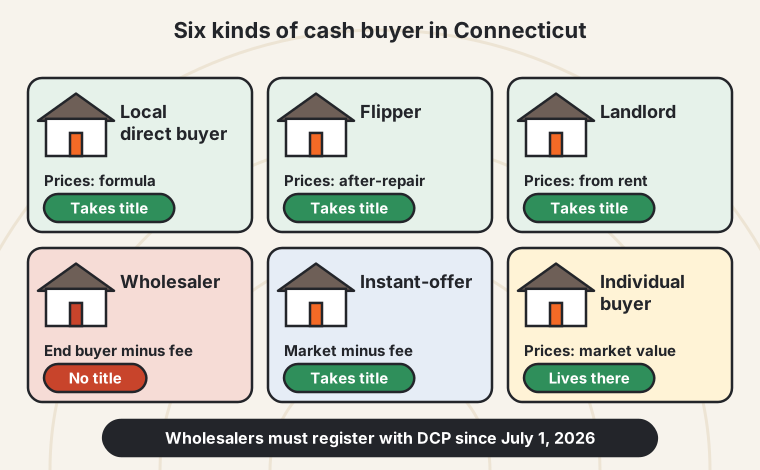
| Type | Who ends up owning your house | How they price it | Typical close | Usual house |
|---|---|---|---|---|
| Local direct buyer | The buyer’s own company | After-repair value minus repairs, costs and margin, or rent math | About 1 to 3 weeks, or your date | Any condition, often with problems |
| House flipper | The flipper, then a retail buyer after renovation | After-repair value minus repairs, resale and holding costs and margin | About 2 to 4 weeks (est.) | Dated or damaged single-family homes |
| Landlord (buy-and-hold) | The landlord, who rents it out | Rent minus expenses, at the return they want | About 2 to 4 weeks (est.) | 2-4 families, houses near jobs and transit |
| Wholesaler | Someone else; the wholesaler assigns your contract | The end buyer’s number minus the wholesaler’s fee | Often 30 to 90 days; capped at 90 by statute | Whatever an investor on their list will take |
| iBuyer-style instant-offer program | The program, which resells it | Market value minus a service fee and repair credits | A few weeks; you often pick the date | Newer, tidy houses in markets they serve |
| Individual cash buyer | A person or family who will live there | Market value, sometimes minus a “cash discount” | About 2 to 4 weeks, usually through agents | Move-in-ready houses on the open market |
Two things are the same for every row: a Connecticut attorney conducts the closing (CGS 51-88a), and you owe every buyer the same disclosures, including the condition report or a $500 credit (CGS 20-327b, 20-327c) and the signed smoke and CO affidavit at closing (CGS 29-453).
How a cash offer is built, line by line, is explained once on our Connecticut cash home buyers guide. This page stays on the differences between the buyers themselves.
How does a local direct buyer price and close?
A local direct buyer prices your house by working out what it will do with it, usually renovate and resell or renovate and rent, and subtracting the repairs, its costs and a margin from what the finished house is worth. It closes in its own name, with its own money or a lender it already uses, typically in one to three weeks or on the date you pick.
“Local direct buyer” is the broadest group. It covers small Connecticut companies and individual investors who buy a handful to a few dozen houses a year. Some only flip, some only rent, many do both and choose per house. What makes them “direct” is that the person who walks through your house is the person, or the company, whose name goes on the deed.
How they close: the contract names their company as buyer, they show proof of funds (a bank statement or a lender already lined up), they need little or no inspection period because they walked the house before offering, and because no mortgage is involved they can close in about two weeks or wait months for you.
They are strong on houses a lender would not finance, houses full of belongings, tenants, estates and tight deadlines, and weak on move-in-ready houses, where the open market pays more (see our cash buyer vs. realtor comparison). This is the type we are: we buy in our own company’s name and decide per house whether to renovate and resell or keep and rent.
How does a house flipper price your house?
A house flipper prices your house backwards from its after-repair value, the price it should sell for once renovated, minus the cost of repairs, the costs of buying, holding, financing and reselling it, and a profit margin. A flipper’s offer moves most with three inputs: the comparable renovated sales it picks, how much work it sees, and how long it expects the project to take.
A flipper is a local direct buyer with one exit: renovate and sell to a retail buyer. So it prices every repair a future inspector or appraiser would flag (roof, panel, oil tank, septic, foundation, lead paint), it pays its own purchase closing costs plus a full set of selling costs on the resale, including the conveyance tax under CGS 12-494, and every month of work costs it your town’s property tax, insurance and loan interest. A high mill rate lowers the offer.
The usual shortcut is the “70% rule”: about 70% of the after-repair value, minus repairs. Our page on why cash offers are so low explains where each dollar of that gap goes. The practical point for you: a flipper’s offer is only as good as its after-repair value and repair estimate. Our step-by-step guide to checking whether a cash offer is fair shows you how to rebuild both from public data.
How does a landlord or buy-and-hold investor price a house?
A landlord or buy-and-hold investor prices a house from the rent it can collect, not from a resale price. It estimates the rents, subtracts taxes, insurance, repairs, vacancy and management, and pays the price at which what is left gives it the return it wants. On a multi-family with paying tenants, that can beat a flipper’s offer.
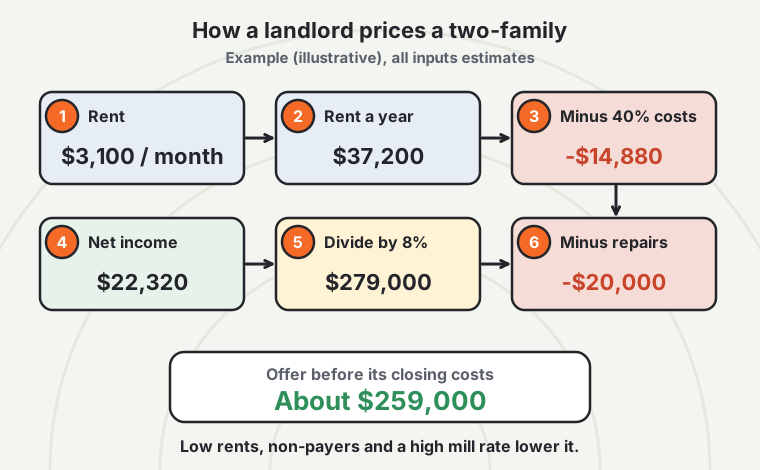
Here is the method on a two-family house, with round numbers so you can see the logic. It is an illustration, not a quote, and every input is an estimate.
| Line | Amount (illustrative) | How it is figured |
|---|---|---|
| Rent, both units | $3,100 a month | $1,600 + $1,500 (est.) |
| Rent for a year | $37,200 | 12 months |
| Expenses: tax, insurance, repairs, vacancy, management | −$14,880 | About 40% of rent (est.) |
| Net operating income | $22,320 | What is left before any loan |
| Value at the landlord’s target return | $279,000 | $22,320 ÷ 8% (est.) |
| Repairs to make units rentable | −$20,000 | (est.) |
| Offer, before its own closing costs | About $259,000 | $279,000 − $20,000 |
Below-market rents lower a landlord’s number, non-paying tenants lower it more (the landlord inherits the eviction), and your town’s mill rate sits inside the expense line.
If your house has tenants, a landlord is usually the buyer to talk to first. Our guide to selling a rental with tenants in Connecticut covers leases, deposits and notices, and the 2-4 unit guide covers multi-family pricing in more depth.
How does a wholesaler price your house, and how do you spot one?
A wholesaler prices your house by finding out what an investor on its list will pay and offering you that number minus its fee, because it plans to assign your contract rather than buy. You can spot one by the words “and/or assigns” in the contract, a long closing date, and a vague answer to “will you take title in your own name?” Since July 1, 2026 Connecticut requires wholesalers to register and disclose.
Connecticut’s wholesaler law (CGS 20-329aaa to 20-329hhh) defines a wholesaler as someone who signs a contract to facilitate the sale of your house to a third party “without assuming title.” It must register with the Department of Consumer Protection, give you the state’s disclosure report before you sign (required from October 1, 2026), let you cancel within three business days, and close within 90 days unless you extend in writing. The full rulebook is on our real estate wholesaling guide, and the honest pros and cons are on selling your house to a wholesaler.
The pricing is simple arithmetic: if an investor would pay $251,000 and the wholesaler’s fee is $10,000 (illustrative), your contract says $241,000.
Signs you are talking to a wholesaler, not a buyer:
- The contract names the buyer “and/or assigns.” Our page on “and/or assigns” in a contract explains what that allows.
- The closing date is 30 to 90 days out, with a long inspection or “due diligence” period.
- They ask to bring “partners” or “my contractor” through after signing.
- The deposit is tiny, or there is none.
- They cannot show deeds they have recorded in their own name in Connecticut.
- They hand you a DCP Wholesale Disclosure Report. That one is not a warning sign; it is the law working. It tells you plainly what they are.
A wholesaler is not automatically bad; for a badly damaged house no local buyer wants, one with a long investor list may find a taker. But when a direct buyer will close itself, you keep the fee and skip the wait. See wholesalers vs. realtors vs. cash buyers.
Ask any buyer who might assign your contract for its DCP registration, and look it up on the state’s eLicense site. A buyer who closes in its own name, like a local direct buyer, is not a wholesaler under the statute’s definition, so it will not have one. A buyer who plans to assign and has none is breaking the law, and a violation is an unfair trade practice (CGS 20-329hhh).
How do iBuyer-style instant-offer programs work in Connecticut?
iBuyer-style instant-offer programs work by pricing your house with a computer model from recent sales, sending a preliminary offer close to market value, then inspecting it and subtracting a service fee and a repair credit before closing. They suit newer, tidy houses in areas they serve. Many Connecticut houses, older ones with oil tanks, septic, wells or multiple units, fall outside what they buy.
The pattern is the reverse of a flipper’s. The headline number is high because it starts near market value; the deductions come later. First a preliminary offer from an online form, then an inspection or video walkthrough that sets a repair credit (on an older Connecticut house, this is where the number falls most), then a service fee, a percentage of the price that varies by program and is not fixed by law. Published examples are often around 5% (est.).
On a $395,000 house, a 5% fee is $19,750 before any repair credit (illustrative). Compare the final net with what a listing agent says the house would net.
Coverage changes, so check whether any program makes offers at your exact address.
What about individual buyers who pay cash?
Individual buyers who pay cash are ordinary home buyers, often downsizers, relocating families or parents buying for a child, who buy without a mortgage. They usually pay close to market value and find you through the MLS and an agent. Because no lender is involved, they skip the appraisal and financing contingency, but most still want an inspection.
An individual cash buyer compares your house with every other listing, not with a renovation budget, so they pay near market for a house in market condition.
Expect a near-market price, sometimes with a request for a small “cash discount,” and an inspection contingency in most contracts. There is no appraisal requirement, so a low appraisal cannot sink the deal. You find them through a normal listing, rarely by postcard.
If your house is move-in ready and you have a couple of months, this buyer, reached by listing, is very often the one who pays you the most. Our guide on whether an investor will pay close to asking explains why investors rarely can on that kind of house.
What would each type offer on the same Connecticut house?
Each type of cash buyer would offer a different number on the same Connecticut house because each one plans something different for it. On an illustrative house worth $395,000 renovated that needs $40,000 of work, a flipper’s full formula gives about $251,000, a wholesaler passes on that minus its fee, and an individual buyer, if one will take the work, pays an as-is market price.
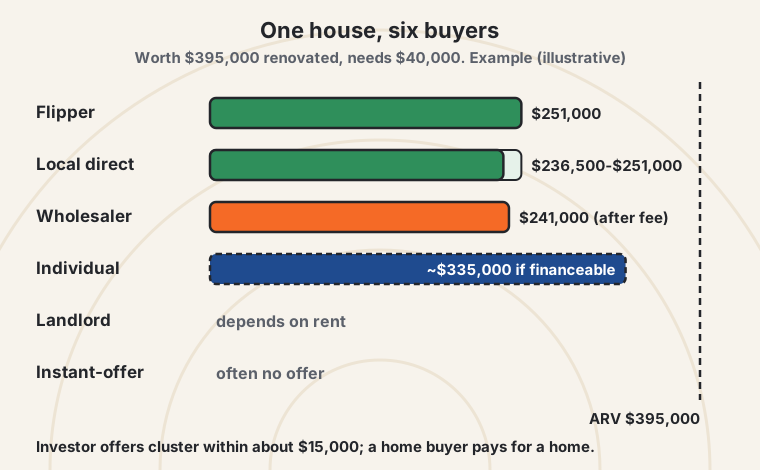
The house: a 1950s cape whose renovated neighbors sell for about $395,000, the Connecticut median, needing about $40,000 of roof, kitchen, bath, paint and floors (est.). Our fair-offer guide works its math line by line.
| Buyer type | Likely offer (illustrative) | Why |
|---|---|---|
| Flipper | About $251,000 | Full formula: after-repair value minus repairs, resale, holding, financing and a 12% margin |
| Local direct buyer | About $236,500 to $251,000 | Same formula, or the 70% rule ($395,000 × 70% − $40,000), or rent math if it plans to keep it |
| Wholesaler | About $241,000 | An investor’s $251,000 minus an illustrative $10,000 assignment fee |
| Landlord | Depends on rent | A single-family usually rents for less, relative to price, than a 2-4 family, so landlords often bid below flippers here |
| Instant-offer program | Often no offer | $40,000 of work is usually outside their model |
| Individual cash buyer | Near the as-is market price, about $335,000 | Only if a buyer wants the project; they still inspect |
The investor offers cluster within about $15,000 because they share a formula; the individual buyer pays for a home, not a project. That is why the first question is never “which cash buyer?” but “does this house need a cash buyer at all?” Our guide to whether you should sell your house for cash answers that by situation.
What should you ask each type of cash buyer?
You should ask each type of cash buyer the questions that expose how it makes money: who will take title, how the price was built, what could change it before closing, and how fast it can actually close. A legitimate buyer of any type answers plainly and in writing; vague answers tell you more than the offer does.
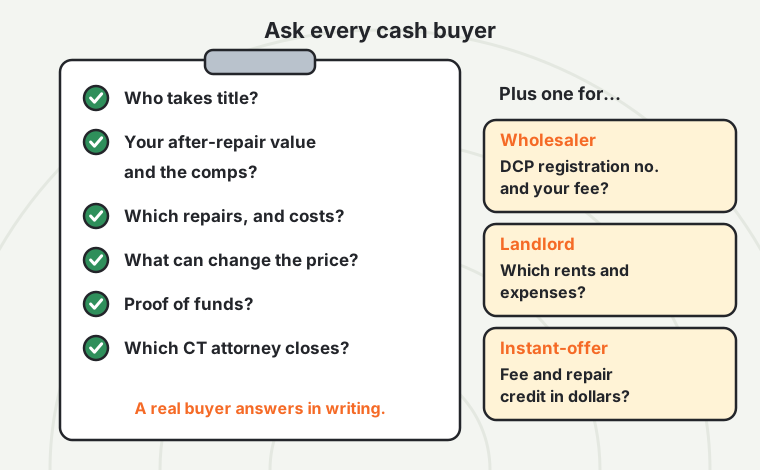
Ask every buyer:
- Will your company take title in its own name at closing, and will the contract say so?
- What after-repair value did you use, and which recent sales support it?
- Which repairs did you price, and roughly what for each?
- What, exactly, could change the price between signing and closing?
- Can you show proof of funds or a lender’s commitment?
- Which Connecticut attorney or firm closes for you, and is the deposit held in escrow?
| Buyer type | The extra question | A good answer |
|---|---|---|
| Local direct buyer | “Can you show me houses you have bought in Connecticut?” | Addresses you can look up on town land records, in the buyer’s name |
| Flipper | “What do you think it sells for when you are done?” | A number and three to five renovated sales nearby |
| Landlord | “What rents and expenses did you assume?” | Specific rents per unit and an expense estimate |
| Wholesaler | “What is your DCP registration number, and what is your fee?” | A number you can verify, the disclosure report, and a straight answer on the fee |
| Instant-offer program | “What is the service fee and the repair credit, in dollars?” | Both numbers in writing before you sign |
| Individual cash buyer | “What contingencies does your offer have?” | Inspection only, a short period, and proof of funds |
For land-record, business-filing and court checks, use our guide to checking a cash home buyer; the red flags page lists what to walk away from, such as a fee to you or a request to sign the deed before closing.
Once you hold written offers, compare the terms too: see comparing several cash offers and the cash offer contract checklist.
Which type of cash buyer fits your house?
The type of cash buyer that fits your house depends mostly on its condition and whether it has tenants. A move-in-ready house fits an individual buyer reached by listing; a dated single-family fits a flipper or local direct buyer; a 2-4 family with tenants fits a landlord; a house with deep problems fits an experienced local direct buyer, and only then a wholesaler.
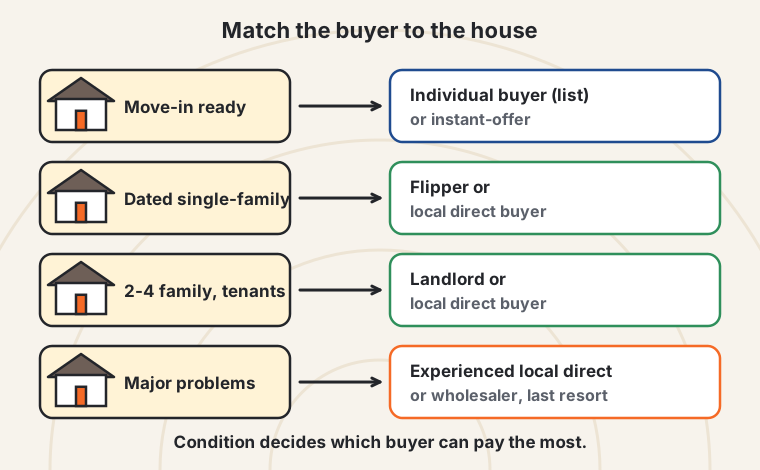
| Your house | Best first call | Second option | Usually a poor fit |
|---|---|---|---|
| Move-in ready, no deadline | A listing agent (individual buyers, cash or financed) | Instant-offer program, if it serves your area | Flippers and wholesalers |
| Dated but sound single-family | A listing agent for an as-is price, and a local direct buyer for comparison | Flipper | Instant-offer program |
| 2-4 family with tenants | Landlord or local direct buyer | A listing aimed at owner-occupants | Instant-offer program |
| Major problems: structure, foundation, fire, full cleanout | Experienced local direct buyer | Flipper who does structural work | Individual buyers with a mortgage |
| Deadline in weeks (foreclosure, move, estate) | Local direct buyer who closes in its own name | Flipper | Anyone who needs 60 to 90 days |
| Rural, small town, no investor interest | Local direct buyer covering your county | Wholesaler, with a short contract | Instant-offer program |
If you are unsure which row you are in, this two-minute check weighs the same factors.
Is a cash sale right for you, or should you list?
Seven quick questions. There is no wrong answer, and we will tell you honestly if listing would leave you more.
- Does the house need repairs you would rather not pay for or manage?
- Do you need to close by a certain date, or within the next month or two?
- Would showings be hard: tenants, belongings, privacy, or you live out of state?
- Is there a complication: an estate or probate, a divorce, foreclosure, liens or back taxes?
- Could you comfortably cover the mortgage, taxes and utilities for three or more months?
- Is getting the highest possible price more important to you than speed and certainty?
- Would a buyer's bank lend on the house as it is (no major roof, foundation, oil tank or code issues)?
When should you not sell to any type of cash buyer?
You should not sell to any type of cash investor when your house is in good condition, a buyer’s lender would finance it, and you have two or three months. In that case listing almost always nets more, even after commission, because individual buyers pay market value. Also skip cash if you owe more than an investor would pay; that needs your lender, not a buyer.
Connecticut houses sold in a median 41 days on market in September 2026, and faster in spring, according to Realtor.com data on FRED. For a ready house, that is not a long wait. On a $395,000 move-in-ready house, our direct sale vs. agent guide works out that a cash offer would have to reach about $369,063, roughly 93% of the price, just to match the listing net. Investor offers on that kind of house are rarely that high.
Also pause if you owe more than the offers (a cash sale cannot close below your payoff unless the lender agrees; see our short sale vs. foreclosure guide), if anyone needs an answer today, or if you have not yet asked one agent what the house would sell for as-is and fixed.
We will tell you when listing is the better route for your house. It often is.
How do you get offers from several types of cash buyers without getting swamped?
You get offers from several types of cash buyers without getting swamped by choosing two or three on purpose instead of filling in every online form. Many “get cash offers” sites sell your details to many investors, which brings calls for weeks. Pick a local direct buyer, one buyer suited to your house type and one listing agent, and ask each for a written number.
Write down the facts
Year built, heating fuel, roof age, known problems, tenants and what you owe. Give every buyer the same facts.
Get a listing opinion
Ask one local agent what the house would sell for as-is and after obvious repairs. This is your yardstick.
Pick two cash buyers of the right types
Use the fit table: a local direct buyer plus a landlord for a two-family, or plus a flipper for a dated single-family. Ask them the six questions, in writing.
Compare nets and terms, then call your attorney
Subtract your conveyance tax (1% in most towns, CGS 12-494), attorney and carrying costs, compare deposits and dates, and have your own attorney read the contract before you sign.
If you want our number in the mix, start from photos. A typical sale with us takes about two weeks, or longer if you need it; leave what you do not want, and pay no fees or commissions.
Get your cash offer
without anyone coming over.
Want your offer faster, or rather not talk to anyone yet? Send a few phone photos of each room. We price the repairs from them, line by line, and send your cash offer back, so you see a real number before you ever meet us or pick up the phone.
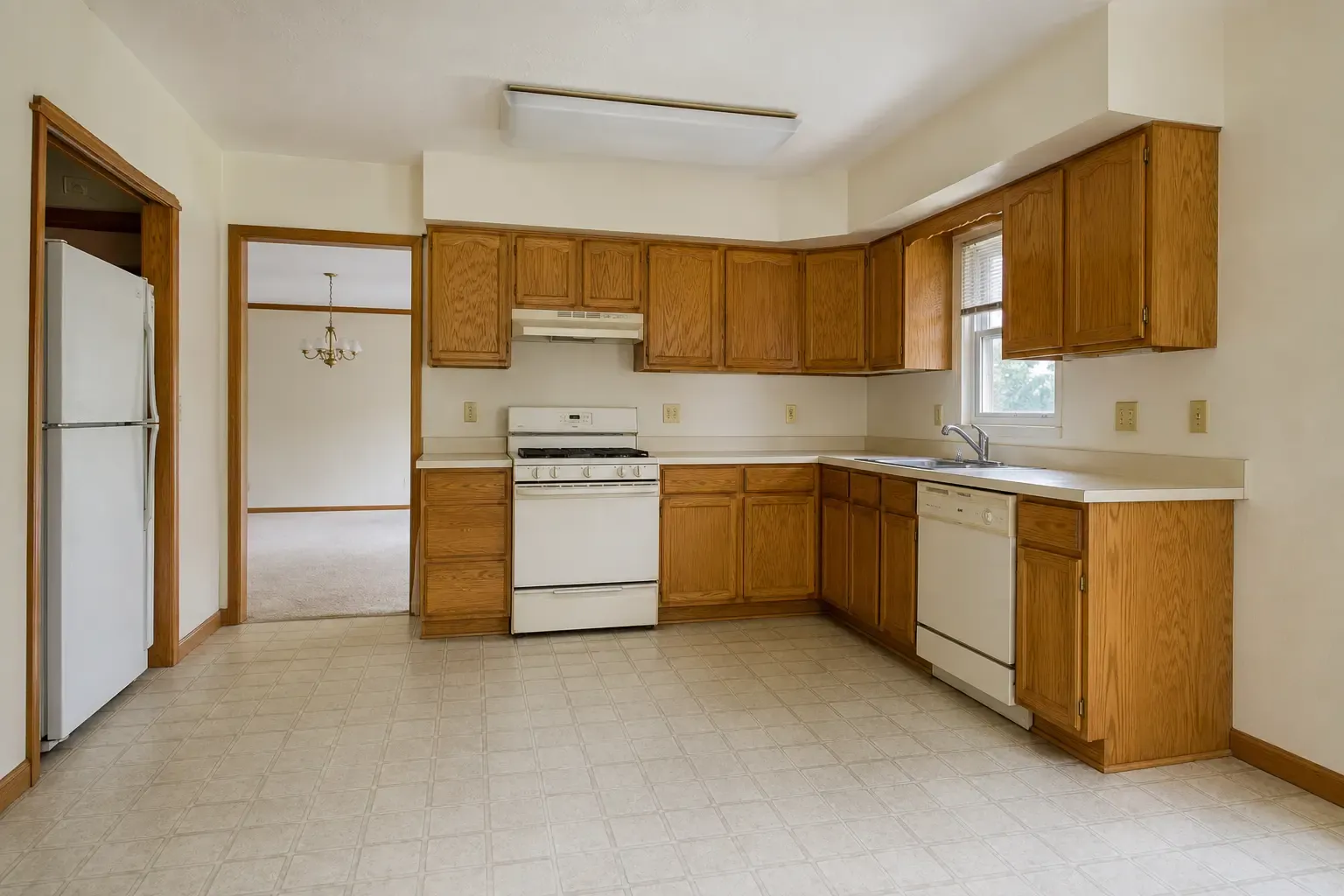 CabinetsFlooring
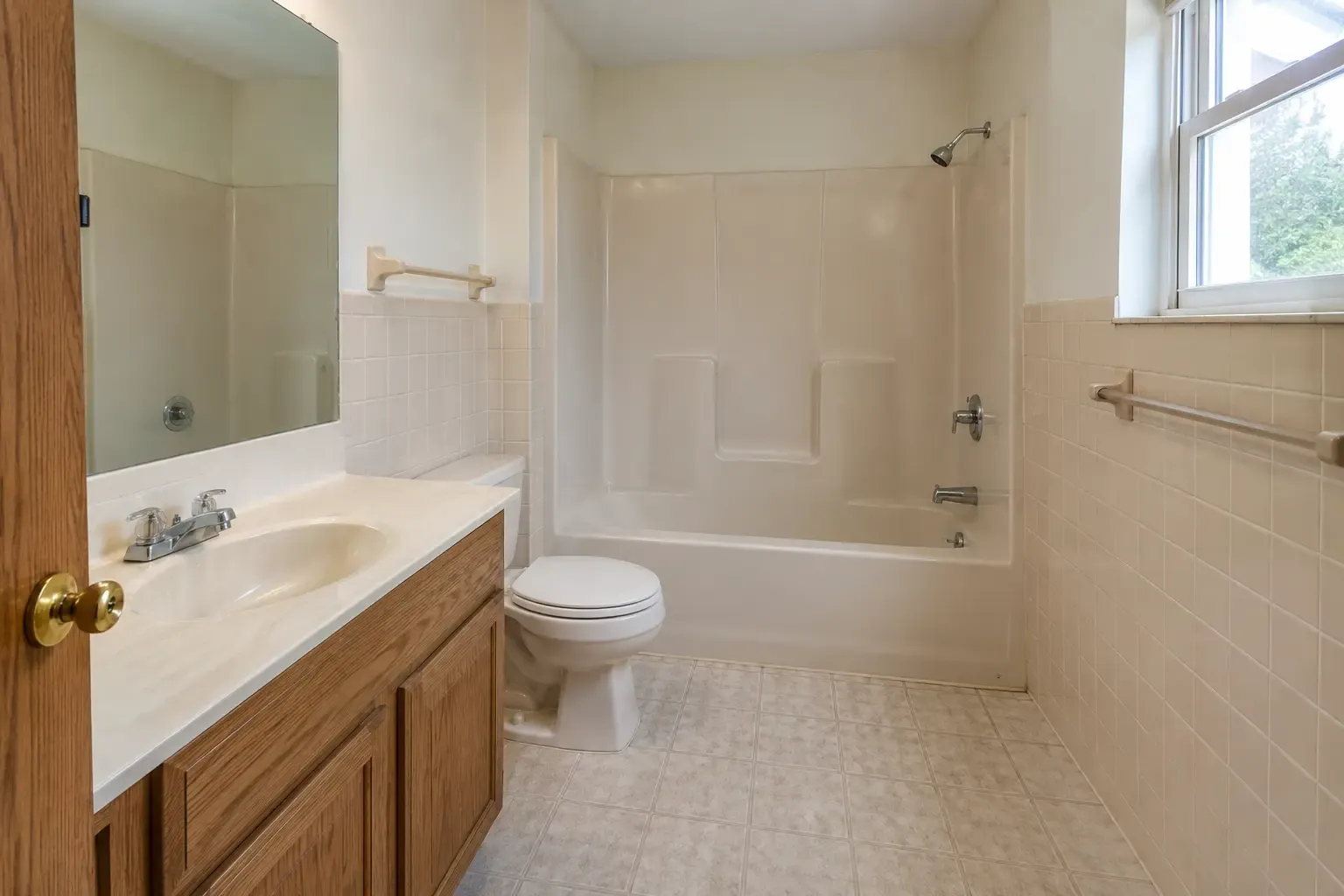 Tub & tile
 Floors
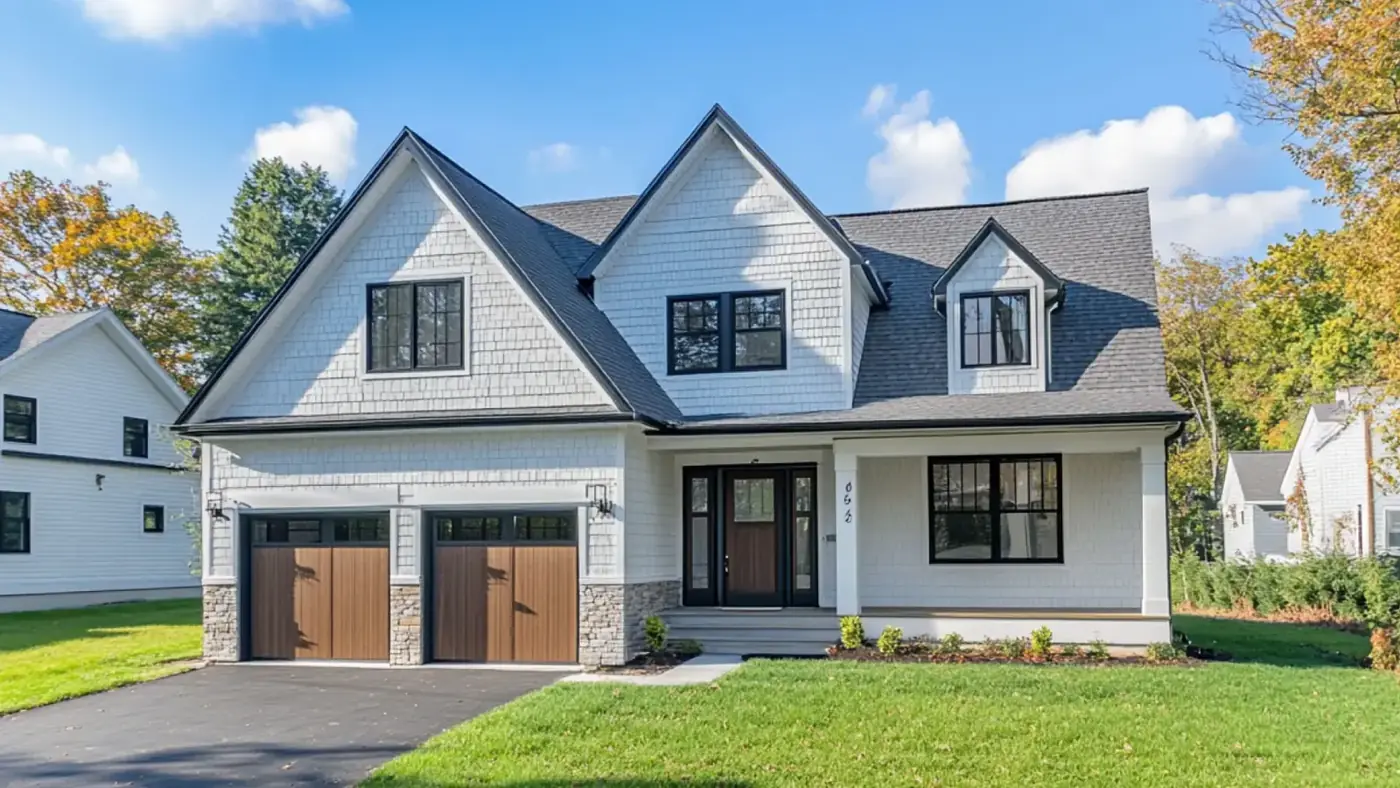 Roof
We may bring in a partner buyer to close. Your price and terms don't change.
Questions about the types of cash home buyers in Connecticut
What are the main types of cash home buyers?
The main types of cash home buyers are local direct buyers, house flippers, landlords or buy-and-hold investors, wholesalers, iBuyer-style instant-offer programs and individual buyers paying cash for a home to live in. Only the wholesaler does not plan to take title itself.
Which type of cash buyer pays the most?
The type of cash buyer that pays the most is usually the individual buyer who will live in the house, because they pay market value, but they mostly buy move-in-ready houses through a listing. Among investors, the one whose plan fits your house best pays most: a landlord for a rented multi-family, a flipper for a dated single-family.
Is a wholesaler a cash buyer?
A wholesaler is not really a cash buyer, because it does not intend to buy your house with its own money; it signs a contract and assigns it to an investor who does. Since July 1, 2026, Connecticut requires wholesalers to register with the Department of Consumer Protection (CGS 20-329bbb).
How can I tell if a cash buyer is a wholesaler?
You can tell a cash buyer is a wholesaler if the contract says “and/or assigns,” the closing is 30 to 90 days out, the deposit is small, or they cannot show Connecticut deeds in their own name. From October 1, 2026, a wholesaler must also hand you the state’s disclosure report before you sign (CGS 20-329eee).
Do iBuyers buy houses in Connecticut?
Whether iBuyers buy houses in Connecticut depends on the program and the exact address; coverage changes and tends to favor newer, tidy single-family homes. Many older Connecticut houses with oil tanks, septic systems, wells or multiple units fall outside their models. Check at your address before counting on one.
Does a cash buyer still need an attorney in Connecticut?
Yes, a cash buyer still needs an attorney in Connecticut, because only a Connecticut attorney may conduct a real estate closing (CGS 51-88a). Have your own attorney too, whichever type of buyer you choose.
Do I still fill out the condition report if I sell to a cash buyer?
Yes, you still fill out the property condition report when you sell to a cash buyer; there is no cash-sale exemption. If you do not give it before the buyer signs, you credit the buyer $500 at closing (CGS 20-327b, 20-327c). Executors and other fiduciaries are exempt.
Can a landlord buy my house with the tenants still in it?
Yes, a landlord can buy your house with the tenants still in it; buy-and-hold investors often prefer that, because the house earns rent from day one. Existing leases and security deposits transfer to the buyer at closing. The rent level and payment history will shape their offer.
How fast does each type of cash buyer close?
Each type of cash buyer closes at its own pace: local direct buyers often in one to three weeks, flippers and landlords in two to four, instant-offer programs in a few weeks, and wholesalers often in 30 to 90 days, which Connecticut caps at 90 unless you extend in writing (CGS 20-329ccc).
Which type of cash buyer is We Buy Houses In Connecticut?
We Buy Houses In Connecticut is a local direct buyer: our company buys the house in its own name and closes through Connecticut attorneys, usually in about two weeks. We decide per house whether to renovate and resell or keep and rent, and we will tell you when listing would net you more.
Related Connecticut guides
Cash buyers
We buy houses in every corner of the state; see where we buy houses in Connecticut. For every route, step and cost, start with how to sell a house in Connecticut.
Plain-English information, not legal advice. Have a Connecticut real estate attorney read any contract before you sign.
See the house together.
Pick a time that works.
Choose a time for us to walk through the property with you, or ask for a quick call first. We confirm every request personally.
Tuesday, January 13
No open times in the next few weeks. Please call us.
We will confirm by email. Nothing is booked until we do.
View my requestSources (checked on October 27, 2026)
- CGS §§ 20-329aaa to 20-329hhh (real estate wholesalers: definition, registration, 3-business-day cancellation, 90-day closing cap, disclosure report; 2026 Supplement, P.A. 25-168).
- CT Department of Consumer Protection: Real Estate Wholesaler registration.
- DCP news release: real estate wholesalers required to register (2026).
- CGS § 51-88a (closings conducted only by Connecticut attorneys).
- CGS §§ 20-327b, 20-327c (residential condition report; $500 credit).
- CGS § 29-453 (smoke and carbon monoxide affidavit at closing, as amended by P.A. 23-164).
- CGS § 12-494 (conveyance tax).
- EPA and HUD lead-based paint disclosure rule.
- Connecticut OPM, Real Estate Sales (data.ct.gov): median residential sale price October 2024 to September 2025.
- Realtor.com median days on market in Connecticut (FRED).

Who wrote this
Jerryll Noorden
Jerryll has bought and sold Connecticut houses since 2016 and has sat at more closing tables than he can count, on both sides. Before real estate he was a robotics scientist at NASA, IHMC and IIT. He wrote this guide because the national sites that rank for it skip the Connecticut rules that cost sellers money. When listing or selling it yourself would get you more than a cash offer, he says so.
This guide explains Connecticut rules in plain English. It is not legal or tax advice. Laws change; for your sale, talk to a Connecticut real estate attorney and a tax professional.
