
Connecticut seller’s guide · Facts checked October 26, 2026
“We Buy Houses” Scams: Red Flags and What Regulators Found
The business model isn't the scam. These specific tactics are, and here's what regulators found, how to spot them in a contract, and where to report them.

“We buy houses” companies are not a scam as a category, and wholesaling is legal in every state we checked. The scams are specific tactics: posing as the buyer with no plan to buy, cutting the price after you stop looking, recording papers on your title, and upfront fees. In 2026 the Kansas Attorney General sued a wholesaler alleging check-style mailers and title-clouding affidavits. Connecticut bans such filings, and an owner’s affidavit makes one void (CGS 20-329fff).
- “We buy houses” is not a scam in itself. Many of these companies buy houses, and a lot of them are wholesalers who assign the contract to another investor. Both are legal when disclosed.
- The scams are specific behaviors, not the business model: claiming to be the buyer with no plan to buy, cutting the price after you’ve stopped looking, recording papers against your title, asking for your deed or an upfront fee, and pressuring people in crisis.
- Regulators have described the same pattern for years. Kansas, Oklahoma, Arizona, Philadelphia and Connecticut have all put it in writing, and attorneys general have sued.
- Never pay a fee to sell your house, and never sign over your deed before closing at an attorney’s or title company’s office.
- If something already went wrong, act fast: cancel in writing if your state allows it, check your land records, and complain to your state consumer protection office.
Are “we buy houses” companies a scam?
“We buy houses” companies are not a scam as a category. Many buy houses with their own or borrowed money, and a lot are wholesalers who put your house under contract and assign it to another investor, which is legal when disclosed. Some, though, use deceptive tactics, and those tactics are what state regulators and attorneys general have targeted.
If you searched this, you probably got a letter, a text or a call and something felt off. That instinct is worth listening to. It is also worth knowing what you’re actually looking for, because “cash buyer” ads all sound alike. The honest ones and the dishonest ones use the same words.
This page is about the dishonest ones: what regulators have found, the specific scams, the red flags in the paperwork and where to report a problem. For how wholesaling works when it’s done properly, start with our plain-English guide to real estate wholesaling. To vet one particular buyer step by step, use how to check a cash home buyer.

A gun isn’t evil. It depends on whose hands it’s in. Wholesaling and cash buying are the same: in honest hands they get people out of hard situations fast. In the wrong hands they cost people their time, their equity, sometimes their house. I’d rather you know every trick on this page and ask me hard questions than trust anyone blindly, me included.
Is real estate wholesaling a scam?
Real estate wholesaling is not a scam. It is a legal way to match a seller with an investor buyer for a fee, and no state we found bans it outright as of October 2026. It turns into a problem when the wholesaler hides that they won’t be the buyer, signs a contract they can’t close, cuts the price later, or clouds your title.
Think about what wholesaling is at its core: someone finds a house that needs a buyer, finds the buyer, and is paid for the match. Agents and brokers are paid for matching too. The difference is disclosure. When a wholesaler says plainly “I’ll be assigning this contract to one of my buyers,” you can decide with your eyes open.
The trouble is the operators who don’t say it. That’s why at least 21 states now have rules written for wholesaling: disclosure, registration or licensing, cancellation rights and limits on recording against your title. See wholesaling laws by state for yours. Every one of those laws targets behavior. None targets the idea of matching a seller with a buyer.
What have regulators and attorneys general found?
Regulators and attorneys general have found the same pattern in state after state: buyers who never intended to buy, sellers who didn’t know their contract could be sold, contracts the buyer could walk away from at no cost, price cuts after the seller stopped looking, and documents recorded on titles that blocked later sales. Most actions are still allegations, not findings.
Here is the public record we could confirm at a primary source. Companies and people are not named, and lawsuits are described as allegations unless resolved.
| Year | Who | What they said or alleged |
|---|---|---|
| 2020 | Philadelphia City Council | After neighborhood groups described aggressive “we buy houses” solicitations, the city began licensing residential property wholesalers and later created a Do Not Solicit list for homeowners. |
| 2021 | Oklahoma Real Estate Commission | Reported “numerous calls and complaints” about misleading tactics, predatory contracts and clouded titles before the state’s wholesaling law. |
| 2022 | Arizona Department of Real Estate | Reported similar complaints about deceptive tactics, predatory contracts and clouded titles before Arizona’s disclosure law. |
| 2023 | North Carolina Real Estate Commission | Warned that marketing yourself to sellers as a cash buyer while really planning to find an end buyer can be unlicensed brokerage. |
| 2024 | Kansas Real Estate Commission (testimony to legislators) | Said a wholesaler “often has no intention of purchasing” and backs out if no buyer is found, that “often none of this is made known to the seller”, and that contracts are built so the wholesaler puts down little or no earnest money. |
| 2025 | Arizona Attorney General (lawsuit) | Alleged a network watched foreclosure notices on county recorder sites, sent door knockers within minutes posing as foreclosure-relief workers or charity representatives, used high-pressure tactics and contracts it called deceptive, and bought homes far below value. Seeks $10,000 per violation and an industry ban. This is equity stripping, a related scheme, not described as wholesaling. Allegations. |
| 2026 | Kansas Attorney General (lawsuit, summarized by the Kansas Real Estate Commission) | Alleged a “we buy houses” wholesaling company sent mailers styled as personalized checks, never intended to buy, cut offers after sellers responded citing repairs, hid fees and cancellation terms, and recorded “affidavits of equitable interest” that clouded owners’ titles, including after some owners changed their minds. The company denies wrongdoing; the case is at an early stage. Allegations. |
| 2026 | Connecticut Department of Consumer Protection | Warned that sellers often may not know they are dealing with a wholesaler, which can cost them time or money, and that the wholesaler does not represent the seller. |
Several attorneys general have also gone after related schemes that aren’t wholesaling but hit the same homeowners: equity stripping aimed at owners facing foreclosure, and programs that paid owners small sums and recorded documents against their titles. News reports have described homeowners asked to pay thousands of dollars to have such a document released.
Two things stand out. First, the complaints are about hidden intent, hidden terms and paperwork the seller didn’t understand. Second, the fix the states chose was sunlight (disclosure, registration, a chance to cancel), not a ban.
What are the most common “we buy houses” scams?
The most common “we buy houses” scams are the fake buyer who never intends to buy, the bait-and-switch price cut after inspection, the recorded memorandum or affidavit that clouds your title until you pay to remove it, foreclosure “rescue” deals that take your deed, upfront fees, and mailers made to look like checks. Each has a clear warning sign you can spot before signing.
1. The buyer who isn’t a buyer
They say “we’re buying your house”, sign a contract that quietly allows assignment, then shop it around. If no investor bites, they cancel during a long inspection period, or let the contract run out. You’ve lost weeks, maybe months. Disclosed wholesaling is legal. Pretending to be the buyer is the problem, and in states such as Texas, failing to disclose it in writing counts as unlicensed brokerage (Tex. Occ. Code § 1101.0045).
2. The bait-and-switch price
The first offer is high, high enough that you stop talking to anyone else. Then, near the end of the inspection period, “our contractor found more than we expected” and the price drops. Sometimes the problems are real. The scam version is an offer built to be renegotiated from the start. The Kansas Attorney General’s 2026 suit alleges exactly this pattern.
3. The cloud on your title
The buyer records a “memorandum of contract” or an “affidavit of equitable interest” in your land records. If the deal dies, that paper stays. Years later your sale or refinance stalls until it’s released, and some filers ask to be paid to release it. Connecticut bans recording a wholesale contract or a notice of it and strips any such filing of legal effect (CGS 20-329fff). See memorandum of contract: how to remove it.
4. Foreclosure “rescue” and deed transfers
Someone offers to “save” your house: sign the deed over, and you can rent it back and buy it back later. The Federal Trade Commission warns that once you transfer the deed you are “not likely to get it back”, and that the mortgage stays in your name. Some versions take over your payments without telling you the loan remains yours. Be very careful with any deal that leaves your name on the loan and someone else’s on the deed.
5. Upfront fees
No honest buyer charges you to buy your house: no “application fee”, no “processing fee”, no “inspection deposit” from you. For mortgage relief, federal rules go further. A company may not request or receive payment until you’ve signed a written agreement with your lender for the relief they promised (12 CFR 1015.5).
6. Mailers dressed up as checks
Some mailers look like a personal check with your name and a dollar figure. They aren’t money and they aren’t offers. Federal postal law treats mail containing an imitation check as nonmailable unless the check itself says it is not negotiable and has no cash value (39 U.S.C. § 3001(k)). The Kansas suit alleges thousands of check-style mailers. More on mailers in why you keep getting offers to buy your house.
7. Pressure and impersonation
“This offer expires tonight.” “The bank will take it Monday.” A visitor who says they’re from a relief program or a charity. The Arizona suit alleges door knockers posing as foreclosure-relief workers. Real buyers give you time. Real help programs don’t ask you to sell.
What are the red flags in a “we buy houses” offer or contract?
The red flags in a “we buy houses” offer or contract are a buyer who says they’re buying while the contract says “and/or assigns”, no proof of funds, a tiny deposit held by the buyer, a long inspection period, a far-off closing date, permission to market your house, any plan to record the contract, any fee from you, and pressure to sign today.
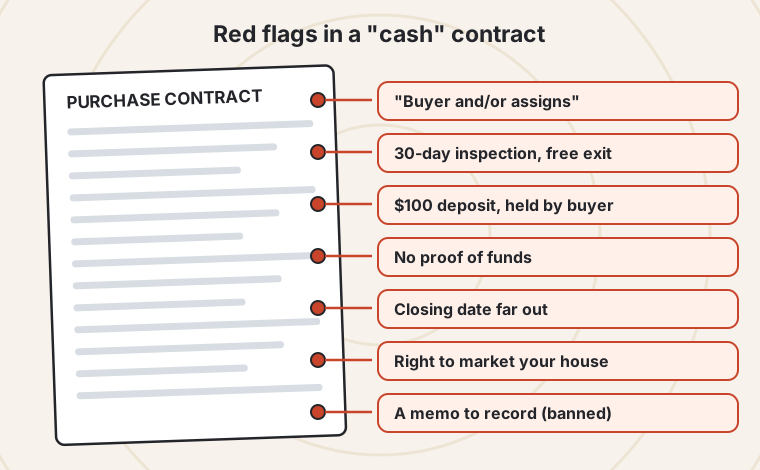
- They say “we are the buyer”, but the contract says “Jerryll and/or assigns”, or lets them assign without telling you.
- They can’t or won’t show proof of funds for whoever will actually close.
- The deposit is very small, or the buyer holds it instead of an attorney, title company or escrow agent.
- The inspection period is long and lets them cancel for any reason.
- The closing date is months away, with no reason given.
- The contract lets them market, list or advertise your house, or bring “partners” through.
- They want to record the contract, a memorandum or an affidavit against your property.
- They ask you for any fee, or ask you to sign a deed or power of attorney before closing.
- They pressure you to sign today, or say the offer disappears in hours.
- In a state with a wholesaling law, they can’t show a license or registration, or the required disclosure. In Connecticut, that’s a DCP registration and the state disclosure report.
- They discourage you from calling an attorney, your lender or a family member.
One flag isn’t proof of a scam. A long inspection period can be reasonable on a house with a crumbling foundation. A buyer who explains each one plainly, and changes the contract when you ask, is behaving honestly. A buyer who gets annoyed is telling you something.
Is it a scam if the buyer lowers the price after the inspection?
A buyer lowering the price after the inspection is not automatically a scam. Inspections do find real problems. It becomes a scam pattern when the first offer was designed to be cut, when the “problems” were visible all along, or when the cut comes after you’ve turned other buyers away. The defense is a short inspection period and a written list of what could change the price.
Ask these before you sign:
- “Have you seen the house, or photos of every room and the basement?” An offer made sight unseen is more likely to move.
- “What exactly could change this number?” Get the answer in writing.
- “How long is the inspection period?” Shorter is better for you. Days, not weeks.
- “If you lower the price, can I cancel and keep the deposit?” Ask for that clause.
If the price drops anyway, you are not obliged to accept. You can say no and let the contract end on its terms. Check that nothing was recorded against your title when it does.
What should you never sign or pay when selling your house?
When selling your house, never pay a fee to the buyer, never sign a deed or a power of attorney before the closing, never sign a contract with blanks in it, and never agree to anything being recorded against your property. Never sign away your house to “stop a foreclosure” without your own attorney reading every page first.
- No fees. A buyer pays you. You don’t pay them.
- No early deed. The deed is signed at closing, where an attorney or title company is handling the money. Oklahoma’s 2025 law specifically bars a wholesaler from having you sign a deed before the cancellation period ends.
- No power of attorney to the buyer or anyone connected to them.
- No blanks. Price, closing date, deposit amount and who holds it should all be filled in before you sign.
- No recording. Add this line: “Buyer shall not record this agreement or any memorandum, affidavit or notice of it.”
- No signing on the spot. Take the contract home. In Connecticut you have three business days to cancel a wholesale contract for any reason anyway (CGS 20-329ccc(a)).
What should you do if you think you’ve been scammed by a house buyer?
If you think you’ve been scammed by a house buyer, stop signing anything, read your contract’s cancellation terms and your state’s wholesaling law, cancel in writing if you’re inside a cancellation window, check your land records for anything recorded, talk to a real estate attorney, and file a complaint with your state’s consumer protection office.
Stop and gather the paperwork
Don’t sign anything else, and don’t agree to a new price over the phone. Collect the contract, any addendums, texts, emails, mailers and the name of everyone you spoke with. Write down dates while you remember them.
Check whether you can still cancel
Look for two things: the cancellation or inspection clause in your contract, and your state’s wholesaling law. Connecticut gives you three business days for any reason. Oklahoma gives two business days, Louisiana at least five days, Delaware 21 days and Pennsylvania 30 days. Several other states let you cancel before closing if the wholesaler skipped the required disclosure. See how to back out of a wholesale contract.
Cancel in writing, the way the contract says
Send your cancellation by the method the contract or the law requires, keep a copy and get proof of delivery. If a state form exists, use it. Oklahoma and Louisiana publish cancellation forms.
Search your land records
Check your town or county land records for any memorandum, affidavit or lien filed under the buyer’s name, now and again a few weeks later. In Connecticut, a recorded wholesale contract or notice has no legal effect, and you can clear it by recording an affidavit of facts (CGS 20-329fff). Elsewhere, ask the filer for a written release, or ask an attorney about a court action to clear title.
Talk to a real estate attorney
An hour with a local attorney is cheap compared with a clouded title or a lost house. Bring every document. In Connecticut the Connecticut Bar Association’s referral service can point you to one.
File a complaint
Report it to your state consumer protection office or attorney general, and to your state real estate commission if the person is licensed or should have been. Your complaint helps the next homeowner too. See the reporting list below.
Where do you report a predatory “we buy houses” company?
You report a predatory “we buy houses” company to your state attorney general’s consumer protection office, your state real estate commission, and the Federal Trade Commission at ReportFraud.ftc.gov. In Connecticut, file with the Department of Consumer Protection, which registers wholesalers. In Philadelphia, the Commission on Human Relations handles Do Not Solicit complaints.
| Where | Report to | Best for |
|---|---|---|
| Connecticut | Department of Consumer Protection | Wholesaler law violations (unregistered, no disclosure report, recorded liens), and licensed agents. Violations are unfair trade practices under CUTPA (CGS 20-329hhh). |
| Any state | Your state attorney general’s consumer protection division | Deceptive offers, price bait-and-switch, foreclosure rescue and equity stripping |
| Any state | Your state real estate commission | Unlicensed brokerage, or a licensed agent’s conduct |
| Nationwide | Federal Trade Commission: ReportFraud.ftc.gov | Scams and fraud, especially if you lost money |
| Philadelphia | Commission on Human Relations | Solicitation after you joined the Do Not Solicit list or told the solicitor no |
| Georgia | Department of Law, Consumer Protection Division | Unsolicited purchase offers missing the required solicitation notices |
Who do house-buying scams target most?
House-buying scams target people under time pressure or with a lot of equity and little help: owners facing foreclosure, heirs who just inherited a house, older homeowners, landlords with problem tenants, and owners of houses that need major repairs. The public record shows foreclosure notices, probate filings and tax records being used to find them.
- Owners facing foreclosure. The Arizona suit alleges door knockers reached homes within minutes of a notice being posted. If you’re behind on payments, your first calls should be to your lender and a HUD-approved housing counselor. Connecticut owners also have the court’s foreclosure mediation program. See selling before foreclosure in Connecticut.
- Heirs. A probate filing is public. Heirs are often grieving, out of state and unsure what the house is worth. Get an independent value before you sign anything. See selling an inherited house in Connecticut.
- Older homeowners. The Kansas suit includes claims about exploiting protected consumers, a category that under Kansas law includes older people.
- Whole neighborhoods. Philadelphia’s council and civil-rights commission described heavy solicitation in specific neighborhoods and tied it to the racial wealth gap.
If you’re helping a parent or relative, ask to see any letter or contract before they sign. A second pair of eyes can stop many of these schemes.
How is a legitimate cash buyer or wholesaler different?
A legitimate cash buyer or wholesaler is different because they tell you in writing whether they will buy or assign, show proof of funds, use an attorney or title company for the deposit and closing, never charge you a fee, hold the required license or registration, and give you time and room to say no. They welcome hard questions.
This page is about spotting the bad actors. Two other pages cover the other side:
- How to check a cash home buyer in Connecticut: the full checklist, including how to verify a DCP registration, read land records and test proof of funds.
- Our company page: every one of those checks, run on us.
The short version: an honest buyer answers “Are you buying my house, or assigning the contract?” in one sentence, and the contract matches the answer.
What protections does Connecticut give sellers against wholesale scams?
Connecticut protects sellers with a wholesaler law in force since July 1, 2026. Wholesalers must register with the Department of Consumer Protection, give you the state disclosure report before you sign, let you cancel within three business days for any reason, close within 90 days unless you agree in writing to extend, and never record the contract against your title.
- Registration with DCP (CGS 20-329bbb). Check it on DCP’s verify-a-license page.
- Disclosure report before you sign (CGS 20-329eee). It warns that the wholesaler may not be the buyer and may profit from an assignment fee.
- Three business days to cancel, for any reason (CGS 20-329ccc(a)).
- 90-day closing limit (CGS 20-329ccc(b)).
- No recorded contract or lien, and any recorded anyway has no legal effect (CGS 20-329fff).
- Violations are unfair trade practices under CUTPA (CGS 20-329hhh).
For the full law and what to do if you already signed, read selling a house to a wholesaler in Connecticut. Laws here are summarized as of October 2026. This is general information, not legal advice.
We are We Buy Houses In Connecticut, LLC. We’ve bought Connecticut houses since 2016, we never charge sellers a fee, and when a house doesn’t fit what we buy, we tell you in writing. Any assignment in Connecticut is handled by a registered wholesaler.
Get a written offer that says plainly how we'd buy it
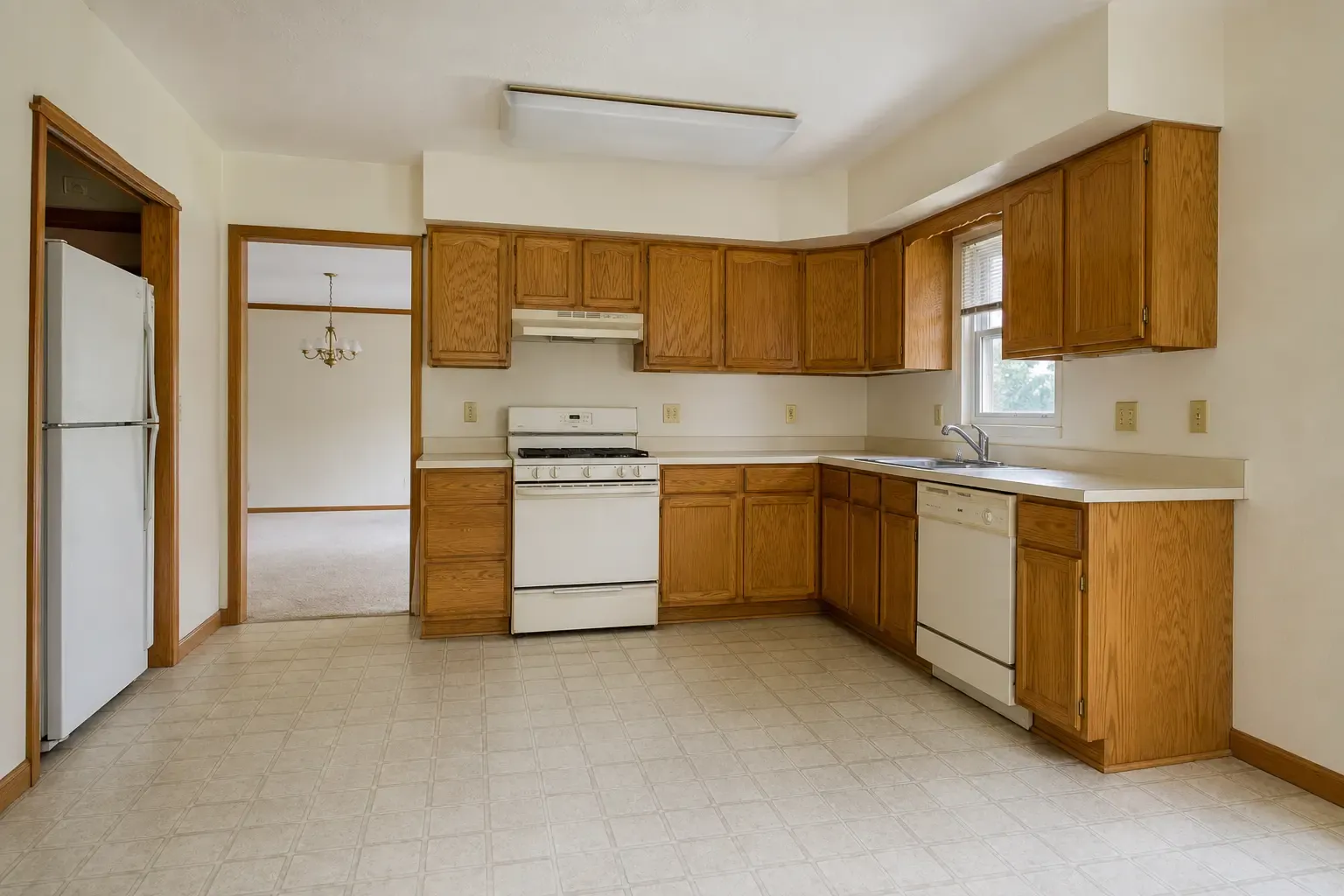
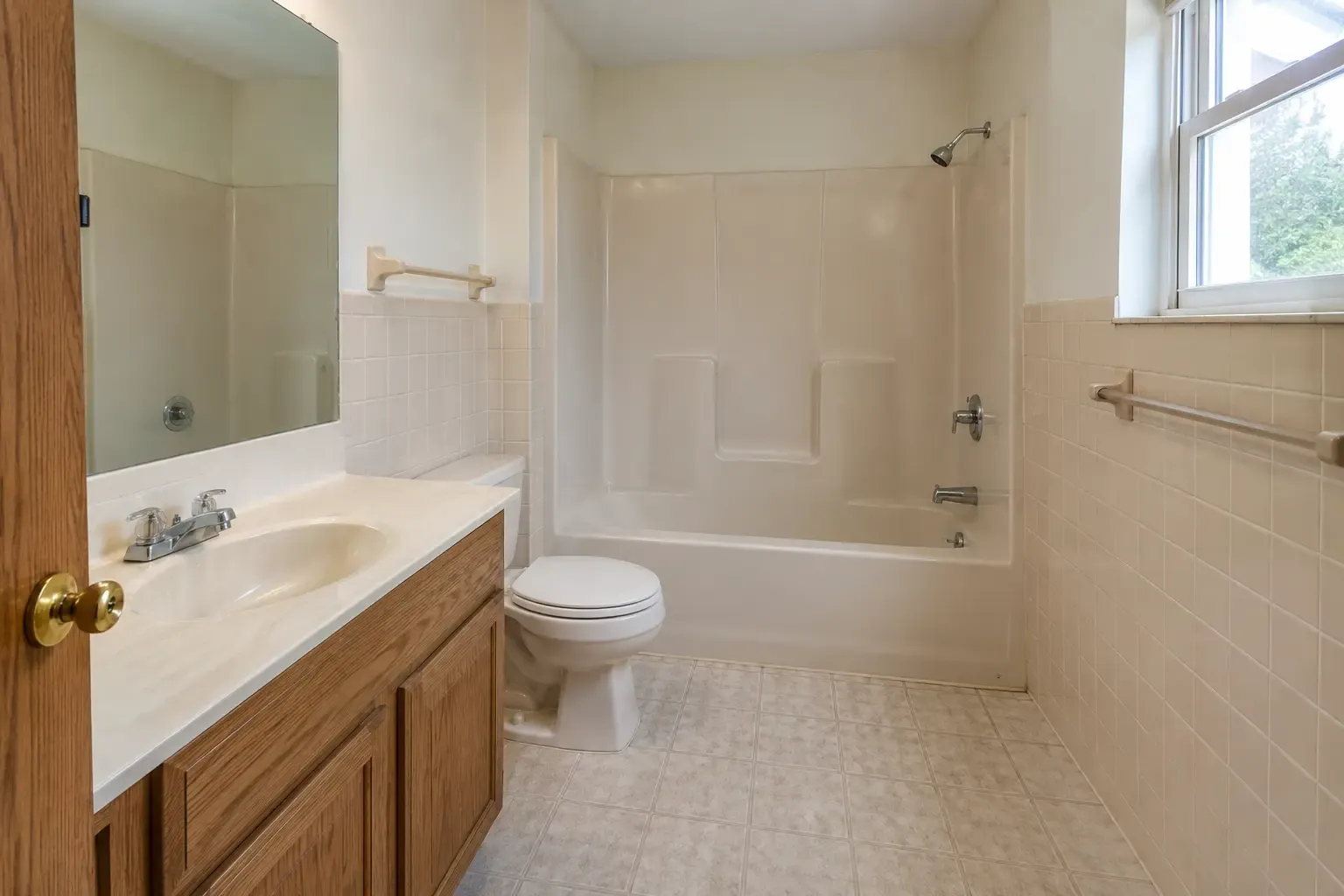
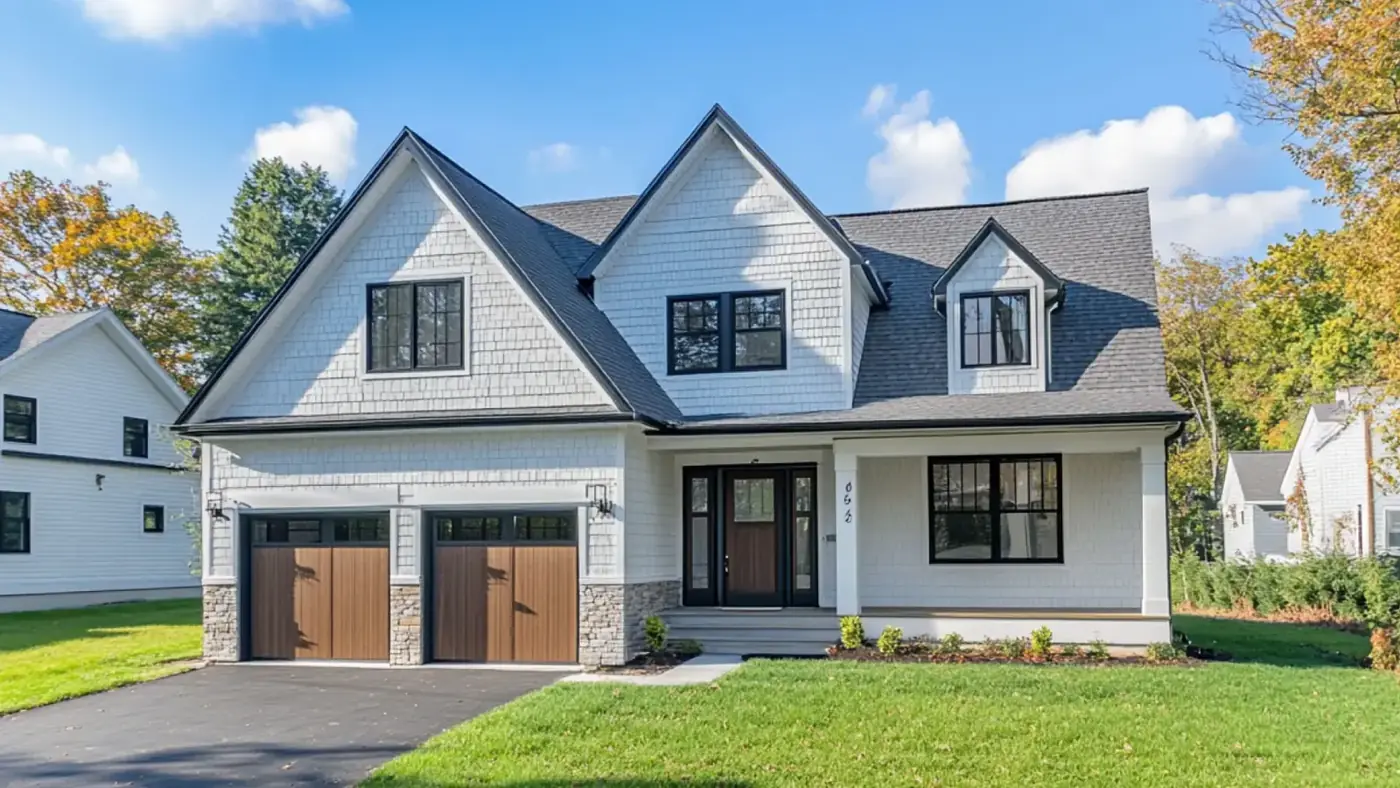
Want your offer faster, or rather not talk to anyone yet? Send a few phone photos. We price the repairs we see and send a written offer that says whether we would buy the house ourselves or bring you a buyer. No fee, no pressure, no expiry tonight. Show it to your attorney.
 CabinetsFlooring
 Tub & tile
 Floors
 Roof
We may bring in a partner buyer to close. Your price and terms don't change.
“We buy houses” scam questions
Are “we buy houses” companies legit?
Many “we buy houses” companies are legit: they buy houses or, as wholesalers, match them with investor buyers and disclose it. Some are not. A legit company tells you in writing whether it will buy or assign, shows proof of funds, uses an attorney or title company for the deposit, and never charges you a fee.
Is wholesaling a scam?
Wholesaling is not a scam. It is a legal way to match a seller with an investor buyer for a fee, and no state we found bans it as of October 2026. It becomes a problem when the wholesaler hides that they won’t buy, can’t close, cuts the price later, or clouds your title.
Is wholesaling illegal?
Wholesaling is not illegal in any state we found as of October 2026, but at least 21 states regulate it. Some require a real estate license or a wholesaler registration. Others require a written disclosure and give you a right to cancel. Breaking those rules can be illegal.
How do I know if a cash home buyer is a scam?
You know a cash home buyer may be a scam if they ask you for a fee, want your deed or a power of attorney before closing, won’t show proof of funds, want to record the contract, pressure you to sign today, or say they’re the buyer while the contract says “and/or assigns”.
Can a cash buyer lower the price after inspection?
A cash buyer can usually lower the price after inspection only by asking, if the contract has an inspection period. You don’t have to accept. If you refuse, the contract ends on its terms. Protect yourself with a short inspection period and a written list of what could change the price.
Should I ever pay a fee to sell my house to an investor?
No. You should never pay a fee to an investor or wholesaler to buy your house. The buyer pays you. You will still pay your normal seller costs at closing, such as transfer tax and your own attorney, but never an “application” or “processing” fee to the buyer.
Can a wholesaler put a lien on my house?
A wholesaler may try to record a memorandum of contract or an affidavit of equitable interest, which can cloud your title. Connecticut, Louisiana and Oklahoma bar this for wholesale contracts, and Texas regulates one-sided memorandums. Add a no-recording clause to your contract.
Who do I report a “we buy houses” scam to?
Report a “we buy houses” scam to your state attorney general’s consumer protection office, your state real estate commission, and the FTC at ReportFraud.ftc.gov. In Connecticut, file with the Department of Consumer Protection. In Philadelphia, solicitation complaints go to the Commission on Human Relations.
Is the check in the “we buy houses” letter real?
No. A check-style mailer is advertising, not money and not a binding offer. Federal postal law says mail with an imitation check must state on the check that it is not negotiable and has no cash value.
What is equity stripping?
Equity stripping is when someone gets a homeowner, often one facing foreclosure, to sell or sign over their house far below its value, sometimes with a promise they can rent or buy it back. The FTC warns that once you transfer the deed, you are not likely to get it back.
Can I cancel a contract with a “we buy houses” company?
You may be able to cancel a contract with a “we buy houses” company, depending on your state and contract. Connecticut gives three business days for any reason on wholesale contracts. Oklahoma, Louisiana, Delaware and Pennsylvania have their own windows, and several states let you cancel if the required disclosure was missing.
Are door-to-door house buyers legit?
Some door-to-door house buyers are legitimate investors, but in-person pressure is a common tactic in foreclosure scams. Never sign at the door. Take the paperwork, check the company, and talk to your lender or an attorney first. Real buyers will wait.
Related guides
- What is real estate wholesaling? The honest guide for homeowners
- Should you sell your house to a wholesaler?
- Memorandum of contract: when a buyer clouds your title
- Can you back out of a contract with a wholesaler?
- Wholesaling laws by state
- All the ways we buy houses in Connecticut
Want a number in writing with no strings? Request your cash offer, or call Jerryll at (203) 529-4712.
Sources
- Kansas Real Estate Commission bulletin on the Attorney General’s wholesaling lawsuit (April 2026).
- Kansas Real Estate Commission testimony on HB 2598 (January 31, 2024).
- Arizona Attorney General: lawsuit against real estate operators and title companies (March 12, 2025).
- Oklahoma Real Estate Commission: wholesaling law.
- Oklahoma SB 1075 (2025), enrolled text.
- North Carolina Real Estate Commission: beware of unlicensed activity (December 2023).
- Connecticut DCP: Real Estate Wholesaling, and DCP news release (2026).
- CGS §§ 20-329aaa to 20-329hhh (Connecticut wholesaler law).
- Texas SB 1577 (2023), Tex. Occ. Code § 1101.0045.
- FTC: Mortgage relief scams.
- 12 CFR § 1015.5 (no advance fees for mortgage assistance relief).
- 39 U.S.C. § 3001(k) (facsimile checks in the mail).
- City of Philadelphia: residential property wholesaler license, and Do Not Solicit list.
- Georgia Department of Law: unsolicited real estate solicitations.
- FTC: ReportFraud.ftc.gov.
Who wrote this
Jerryll Noorden
Jerryll has bought and sold Connecticut houses since 2016 and has sat at more closing tables than he can count, on both sides. Before real estate he was a robotics scientist at NASA, IHMC and IIT. He wrote this guide because the national sites that rank for it skip the Connecticut rules that cost sellers money. When listing or selling it yourself would get you more than a cash offer, he says so.
This guide explains Connecticut rules in plain English. It is not legal or tax advice. Laws change; for your sale, talk to a Connecticut real estate attorney and a tax professional.
