
Connecticut seller’s guide · Facts checked October 27, 2026
What Is a Novation in Real Estate? The Fix-and-List Sale, Explained
How a fix-and-list novation works, what you get paid, the real risks to you as the owner, and what Connecticut law requires, explained from the seller's side.

A novation in real estate is a fix-and-list sale: an investor pays for repairs, a licensed agent lists your house on the open market, you receive an agreed number, and the investor is paid from the sale above it. You stay the owner until closing. In Connecticut, a novation where the investor never takes title may fall under the wholesaler law (CGS 20-329aaa), with a 90-day closing limit and a three-business-day cancel right.
- A novation is a fix-and-list sale, one of the ways we buy houses in Connecticut. An investor pays for and manages repairs on your house, a licensed agent lists it on the open market, you receive an agreed number, and the investor is paid from the sale price above that number.
- You stay the owner until closing. The deed goes straight from you to the final buyer. That is the big difference from a cash sale, and it is also where most of your risk sits.
- It can net you more than a cash offer on a house with equity that mainly needs cosmetic work. It takes months instead of weeks, and the result depends on the market.
- Connecticut’s wholesaler law may apply. It does not use the word “novation”, but its definition covers anyone who, for pay and without taking title, arranges the sale of your house to someone else (CGS 20-329aaa). If it applies, you get the state disclosure report, three business days to cancel and a 90-day closing limit.
- Protect yourself with one written agreement that sets your number, the end date, who pays if it doesn’t sell, and what happens to the repairs. Have your own Connecticut attorney read it.
- If your house is already updated, listing it yourself with an agent is usually the better deal. This guide says when.
What is a novation in real estate?
A novation in real estate is an agreement where an investor fixes up your house and sells it on the open market for you, instead of buying it. You keep ownership, the investor pays for repairs, a licensed agent lists the house, and when it sells you receive an agreed number. The investor is paid from whatever the sale brings above that number.
The word comes from contract law. A novation replaces one contract, or one party to a contract, with a new one, with everyone’s consent. In investor practice, it usually works like this: you and the investor sign an agreement first. When a retail buyer is found, a new purchase contract is signed directly between you and that buyer, which takes the place of your agreement with the investor. Investors also call it a “fix-and-list”, a “fix and flip without the flip”, or a “partnership” sale.
It sits between the two sales most people know. A cash sale is fast and certain but pays an investor price. A listing pays the open-market price but only if you pay for repairs and wait. A novation tries to give you more of the open-market price without you paying for repairs.
Why would an investor offer a novation instead of just buying my house?
An investor offers a novation instead of buying your house when a straight cash price wouldn’t work for you, usually because the house is worth a lot more once updated and a cash offer would leave too much on the table. With a novation, the investor doesn’t need the full purchase money, and you can get closer to the retail price.
A cash buyer has to pay for the house, the repairs, two closings, the holding costs and the risk, and still make a profit. So a cash price is always below what the fixed-up house would sell for. When the house mostly needs cosmetic work, that gap can be large, and a novation lets you share in it.
There is also a practical reason. Because you remain the owner of record, the final buyer buys directly from you. Federal FHA rules generally won’t insure a mortgage on a house resold within 90 days of the seller acquiring it, and they require that the house be bought “from the owner of record” (24 CFR 203.37a). A novation sale is a sale by the long-time owner, so buyers using FHA and other mortgages can usually buy it. That widens the pool of buyers, which helps the price.
How does a novation sale work, step by step?
A novation sale works in six steps: the investor walks the house and estimates the after-repair value, you agree in writing on your number and the end date, the repairs are done, a licensed agent lists the house on the MLS, you sign a purchase contract with the final buyer, and a Connecticut attorney closes the sale and pays everyone.
The investor looks at the house and the numbers
They estimate the after-repair value from recent sales of similar updated houses nearby, and price the repairs. You should see both, in writing.
You sign one written agreement
It names your agreed number, the repairs planned, who pays for what, how the listing price is set, the end date, and what happens if the house doesn’t sell. If Connecticut’s wholesaler law applies, you also get the state disclosure report before signing and three business days to cancel (see the law). Have your own attorney read it first.
The repairs are done
Work on your house should be done by contractors registered with the Connecticut Department of Consumer Protection, with permits where the town requires them. You should get a scope of work, a schedule and proof each contractor was paid.
A licensed agent lists the house
Because you own the house, you sign the listing agreement with a Connecticut-licensed broker. It goes on the MLS like any other listing.
You sign the contract with the final buyer
The buyer’s contract is with you, as the owner. Your agreement with the investor should say how offers are accepted and that no offer can be accepted that pays you less than your agreed number without your written consent.
An attorney closes and pays everyone
At closing, the Connecticut closing attorney pays off your mortgage and liens, collects the conveyance tax, pays the agents, pays the investor what your agreement says, and sends you your money. Every payment appears on the closing statement, so you can see it.
How does the money work in a novation?
The money in a novation works from the top down. The house sells at market price. Out of that come your mortgage payoff, the agents’ commissions, the Connecticut conveyance tax, closing costs and the repair costs. You receive your agreed number, and the investor receives what is left. Your agreement must say exactly which of those costs come out of your number and which come out of the investor’s share.
There are two common ways to set your share:
- A fixed net number. You are guaranteed a set amount at closing, for example “you walk away with $X after your mortgage is paid”. The investor takes the market risk and keeps any upside.
- A split. You receive a base amount plus a share of anything above it. You share in a good result, and you share the risk of a weak one.
Either can be fair, if you know in writing what “your number” includes. Ask about each of these:
- Commissions. The listing and buyer agents are paid at closing. Is that inside your number or on top of it? See the costs of listing with an agent in Connecticut.
- Conveyance tax. As the seller, you owe Connecticut’s real estate conveyance tax on the full sale price, not on your agreed number (CGS 12-494). Check who pays it. See the Connecticut conveyance tax by town.
- Carrying costs. You still own the house, so your mortgage, taxes, insurance and utilities keep coming due. Who pays them?
- Repairs. Who pays if the repairs cost more than planned? And if the house doesn’t sell, do you owe anything for repairs already done?
- Taxes on the sale. The full sale price is what gets reported for your sale. Ask a tax preparer how the payment to the investor is treated in your case.
Composite example. The numbers below are round and illustrative, not a promise and not one specific customer. Picture a 1960s ranch in central Connecticut with dated carpet, an old kitchen and a tired bathroom. An investor’s as-is cash offer would be around $280,000. Similar updated ranches nearby are selling for around $400,000. A fix-and-list partner agrees to pay for about $30,000 of cosmetic work and offers the owner a fixed $320,000, with the commissions, the repairs and the investor’s costs all coming out of the rest of the sale price. The house is updated and listed, and it sells after a few months. The owner’s number is $40,000 more than the cash offer, but the owner waited months instead of weeks and kept paying the mortgage, taxes and insurance in the meantime. If the market had softened and the house had sold for less, the investor’s share would have shrunk first, but only because the agreement said so.
If you want to check whether any investor number is reasonable, read what a fair offer for your house looks like.
What is the difference between a novation and wholesaling?
The difference between a novation and wholesaling is who buys your house and at what price. In wholesaling, your contract is assigned to another investor who buys the house as-is at an investor price, usually within weeks. In a novation, the house is repaired and sold on the open market to a retail buyer, usually over months, for a higher price.
They have one thing in common that matters a lot in Connecticut: in both, the person you sign with usually never takes title to your house. That is why both can fall under the state’s wholesaler law.
| Novation (fix-and-list) | Wholesaling (assignment) | |
|---|---|---|
| Who buys your house | A retail buyer from the open market | An investor from the wholesaler’s buyer network |
| Condition at sale | Repaired and updated | As-is |
| Listed on the MLS | Yes, by a licensed agent | No |
| Typical timing | Months | Weeks |
| Your price | An agreed number, often higher than a cash price | An investor price, fixed in the contract |
| Who owns it until closing | You | You |
| Main risk to you | The house doesn’t sell, or repairs go wrong | The wholesaler can’t find a buyer |
| Connecticut wholesaler law | Likely applies if the investor never takes title (see below) | Applies |
For a three-way look at agents, wholesalers and cash buyers, see wholesaler vs. realtor vs. cash buyer.
How does a novation compare with a cash sale and a listing?
A novation compares with a cash sale and a listing as the middle option. A cash sale is the fastest and most certain, at an investor price. A listing usually pays the most for an updated house, but you pay for any repairs yourself. A novation can pay more than cash without you paying for repairs, but it takes months and the result depends on the market.
| Cash sale | Novation (fix-and-list) | Listing with an agent | |
|---|---|---|---|
| Who pays for repairs | Nobody before closing; the buyer fixes it after | The investor, per your agreement | You, or you sell as-is for less |
| Typical timing | Weeks | Months | Months |
| Your price | Investor price, as-is | Agreed number, often between the two | Market price, usually highest for updated houses |
| Certainty | High once signed | Depends on repairs and the market | Depends on the market and buyer financing |
| Showings | None or one walkthrough | Yes, during the listing | Yes |
| Your costs while waiting | None after closing | Mortgage, taxes, insurance, unless the agreement covers them | Mortgage, taxes, insurance |
| Commission | None | Yes, paid from the sale | Yes, paid from the sale |
| Best for | Speed, big repairs, deadlines | Equity plus cosmetic repairs, a few months to wait | Updated houses, no deadline |
Is a novation right for me?
A novation is right for you if you have good equity, the house mainly needs cosmetic updating, you can wait a few months and you can keep up with the mortgage and bills while it sells. It is not right for you if you need cash in weeks, you are facing a foreclosure date, the house needs major structural work, or you owe close to what it’s worth.
A novation may fit if…
- You owe well below what the updated house would sell for
- The work is mainly cosmetic: paint, floors, kitchen, bath, cleanout, landscaping
- You can wait three to six months or so
- You can keep paying the mortgage, taxes and insurance, or the agreement covers them
- You don’t have the cash or energy to manage repairs yourself
- Similar updated houses near you are selling
A novation is probably not for you if…
- You need your money in weeks
- You have a foreclosure Law Day, a tax sale or another hard deadline
- You owe close to the value, so there’s no room for repairs and a profit
- The house needs a foundation, roof structure or a full gut
- You are behind on payments and can’t carry the house for months
- You want a clean break with no further decisions
If you owe close to the value or need relief from the payments now, read about selling your house subject-to. If you don’t need to sell today at all, a lease option may fit better. If you want the fastest, simplest route, a cash sale is still the answer for most people.
What are the risks of a novation for the seller?
The risks of a novation for the seller are that the house is tied up during repairs and the listing, that it may not sell for enough, that you may owe for repairs or carrying costs if it doesn’t sell, and that unpaid contractors can file a mechanic’s lien on your house. Because you stay the owner, most problems land on you unless the agreement shifts them.
- Your house is tied up. While the agreement runs, you usually can’t sell to anyone else. If it has no clear end date, it can drag on.
- The market decides. The after-repair value is an estimate. If prices dip or the house sits, the sale may bring less than planned.
- It might not sell. Then what? Some agreements make the seller repay the repair costs. That can turn a “no-cost” deal into a bill.
- You keep paying. Mortgage, taxes, insurance and utilities continue for months unless the agreement says otherwise. Missed payments hurt your credit, not the investor’s.
- Mechanic’s liens. In Connecticut, a contractor who isn’t paid for work done with the owner’s consent, or through someone acting for the owner, can put a lien on the house (CGS 49-33). That is your house, even if the investor hired them.
- Insurance gaps. A house under renovation, or empty, may not be covered by your normal homeowner’s policy. Call your insurer before work starts.
- Recorded documents. Some agreements record a memorandum on your land records. If the agreement falls under Connecticut’s wholesaler law, that is prohibited (CGS 20-329fff).
- Losing control of offers. Watch for clauses that let the investor accept or reject offers on your house without you, or a power of attorney over the sale.
How do I protect myself in a novation agreement?
You protect yourself in a novation agreement by getting everything in one written contract your own attorney has read: your agreed number and what it includes, a firm end date, who pays for repairs and carrying costs if the house doesn’t sell, lien waivers from contractors, insurance during the work, and your right to approve the listing price and any offer below your number.
Use this as a checklist. If a clause is missing, ask for it.
- Your number, in dollars, and a list of every cost that comes out of it: mortgage payoff, commissions, conveyance tax, closing costs.
- A firm end date. When it passes, the agreement ends and you are free. Any extension must be in writing and signed by you.
- The “doesn’t sell” clause. Exactly what happens if there is no sale by the end date, including whether you owe anything for repairs, and how much at most.
- A written scope of work and budget, with the contractors’ DCP registration numbers. Check them on DCP’s verify-a-license page.
- Lien waivers. Signed releases from each contractor and supplier as they are paid, so nobody can lien your house later.
- Insurance. Contractors’ liability and workers’ compensation certificates, and confirmation from your own insurer that the house is covered during the work and while empty.
- Lead paint safety. If the house was built before 1978, work that disturbs paint should be done by an EPA-certified renovation firm (EPA RRP rule).
- Your approval rights. You approve the listing price, any price reduction, and any offer that would pay you less than your number.
- Your own agent relationship. You sign the listing agreement, and you know whom the agent represents.
- Nothing recorded against your house, and no broad power of attorney.
- Proof the investor can pay for the repairs, before work starts.
“If my house hasn’t sold by the end date, what do I owe you, and what happens next?” A trustworthy partner answers that in one or two sentences, and the answer matches what is in the written agreement.
Before you sign with anyone, run the checks in how to check a cash home buyer in Connecticut.
Is a novation legal in Connecticut, and does the wholesaler law apply?
A novation is legal in Connecticut, and as of October 2026 the state’s wholesaler law may well apply to it. That law does not mention novations by name, but it covers anyone who, for compensation and without taking title, arranges the sale of your one-to-four-family home to a third party. Many novation agreements fit that description.
Connecticut’s wholesaler law came from Public Act 25-168 and took effect July 1, 2026, as Connecticut General Statutes sections 20-329aaa to 20-329hhh (chapter 392a). What decides whether it covers your deal is the definition in section 20-329aaa. A “real estate wholesale contract” is an agreement in which the wholesaler “agrees, or reasonably expects or intends” to “facilitate or orchestrate the sale of such property to a third party”, for compensation, “without assuming title to such property”.
Now compare that with a typical novation. The investor never takes title. The investor is paid from the sale. The whole point of the agreement is to get your house sold to a third party. Read plainly, that matches. The statute has no exception for repairs or for listing with an agent, and the Department of Consumer Protection says there are no exceptions to registration (DCP: real estate wholesaling). We found no court decision or DCP guidance yet that addresses novations directly, so treat this as our reading of the text, not a ruling.
- The investor acting as the wholesaler must hold a DCP wholesaler registration (CGS 20-329bbb).
- Before you sign, you receive the state’s written wholesale disclosure report, and you both sign it (CGS 20-329eee).
- Three business days to review it with an attorney and cancel, for any reason, with no penalty (CGS 20-329ccc(a)).
- A closing date no more than 90 days after everyone signs, unless you agree in writing to extend it. Otherwise the agreement ends automatically (CGS 20-329ccc(b)). For a novation that needs repairs and a listing, expect a written extension, and only sign one you are comfortable with.
- You give a written property condition report before signing (CGS 20-329ddd).
- Nothing about the agreement may be recorded on your land records (CGS 20-329fff).
- Violations are unfair trade practices under CUTPA, and you can complain to DCP (CGS 20-329hhh).
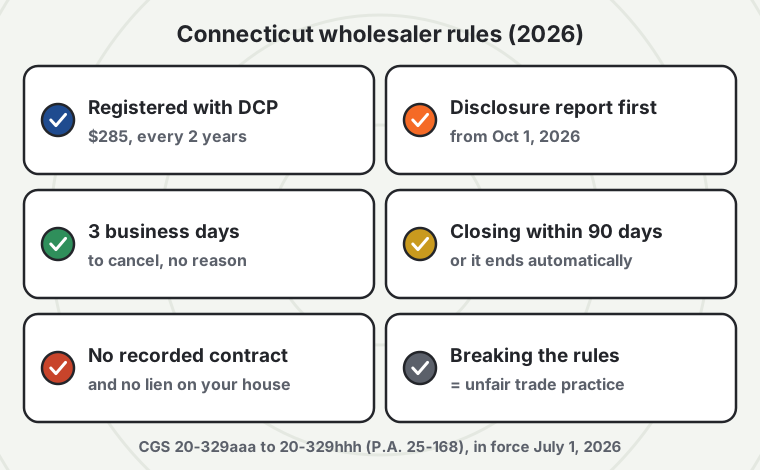
The law’s own disclosure report is worth reading even if your deal turns out not to be covered. It warns that the other party “may not be the person or entity purchasing your property”, that they may profit, and that the price is negotiable (CGS 20-329eee). Every one of those points is true of a novation. For a deeper look at the Connecticut law, including what to do if you already signed, read selling a house to a wholesaler in Connecticut: what to expect.
This is general information as of October 2026, not legal advice. Have a Connecticut real estate attorney review any novation agreement before you sign. The Connecticut Bar Association can refer you to one.
Why does a licensed agent have to list the house?
A licensed agent lists the house because in Connecticut, marketing and negotiating the sale of someone else’s property for a fee is the real estate business, and that requires a real estate license. An investor who doesn’t own your house generally can’t list it for you. You sign the listing with a licensed broker, as the owner.
Connecticut defines engaging in the real estate business as acting “for another and for a fee” to list, sell or negotiate the sale of real estate (CGS 20-311), and no one may do that without a license (CGS 20-312). Owners selling their own property are exempt (CGS 20-329), which is exactly why the listing is in your name. A broker can only collect a commission under a written agreement signed by the person they serve (CGS 20-325a).
That has a benefit for you. The listing agent owes duties to the person they represent, and Connecticut requires agents to disclose whom they represent (CGS 20-325d). Ask the agent, before you sign the listing: “Do you represent me, or the investor?” You want the answer to be you.
Who can do the repairs on my house, and what if something goes wrong?
The repairs on your house should be done by contractors registered with the Connecticut Department of Consumer Protection, under written contracts, with permits where the town requires them. Because you own the house, problems with the work can become your problems, so you need proof of registration, insurance, permits and payment for every job.
- Registration. Connecticut requires home improvement contractors to register with DCP, and a home improvement contract must be in writing and include the contractor’s registration number and a start and completion date (CGS 20-420, 20-429).
- Permits. Structural, electrical, plumbing and heating work usually needs a permit from your town’s building department. Unpermitted work can come up in the buyer’s inspection and delay the sale.
- Disclosure. When you sell, you still give the buyer Connecticut’s residential property condition report, and it should reflect the repairs (the Connecticut property condition disclosure). For houses built before 1978, the federal lead paint disclosure applies too (EPA).
- Liens. Ask for a lien waiver each time a contractor is paid. Your closing attorney will also check the land records for liens before closing.
Do other states regulate novations?
Yes, some states now regulate novations directly. Ohio is the clearest example: its wholesaler disclosure law, in effect since March 2, 2026, expressly covers both assignments and novations of a purchase contract, and requires a separate signed disclosure before the contract. Other states regulate wholesaling generally, and depending on their wording, those rules may reach novations too.
Ohio’s law (R.C. 5301.95) is a useful national benchmark because it names novations explicitly, where Connecticut’s law reaches them, if at all, through its broad definition. If your house is outside Connecticut, check your state’s wholesaling or real estate licensing law, and ask a local real estate attorney. Our state-by-state table is in wholesaling laws by state.
When is listing with an agent better than a novation?
Listing with an agent is better than a novation when your house is already in good shape, or when you can pay for the repairs yourself. In both cases you keep the part of the sale price a novation partner would earn. A novation only makes sense when you can’t or don’t want to fund and manage the work.
A novation can make sense if…
- The house needs updating to reach full price
- You don’t have the cash for repairs, or don’t want to borrow it
- You can’t manage contractors, maybe because you live away or it’s an inherited house
- You’d rather share the upside than pay for the work yourself
List it yourself with an agent if…
- The house is already updated and shows well
- You can pay for a few cosmetic fixes yourself
- Buyers with mortgages can buy it as it is
- You want every dollar above the commission
- Your area has more buyers than houses
Run your numbers both ways: cash buyer vs. realtor in Connecticut shows what you’d keep with each.
How do we handle a fix-and-list partnership in Connecticut?
When we offer a fix-and-list partnership, we pay for the repairs, the house is listed on the MLS by a licensed Connecticut agent, you receive the number we agree on in writing, and we are paid from the sale above that number. A Connecticut attorney closes, and every payment is on the closing statement.
- We tell you plainly, in writing, that this is a fix-and-list partnership, not a cash purchase, and we show you the cash offer next to it so you can compare.
- Your agreed number, the repair plan, the end date and what happens if it doesn’t sell are all in one written agreement. Your attorney is welcome to read it and change it.
- The listing is done by a licensed agent, in your name, as the owner.
- You never pay us a fee.
- Any Connecticut agreement that falls under the state’s wholesaler law is handled by a registered wholesaler, so you get the protections that law gives you: the state disclosure report, three business days to cancel, and a closing within 90 days unless you agree in writing to extend it.
- If listing the house yourself would get you more, we will tell you that instead.
We have been buying Connecticut houses since 2016, about ten a year. You can check us out on our company page.
Send a few photos and see a cash offer next to a fix-and-list number
Want your offer faster, or rather not talk to anyone yet? Snap the rooms on your phone. We price the repairs we see and send back a written cash offer, plus a fix-and-list option if your house is a good fit for one. No obligation.
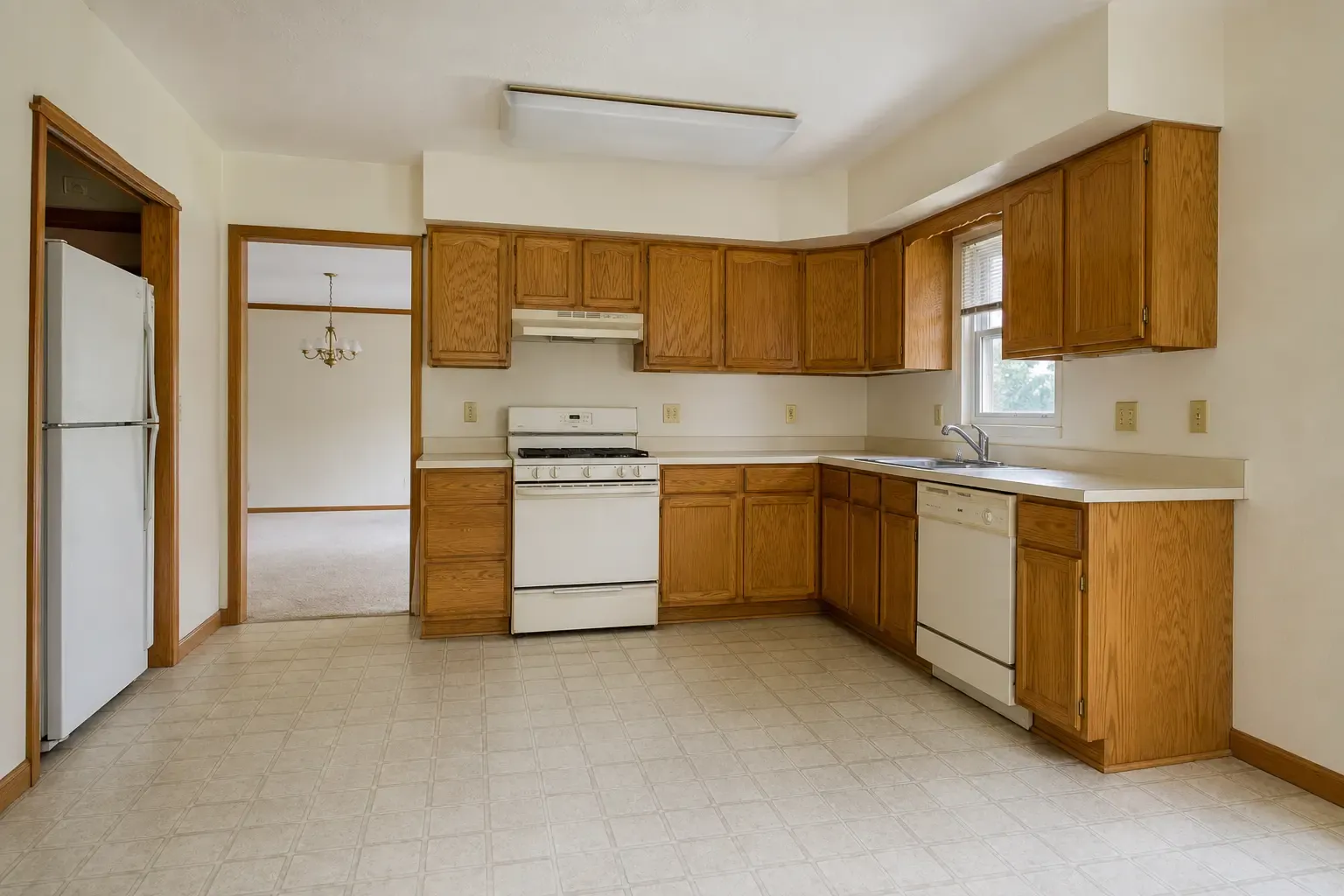 CabinetsFlooring
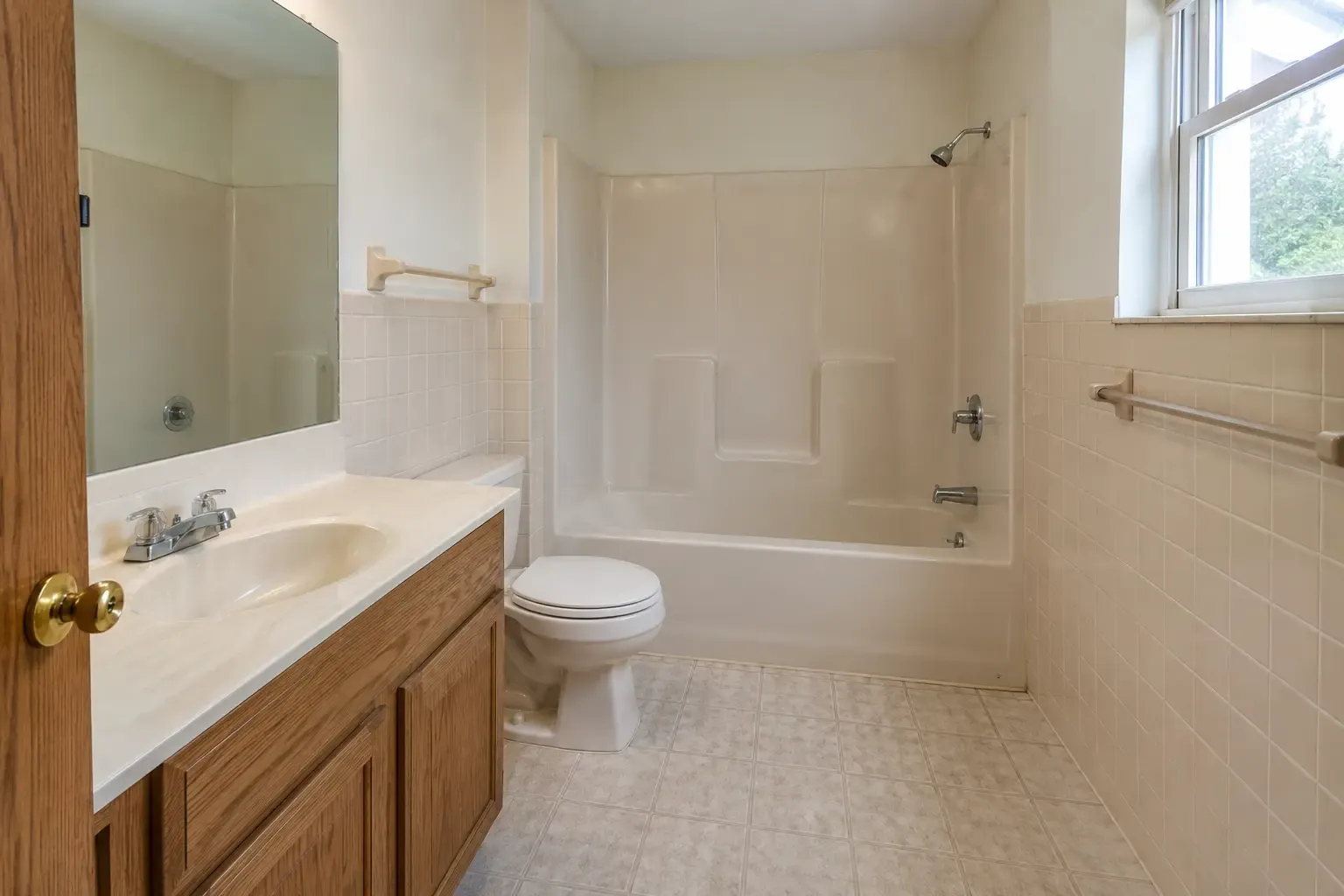 Tub & tile
 Floors
 Roof
We may bring in a partner buyer to close. Your price and terms don't change.
How does a novation fit my situation?
A novation fits best when a house has good equity and needs cosmetic updating, and the owner has time but not the cash or energy for the work. It fits poorly when there’s a hard deadline or little equity. Each situation has its own Connecticut rules, so read the guide for yours.
- Inherited a house? A novation can work well for an estate that has equity and a dated house, but the executor signs and the Probate Court may need to approve the sale. See selling an inherited house in Connecticut.
- House needs repairs? If the work is cosmetic, a novation may get you more. If it’s structural, a cash sale is usually better. See selling a house that needs repairs.
- Facing foreclosure? A novation is usually too slow for a Law Day. See selling before foreclosure in Connecticut.
- A rental with tenants? A novation usually needs the house empty. See selling a rental with tenants in Connecticut.
Novation questions homeowners ask
What is a novation in real estate?
A novation in real estate is an agreement where an investor pays for repairs and has your house listed and sold on the open market, instead of buying it. You stay the owner, you receive an agreed number at closing, and the investor is paid from the sale price above that number.
What is a novation agreement?
A novation agreement is the written contract between you and the investor that sets your agreed number, the repairs, who pays what, the end date and what happens if the house doesn’t sell. When a buyer is found, a new purchase contract between you and that buyer replaces it, which is where the word “novation” comes from.
What is the difference between a novation and a wholesale deal?
In a wholesale deal, your contract is assigned to another investor who buys the house as-is, usually within weeks. In a novation, the house is repaired and sold on the open market to a retail buyer, usually over months, for a higher price. In both, the person you sign with usually never owns your house.
Is a novation legal in Connecticut?
Yes. But as of October 2026, Connecticut’s wholesaler law (CGS 20-329aaa to 20-329hhh) may apply, because it covers anyone who, for pay and without taking title, arranges the sale of your home to a third party. If it applies, you get a state disclosure report, three business days to cancel and a 90-day closing limit unless extended in writing.
Who pays for the repairs in a novation?
Usually the investor pays for the repairs up front. The key question is what happens if the house doesn’t sell: some agreements require the owner to repay the repair costs. Make sure your agreement says, in dollars, what you would owe in that case.
Do I still pay my mortgage during a novation?
Usually yes, because you still own the house. Your mortgage, taxes, insurance and utilities keep coming due until closing unless your agreement says the investor covers them. Missed payments hit your credit.
How long does a novation take?
A novation usually takes several months: repairs, then time on the market, then a normal closing. A cash sale often closes in about two weeks. Your agreement should have a firm end date.
What happens if the house doesn’t sell?
That depends entirely on your agreement. It might end and leave you with an improved house, it might require you to repay repair costs, or the investor might offer to buy the house for cash. Agree on this in writing before any work starts.
Can the investor put a lien on my house in a novation?
If the agreement is covered by Connecticut’s wholesaler law, nothing about it may be recorded on your land records (CGS 20-329fff). Separately, an unpaid contractor can file a mechanic’s lien on your house (CGS 49-33), so ask for lien waivers as each contractor is paid.
Do I pay a commission in a novation?
A licensed agent lists the house, so agent commissions are paid at closing from the sale price. Whether they come out of your agreed number or the investor’s share depends on your agreement. Ask for a written breakdown of every cost before you sign.
Related guides
- Every way we can buy your house in Connecticut
- How wholesaling works, and how it differs from a novation
- Selling your house subject-to
- Lease option and rent-to-own
- Cash buyer vs. realtor in Connecticut
- What is a fair offer for my house?
- Is owner financing a good idea for the seller?
Want to see a cash offer and a fix-and-list number side by side? Get your written offer, or call Jerryll at (203) 529-4712.
Sources
- Connecticut General Statutes chapter 392a, §§ 20-329aaa to 20-329hhh (real estate wholesalers; P.A. 25-168, effective July 1, 2026).
- Connecticut Department of Consumer Protection: Real Estate Wholesaling (registration, seller rights, FAQ).
- CGS chapter 392, §§ 20-311, 20-312, 20-325a, 20-325d, 20-327b, 20-329 (real estate licensing, listing agreements, agency disclosure, condition report, owner exemption).
- CGS chapter 400, §§ 20-419 to 20-429 (Home Improvement Act: contractor registration and contracts).
- CGS § 49-33 (mechanic’s liens).
- CGS § 12-494 (real estate conveyance tax).
- DCP: verify a license or registration.
- DCP: file a complaint.
- Ohio Revised Code § 5301.95 (wholesaler disclosure for assignments and novations, effective March 2, 2026).
- 24 CFR § 203.37a (FHA property flipping rule).
- EPA: Renovation, Repair and Painting Program (lead-safe work in pre-1978 homes).
- EPA: lead-based paint disclosure for pre-1978 homes.
Who wrote this
Jerryll Noorden
Jerryll has bought and sold Connecticut houses since 2016 and has sat at more closing tables than he can count, on both sides. Before real estate he was a robotics scientist at NASA, IHMC and IIT. He wrote this guide because the national sites that rank for it skip the Connecticut rules that cost sellers money. When listing or selling it yourself would get you more than a cash offer, he says so.
This guide explains Connecticut rules in plain English. It is not legal or tax advice. Laws change; for your sale, talk to a Connecticut real estate attorney and a tax professional.
