
Connecticut seller’s guide · Facts checked October 26, 2026
Assignment Fee in Real Estate: What It Is and Who Pays It
How real estate wholesalers get paid, who really pays the fee, what it means for your price, and how to see and negotiate it before you sign.

An assignment fee is what an end buyer pays a wholesaler to take over the wholesaler’s contract to buy your house. The end buyer pays it on top of your contract price, usually at closing, so your price doesn’t change. No law sets the amount. In Connecticut, the state’s required disclosure report tells you the wholesaler may be paid through an assignment fee (CGS 20-329eee).
- An assignment fee is what an end buyer pays a wholesaler for the right to take over your purchase contract. It is how most wholesalers make money. (The bigger picture is in our guide to how real estate wholesaling works.)
- The end buyer pays it, on top of your contract price. It isn’t deducted from the price you signed for.
- But it isn’t free money either. The fee is part of what the end buyer decided they could pay for your house. That is the honest trade-off.
- There is no standard or legal fee amount. It varies by house and deal. Anyone quoting you a “typical” percentage is guessing.
- You can ask to see it. In an assignment, the fee is written in the assignment agreement and usually shows on the closing paperwork. In a double close, you won’t see it.
- Several states now make wholesalers tell you they intend to profit, including Connecticut, whose disclosure report says the wholesaler may be paid through an assignment fee.
What is an assignment fee in real estate?
An assignment fee in real estate is the amount an end buyer pays a wholesaler to take over the wholesaler’s contract to buy a house. The wholesaler signs a purchase contract with the seller, then assigns that contract to the end buyer, who closes with the seller at the original price and pays the wholesaler the fee, usually at closing.
Think of the purchase contract as a ticket. The wholesaler holds a ticket that says “this person may buy 12 Elm Street for $200,000 by March 1”. They don’t plan to use it themselves. They sell the ticket to an investor who wants the house. The price the investor pays for the ticket is the assignment fee.
What changes for you, the seller? Your price, your closing date and your terms stay the same. The name on the deed is the end buyer’s, not the wholesaler’s. And the money at closing comes from the end buyer.
The fee has other names. You may see it called a wholesale fee, a finder’s fee or an assignment of contract fee. They all mean the same thing. This page explains where it comes from, who pays it, what it means for your price, and what state laws now say about it.
How do wholesalers make money?
Wholesalers make money mainly in one of two ways: an assignment fee, paid by the end buyer for taking over the purchase contract, or a price spread in a double close, where the wholesaler buys the house and resells it the same day for more. Either way, the wholesaler is paid only if the deal closes, and the money comes from the end buyer.
- Assignment fee. The most common way. The wholesaler assigns the contract and is paid a fee at closing. Your contract price doesn’t change.
- Double-close spread. The wholesaler takes title for a moment: they buy from you in one closing and sell to the end buyer in a second closing, usually the same day. Their profit is the difference between the two prices, minus the extra closing costs. You only see your own price. See double closing in real estate.
- Other arrangements. Some investors also offer novation, where they fix up and sell your house on the open market and you split the result in a way set out in writing. That is a different deal, with different risks. Ohio’s 2026 law covers novations as well as assignments.
What a wholesaler does not do, if they are honest, is charge you anything. A wholesaler who asks the seller for an upfront fee, an “application” charge or a cut of your proceeds is a red flag.
Who pays the assignment fee: the buyer or the seller?
The end buyer pays the assignment fee, not the seller. It is paid on top of the price in your purchase contract, usually through the closing attorney or title company at closing. You receive your full contract price, less your own normal seller costs such as a mortgage payoff, transfer taxes and your attorney.
Here is a simple picture, the same one we use in our main guide.
- You sign a contract to sell your house for $200,000.
- The wholesaler finds an investor who agrees to take over that contract and pay a $15,000 fee.
- At closing, the investor pays $200,000 toward your price and $15,000 to the wholesaler: $215,000 in total.
- You receive $200,000, less your usual costs. The wholesaler receives $15,000. The investor gets the deed.
Illustration only, not a typical or promised fee.
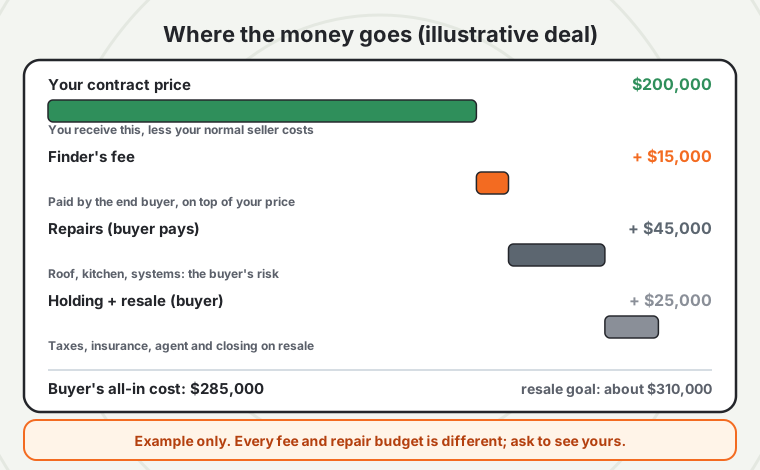
Technically, then, the seller pays nothing toward the fee. But “who pays” has a second, more honest answer, which is the next question.
Does the assignment fee come out of my money?
The assignment fee doesn’t come out of your contract price, but it does come out of the deal. The end buyer decided what the house was worth to them in total. Whatever they pay the wholesaler is money they could, in theory, have offered you directly. That is the real trade-off of selling through a wholesaler, and you deserve to see it plainly.
In the illustration above, the investor was willing to spend $215,000 in total. So the honest question is: “Could I have gotten $215,000?”
Maybe some of it. To get it, though, you would have had to:
- find that particular investor yourself, out of everyone who buys houses;
- check that their money was real and their closings actually happen;
- negotiate the price and the contract with them;
- carry the risk that they back out late, after you turned others away.
The fee pays for the network, the vetting, the matching and the work of getting the deal closed. For a house that needs heavy repairs, has tenants, or has a deadline attached, many owners decide that’s worth it. On a house where buyers would line up, it often isn’t, and you’d do better calling several direct buyers or listing with an agent.
Nebraska’s real estate commission puts the point bluntly. Its required addendum has the owner acknowledge that the contract is being marketed for a profit, and that the owner won’t get any of that profit unless the purchase agreement says otherwise. That is true almost everywhere, whether or not your state makes anyone say it.
How much is a typical assignment fee?
There is no typical assignment fee. No law sets one, and fees vary widely with the house, the market, the repairs and how hard the deal was to find. An honest answer to “how much will you make?” is a specific number for your deal, in writing, not a percentage someone read online. Ask for it before you sign, or at least before closing.
You’ll find websites quoting “average” fees or percentages. We don’t repeat them, because we have never seen one based on real closing data, and none of the regulators we checked publish one. What we can tell you is what makes a fee bigger or smaller:
- The gap between your price and what end buyers will pay. The fee lives in that gap. A low contract price leaves room for a big fee.
- How many buyers want the house. If several investors compete for the contract, the fee rises. If only one buyer fits, it shrinks.
- The work involved. Tenants, probate, title problems or a tight foreclosure deadline take time and skill to manage.
- The risk the wholesaler carries. A wholesaler who puts down a real deposit risks losing it if the deal fails.
Some states’ laws are blunt about what a fee can become. Delaware’s 2026 wholesaling bill says the practice is sometimes “used as a means to charge an excessive assignment fee,” which it calls equity stripping. That is the behavior the laws target, not the idea of a fee itself.
How do investors decide what they can pay, fee included?
Many investors decide what they can pay by working backward from the house’s value after repairs. A rule of thumb some use is the “70% rule”: take about 70% of the after-repair value, then subtract the repair cost. The wholesaler’s fee has to fit inside that number, which is why a wholesale offer is lower than a retail price.
The 70% figure is not a law and not a standard. It is a shortcut some investors use to leave room for holding costs, selling costs and profit. Others use different numbers. But walking through it shows you exactly where the fee comes from.
Illustrative example. The numbers below are made up to show the math, not typical figures.
| Step | Amount | What it means |
|---|---|---|
| Value after repairs | $300,000 | What the house might sell for once fixed up |
| Investor’s rule of thumb (70%) | $210,000 | The ceiling before repairs, in this investor’s math |
| Minus repairs | −$50,000 | Roof, kitchen, systems |
| Most the end buyer will spend in total | $160,000 | Price to the seller plus the wholesaler’s fee |
| Wholesaler’s contract price with you | $150,000 | What you’d receive |
| Room left for the assignment fee | $10,000 | The gap between the two |
Two things follow. First, the fee doesn’t change what the end buyer will spend; it changes how that amount is split between you and the wholesaler. Second, the better your information about value and repairs, the better you can judge an offer. We explain the whole calculation in why cash offers on houses are so low, and you can sanity-check a number with what a fair offer for your house looks like.
Will I see the assignment fee on my closing statement?
You can usually find out the assignment fee in an assignment, because it is written in the assignment agreement between the wholesaler and the end buyer and paid through the closing. It may sit on the buyer’s side of the paperwork rather than yours, so ask the closing attorney or title company for a copy of the signed assignment. In a double close, you won’t see the wholesaler’s profit at all.
A few practical points:
- Ask before closing, not after. Ask the wholesaler: “What is the assignment fee, and may I see the signed assignment?” An honest wholesaler answers.
- Ask your own attorney to check. Your attorney can ask the closing attorney or title company whether there’s an assignment, and on what terms.
- Put it in the contract. You can add a clause requiring the buyer to disclose any assignment and its fee to you in writing before closing.
- Watch for a switch. If you were told it would be an assignment and the closing turns into two back-to-back sales, ask why. That is a double close, and the second price will be hidden from you.
Seeing the fee doesn’t change your price. It does tell you how much room there was in the deal, which helps you judge whether you got a fair outcome, or whether to negotiate next time.
Can a seller negotiate the assignment fee or ask for a share?
Yes, a seller can negotiate around the assignment fee, because it is all contract terms. You can ask for a higher price, a cap on the fee, a share of any fee above a set amount, written disclosure of the fee before closing, or a contract that can’t be assigned at all. The wholesaler can say no, but asking is legal and normal.
Options, from lightest to strongest:
- Disclosure only: “Buyer will disclose any assignment, the assignee’s name and the assignment fee to Seller in writing at least five days before closing.”
- A higher price: the simplest negotiation of all. If several buyers want the house, the fee is room you can claim.
- A cap or a share: “Any assignment consideration above $X will be paid to Seller at closing.” Some wholesalers will agree; many won’t.
- No assignment: strike “and/or assigns” and add “This contract may not be assigned without Seller’s prior written consent.” Then the buyer must close themselves, or come back to you. See what “and/or assigns” means in a real estate contract.
Have your own attorney write the clause. The words matter, and a vague clause invites an argument at closing.
What do state laws say about assignment fees?
State laws mostly don’t cap assignment fees, but a growing number require wholesalers to tell you that they intend to profit from your contract. As of October 2026, Connecticut, North Dakota, Oklahoma and Pennsylvania require written statements to that effect, and Alabama makes a wholesaler who skips its disclosures liable for three times the fee.
| State | What the law says about the fee or profit | Law |
|---|---|---|
| Connecticut | The state’s disclosure report tells you the wholesaler may profit or be paid “through an assignment fee”. You and the wholesaler both sign it. | CGS 20-329eee |
| Alabama | A wholesaler who skips the required disclosures can owe you three times the fee they received, and commits a misdemeanor. | SB 228 (2023) |
| North Dakota | Written disclosure to all parties that the wholesaler intends to make a profit from the transfer. | N.D.C.C. § 43-23-24 |
| Oklahoma | Written disclosure, before any contract, of the intent to sell the contract for a higher price than what is offered to you. | SB 1075 (2025) |
| Pennsylvania | The contract must say the licensee intends to transfer the interest for a fee without taking title, and that you may get an appraisal. | Act 52 of 2024 |
| Nebraska | When a licensee markets a wholesaler’s contract, the owner signs an addendum acknowledging it is marketed for profit and that the owner gets none of it unless the contract says so. | NREC P&I 42 |
| Tennessee | Defines wholesaling as assigning the contract for a higher price than the buyer agreed to pay, and requires written disclosure to the seller. | Pub. Ch. 72 (2025) |
Enforcement has started to focus on fees too. In 2026, the Kansas Attorney General sued a “we buy houses” wholesaling company, alleging, among other things, undisclosed assignment fees that worked like illegal commissions. Those are allegations, not findings, and the company denies wrongdoing (Kansas Real Estate Commission).
Is an assignment fee the same as a real estate commission?
No, an assignment fee is not the same as a real estate commission. A commission is paid to a licensed agent who represents someone in the sale and owes them duties. An assignment fee is paid to a wholesaler who is a party to the contract, usually doesn’t represent you, and is paid by the end buyer. That is why several states now treat marketing a contract like brokerage.
Assignment fee
- Paid to the wholesaler, a party to your contract
- Paid by the end buyer, on top of your price
- The wholesaler usually doesn’t represent you
- No standard amount; shown in the assignment agreement
- License needed in some states, not others
Agent’s commission
- Paid to a licensed agent who represents a party
- Set by agreement, often paid from the sale
- Your listing agent owes you duties of loyalty and care
- Shown on the settlement statement
- License always required
The difference that matters most to you is loyalty. A wholesaler’s interest is a low contract price and a high fee. A listing agent’s interest is, in theory, a high price for you. Neither is good or bad in itself, but you should know whose side each person is on. Connecticut’s disclosure report makes the same point: if the wholesaler is also a licensed agent, they must tell you who they represent.
What happens to the assignment fee if the deal doesn’t close?
If the deal doesn’t close, the wholesaler usually gets no assignment fee, because it is paid only at closing. What happens to your contract and any deposit depends on the contract terms and your state’s law. Some wholesale contracts let the buyer walk away during an inspection period with their deposit back.
That payment-at-closing structure cuts both ways. A good wholesaler is motivated to get your sale done. A careless one may sign many contracts, try to sell them, and drop the ones nobody wants. Meanwhile, your house was off the market.
Protect yourself with a short inspection period, a meaningful deposit held by an attorney or title company, a firm closing date, and a ban on recording anything against your title. Connecticut adds a hard stop: a wholesale contract ends automatically 90 days after signing unless everyone agrees in writing to extend it. For all the exits, see can you back out of a contract with a wholesaler?
How do you protect yourself on the assignment fee before you sign?
To protect yourself on the assignment fee before you sign, ask directly whether the buyer will assign the contract and for roughly what fee, get an independent idea of your house’s value, compare offers from more than one buyer, and have your own attorney add clauses for fee disclosure and no recording. Then decide with the full picture.
Ask: “Are you buying it, or assigning the contract?”
If the answer is “assigning”, ask who the likely buyer is and what fee they expect. In many states, the wholesaler must tell you this in writing anyway.
Find out what your house is worth, both ways
Get a sense of its value as it is and after repairs: recent nearby sales, an agent’s opinion, or an appraisal. Several states’ disclosures, including Connecticut’s and Pennsylvania’s, remind you that you have the right to an appraisal.
Get more than one offer
Ask at least one buyer who buys directly with their own money, and consider what a listing would net. The difference shows you how much room is in the deal.
Have your attorney add the clauses
Fee disclosure before closing, no assignment without your consent if you prefer, a deposit held in escrow, and a ban on recording the contract or any memorandum of it.
Use your cancel window, if your state gives one
In Connecticut you have three business days after signing to review the contract with an attorney and cancel for any reason. Other states give two to thirty days.

I started in this business as a wholesaler, so I’ve sat on both sides of the fee. My view: the fee is fair when it’s disclosed, when the seller understood their other options before signing, and when the deal actually closes. It’s unfair when it’s hidden, or when the contract price was set low on purpose because the seller didn’t know better. If you ask me what the fee is on your deal, you’ll get the number.
When should you skip the wholesaler and list your house?
You should skip the wholesaler and list your house with an agent when the house is in good shape, you have a few months, and you can handle showings. In that situation, retail buyers usually pay more than any investor can, even after the agent’s commission. A wholesale sale earns its fee when repairs, tenants, deadlines or distance make a normal sale hard.
The fee can be worth it if…
- The house needs major work
- There are tenants, or the house is full of belongings
- You face a foreclosure, probate or moving deadline
- No direct buyer wants this particular house
- You value a firm date over the top price
List or go direct if…
- The house is updated and shows well
- You have three to six months
- Buyers with mortgages can buy it as it is
- Several cash buyers already want it
- The highest price matters most
In Connecticut, run the numbers both ways in cash buyer vs. realtor in Connecticut.
How do we handle assignment fees in Connecticut?
When we buy a Connecticut house ourselves, there is no assignment fee: we close with our own money or partner funds. When a house doesn’t fit what we buy, we tell you so, and if you want, we match you with a cash buyer. Then the buyer pays the fee on top of your contract price, and we tell you in writing that the contract will be assigned.
We’re We Buy Houses In Connecticut, LLC, and we’ve been buying Connecticut houses since 2016, about 10 a year, with a typical close of about two weeks. Our promise on fees:
- You hear up front, in writing, whether we’re buying the house or assigning the contract.
- Any assignment in Connecticut is handled by a registered wholesaler, so you get the state disclosure report before you sign and three business days to change your mind.
- The price you sign for is the price you get, less your normal seller costs.
- Ask what the fee is, and we’ll tell you.
- If the house would do better listed, we say so.
Buyer matching is one of several ways we buy. The others, including seller financing, subject-to, lease options and novation, are on the ways we buy houses in Connecticut. If your sale comes with a deadline, read selling before foreclosure or selling an inherited house first. You can check us out on our company page.
Send a few photos and get a written offer that says how we'd buy
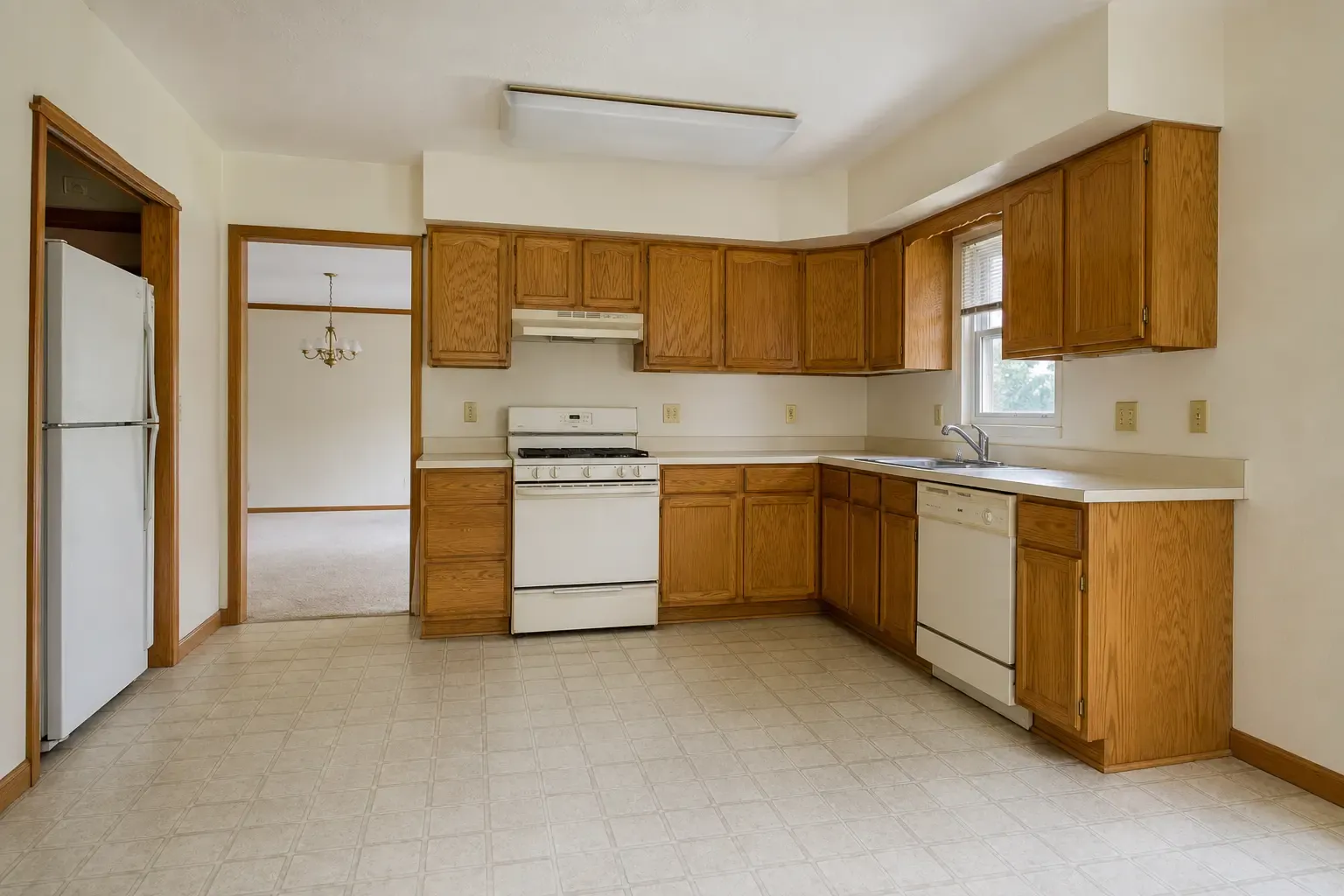
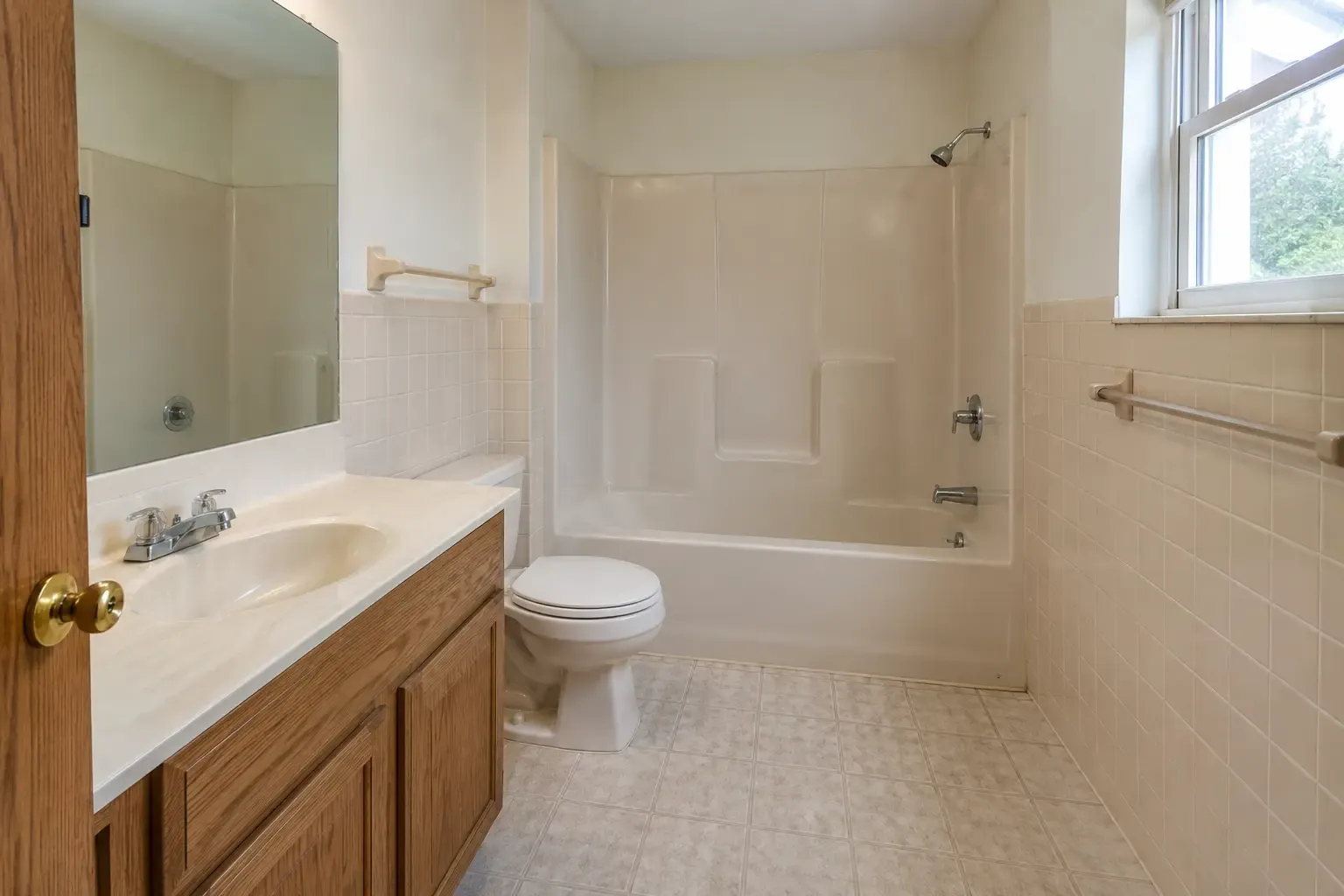
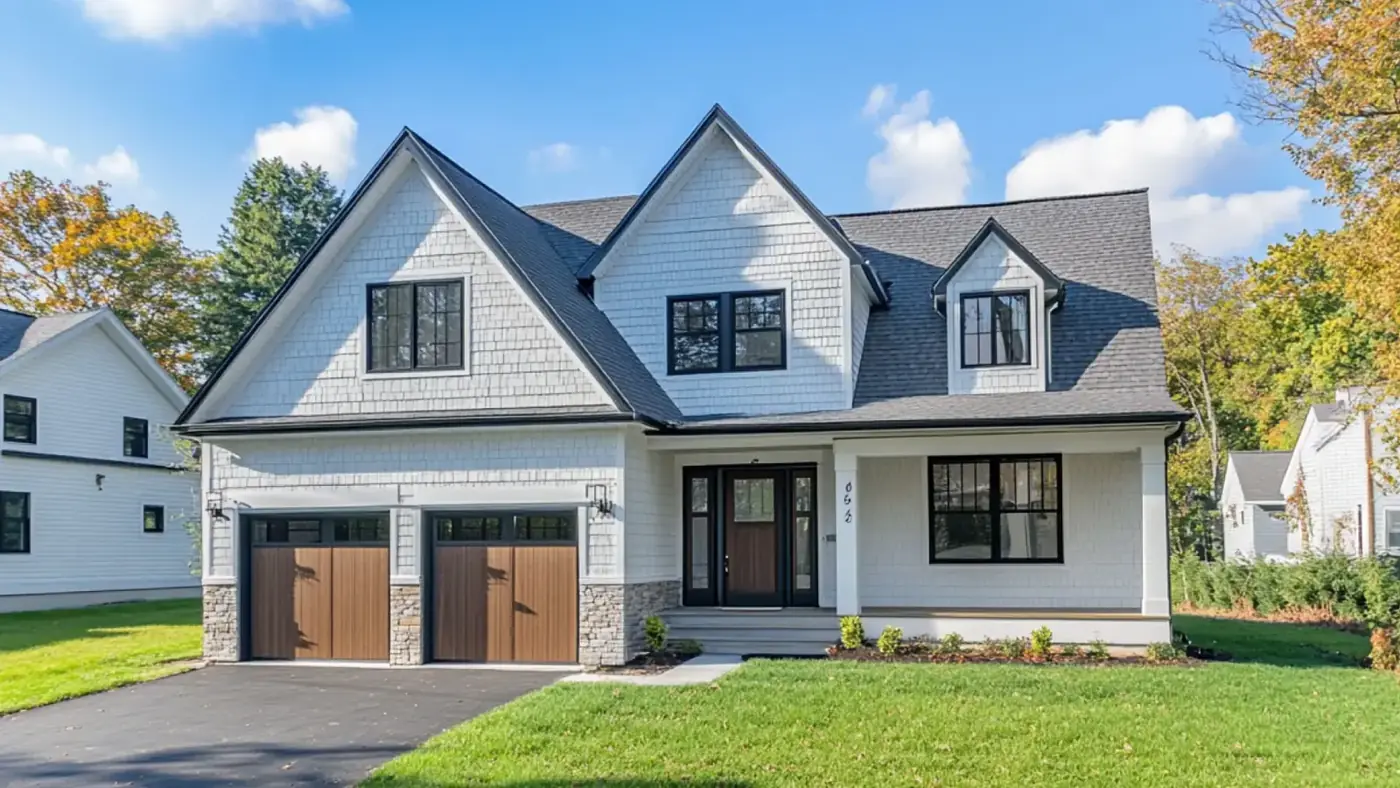
Want your offer faster, or rather not talk to anyone yet? We price the repairs we see and send back a written offer that says plainly whether we'd buy the house ourselves or bring you a buyer, and what that means for your price. No obligation.
 CabinetsFlooring
 Tub & tile
 Floors
 Roof
We may bring in a partner buyer to close. Your price and terms don't change.
Assignment fee questions homeowners ask
What is an assignment fee in real estate?
An assignment fee is what an end buyer pays a wholesaler to take over the wholesaler’s purchase contract on a house. The end buyer then closes with the seller at the original contract price, and the wholesaler is paid the fee, usually at closing.
Who pays the assignment fee?
The end buyer pays the assignment fee, on top of the seller’s contract price. The seller receives the full contract price, less normal seller costs. The fee is still part of what the end buyer decided they could pay for the house.
How do real estate wholesalers get paid?
Real estate wholesalers get paid either through an assignment fee from the end buyer, collected at closing, or through the price difference in a double close, where they buy and resell the house the same day. They are paid only if the deal closes.
How much do wholesalers make per deal?
How much wholesalers make per deal varies widely. No law sets a fee, and no regulator we checked publishes typical figures. The fee depends on the gap between your contract price and what an end buyer will pay. Ask for the number on your deal.
Is the assignment fee on the closing statement?
The assignment fee is written in the assignment agreement and is usually paid through the closing, though it may appear on the buyer’s paperwork rather than the seller’s. Ask the closing attorney or title company for the signed assignment. In a double close, the wholesaler’s profit doesn’t appear on your paperwork.
Can I ask for part of the assignment fee?
Yes, you can ask for part of the assignment fee, or for a higher price, a fee cap or a no-assignment clause. It is all negotiable contract terms. The wholesaler may refuse, but having your attorney propose the clause is legal and common.
Is an assignment fee legal?
Yes, an assignment fee is legal in every state we checked. Many states regulate how wholesaling is done, with licenses, registrations or written disclosures, but none we found bans or caps assignment fees as of October 2026.
Do I pay taxes on the assignment fee?
No, the seller doesn’t receive the assignment fee, so it isn’t the seller’s income. The wholesaler is paid the fee. Your own taxes and transfer taxes are based on your sale. Ask your tax adviser about your situation.
What is the 70% rule in wholesaling?
The 70% rule is a rule of thumb some investors use: they pay up to about 70% of a house’s value after repairs, minus the repair cost. It is not a law or a standard. The wholesaler’s fee has to fit inside that number.
Does Connecticut limit assignment fees?
No, Connecticut doesn’t cap assignment fees. Since July 1, 2026, it requires wholesalers to register with DCP and give sellers a disclosure report that says the wholesaler may profit through an assignment fee, plus three business days to cancel (CGS 20-329eee and 20-329ccc).
Why would an end buyer pay a fee instead of finding the house themselves?
An end buyer pays a fee because finding the right house, reaching the owner and negotiating a contract takes time and money. Many investors would rather pay a wholesaler for a deal that fits their criteria than do that work themselves.
Related wholesaling guides
- Real estate wholesaling: the full seller’s guide
- Double closing: what it means for the seller
- What “and/or assigns” means in your contract
- Why cash offers are so low: the investor math
- Wholesaling laws by state
- Selling a house to a wholesaler in Connecticut
Want to see what your house would bring? Get your written offer, or call Jerryll at (203) 529-4712. This page is general information, not legal or tax advice.
Sources
- Connecticut General Statutes chapter 392a, §§ 20-329aaa to 20-329hhh (disclosure report text in § 20-329eee).
- Connecticut DCP: real estate wholesaling.
- Alabama SB 228 (2023), enrolled.
- Delaware SB 201 (2026), bill page and synopsis.
- North Dakota Century Code § 43-23-24.
- Oklahoma SB 1075 (2025), enrolled.
- Pennsylvania Act 52 of 2024 (SB 1173).
- Nebraska Real Estate Commission, Policy and Interpretation No. 42.
- Tennessee Public Chapter 72 (2025).
- Ohio Revised Code 5301.95 (assignments and novations).
- Kansas Real Estate Commission bulletin on the Attorney General’s wholesaling lawsuit (April 2026).
Who wrote this
Jerryll Noorden
Jerryll has bought and sold Connecticut houses since 2016 and has sat at more closing tables than he can count, on both sides. Before real estate he was a robotics scientist at NASA, IHMC and IIT. He wrote this guide because the national sites that rank for it skip the Connecticut rules that cost sellers money. When listing or selling it yourself would get you more than a cash offer, he says so.
This guide explains Connecticut rules in plain English. It is not legal or tax advice. Laws change; for your sale, talk to a Connecticut real estate attorney and a tax professional.
